
How To Insulate An Rv For Winter
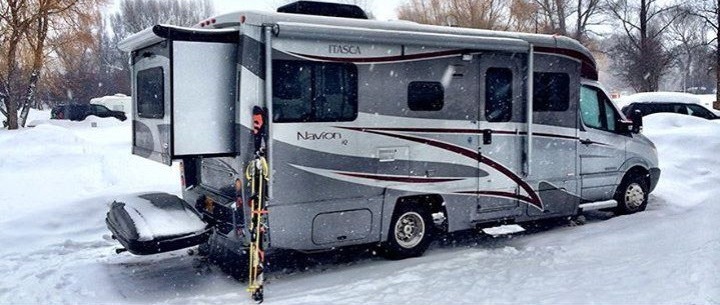
Ah, winter! The season of cozy sweaters, hot cocoa, and, if you're an RV enthusiast, the ultimate test of your rig's ability to keep you toasty. But don't let the thought of frosty mornings send shivers down your spine. With a little savvy prep, you can transform your mobile sanctuary into a snug haven, even when Jack Frost comes knocking. Think of it as giving your RV a warm hug, Nordic style – a dash of hygge on wheels!
Insulating your RV for winter isn't just about avoiding goosebumps; it's about protecting your investment, saving on heating costs, and, frankly, making your winter adventures genuinely enjoyable. No one wants to wake up to frozen pipes or a floor so cold it feels like you're walking on an iceberg. So, let's dive into some practical, easy-going ways to keep the chill out and the good times rolling.
Window Wonderland: Sealing the Gaps
Windows are often the biggest culprits when it comes to heat loss. They're beautiful for scenic views, but less so for keeping warmth in. The good news? There are super simple fixes!
Must Read
First up, Reflectix insulation. This shiny, bubble-wrap-like material is a game-changer. Cut it to fit each window, secure it with Velcro, and watch the magic happen. It reflects heat back into your RV and cold out. It’s like giving your windows tiny, reflective space blankets!
Next, consider thermal curtains or blinds. These thicker drapes add an extra layer of insulation. Think of them as tiny duvets for your windows. Even a simple duvet or thick blanket hung over your regular curtains can make a surprising difference. Pro tip: For an extra airtight seal, use a caulk rope or removable weatherstripping around window frames – it’s easy to apply and remove later.
Door Duty: Blocking Those Sneaky Drafts
Your RV's main door and any emergency exits can be sneaky sources of cold air. They might not look drafty, but trust us, cold air is a master of disguise.

Grab some weatherstripping tape and apply it around the door frames. This creates a tighter seal, blocking those micro-drafts. For the bottom of the door, a simple draft stopper (you can find cute fabric ones or make your own with a rolled-up towel) works wonders. Remember those old-school draft snakes? They’re back, baby, and just as effective!
Underneath it All: Skirting & Protecting Your Undercarriage
This is where things get serious for extreme cold. The underside of your RV is highly exposed, leaving your plumbing and tanks vulnerable.
An RV skirt is your best friend here. It creates an insulated barrier around the base of your RV, trapping warmer air underneath and significantly reducing heat loss from the floor and protecting your pipes from freezing. You can buy custom-fit skirts, or if you're feeling handy, create a DIY version using heavy tarps, plywood, or even rigid foam insulation. Just imagine your RV wearing a cozy, puffy jacket around its waist!

While you're down there, insulate any exposed water hoses and pipes with heat tape and foam insulation sleeves. A burst pipe can turn your winter wonderland into a watery nightmare faster than you can say "ice pop."
Inside Out: Floor, Vents & Storage
Don't forget the small but mighty details inside your RV:
Floors: Lay down rugs or foam interlocking mats. They add a surprising amount of insulation and make walking around barefoot much more pleasant. Think of it as creating a soft, warm cloud for your feet.
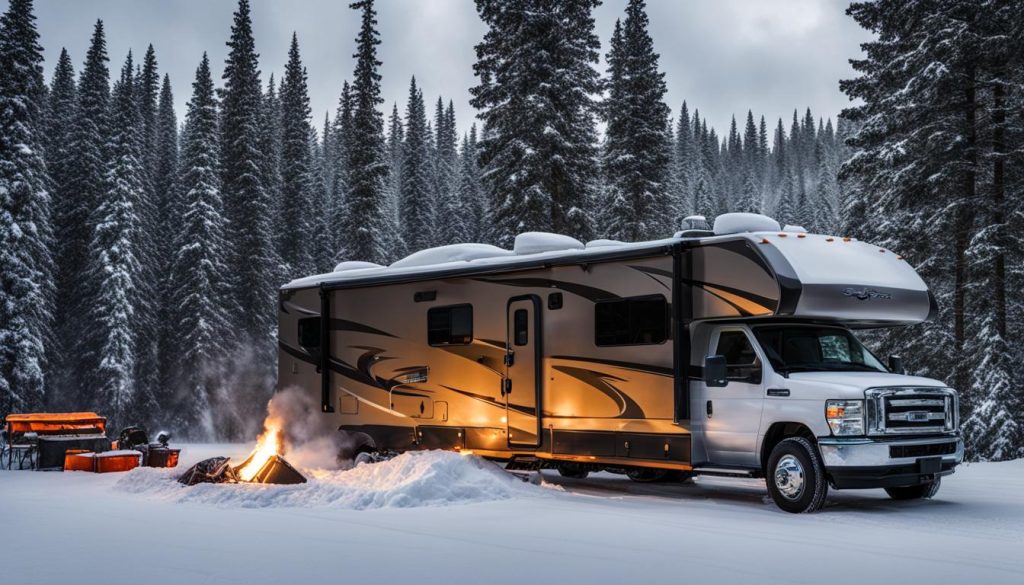
Winterize Your RV: How to Insulate for Cozy Living Vents & Skylights: These are often thin and allow heat to escape upwards. Purchase or make insulated covers for roof vents and skylights. Reflectix works great here too!
Cabinets & Storage Bays: Sometimes, cold air can seep in through uninsulated storage compartments. Check these areas and, if possible, add a layer of rigid foam insulation to the inner walls of the bays.
Bonus Warmth Wisdom & Reflection
A few extra tips for ultimate coziness:
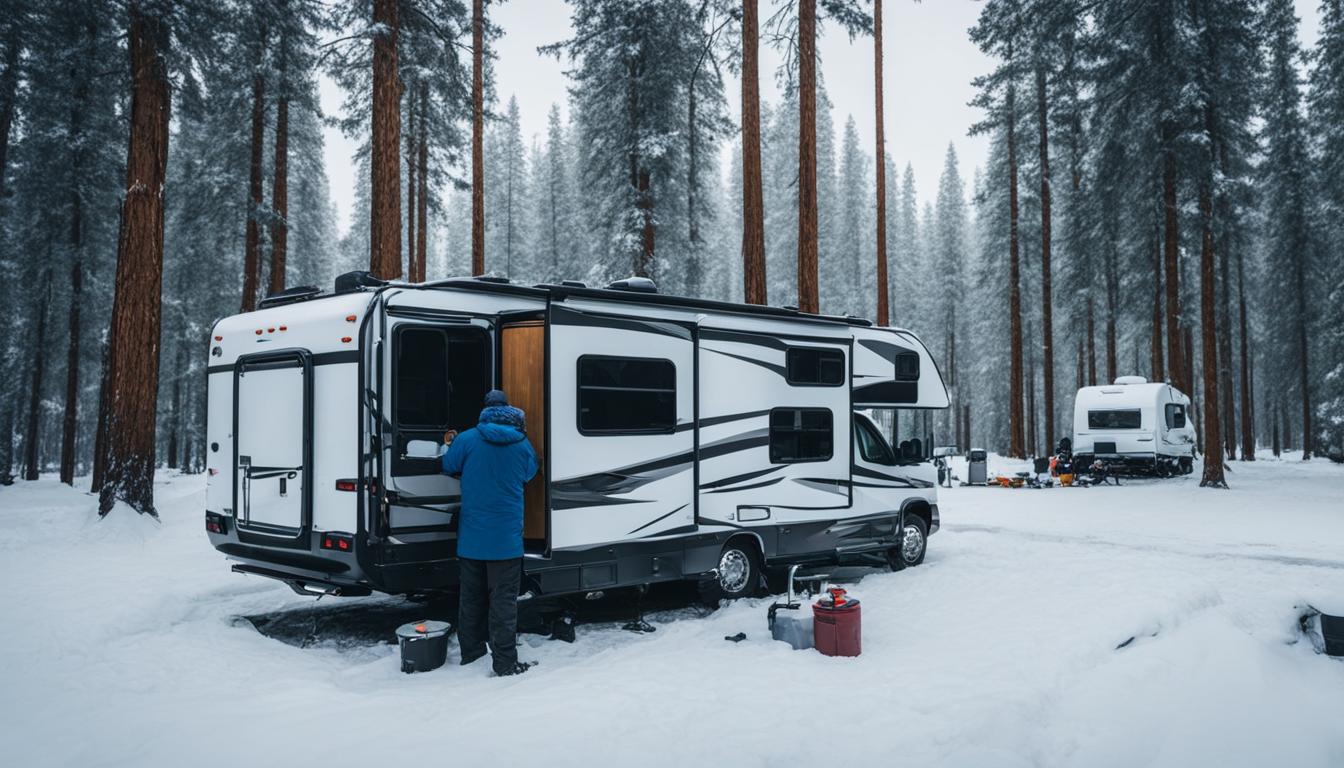
Dehumidifiers: Winter air can surprisingly create a lot of condensation inside. A small dehumidifier will keep moisture in check, preventing mold and making the air feel warmer.
Propane Power: Keep an eye on your propane levels. Heating uses a lot, and running out in the middle of a frosty night is no fun. Consider a propane tank heater blanket for extreme cold.
"Thermal Mass" Trick: Fill a few plastic jugs with hot water before bed. Place them strategically in cold spots (like by your feet or near pipes) for a radiating heat source that costs nothing but a little water heating.
Insulating your RV for winter is more than just a chore; it's an act of self-care for your space and your spirit. Just like preparing your home for a cozy winter, making your RV snug allows you to relax and truly enjoy the season's unique beauty, whether you're parked by a snowy mountain or escaping to a milder climate. It reminds us that often, a little bit of mindful preparation goes a long way in creating comfort, peace, and warmth in our lives, no matter where the road takes us.