How To Install Solar Panel On Rv

Ah, the open road! The call of the wild, the smell of campfire smoke, and the unparalleled freedom of your RV adventure. For many, hitting the road isn't just a vacation; it's a lifestyle, a quest for new horizons, and a chance to truly disconnect… or rather, reconnect with nature without actually disconnecting from your creature comforts. And what's the secret sauce to making those extended off-grid escapades truly magical? You guessed it: solar power on your RV!
Picture this: waking up to the gentle sounds of the forest, brewing your morning coffee, charging your phone, and perhaps even running a fan on a balmy afternoon, all without the noisy rumble of a generator or the constant hunt for shore power. That’s the beauty of RV solar. It provides energy independence, allowing you to roam further, stay longer, and enjoy the peace and quiet of nature without compromise. It’s like having your own personal, silent power station wherever you park, transforming your RV from a mere vehicle into a truly self-sufficient mobile oasis.
This fantastic innovation isn't just for hardcore boondockers anymore. From powering essential items like your RV's lights, water pump, and refrigerator to keeping your laptops and camera batteries topped up for remote work or capturing breathtaking memories, solar panels make life on the road incredibly convenient. Even if you frequent campgrounds with hookups, having solar as a backup or supplemental source means you're always ready for an unexpected detour or a quick overnight stop in a scenic spot where electricity isn't available. It empowers you to truly embrace the "go anywhere, stay anywhere" ethos of RVing.
Must Read
Ready to unlock this next level of RV freedom? Installing solar panels on your RV might seem daunting, but with a few practical tips, you can enjoy it more effectively and safely. First things first: plan your power needs. Before buying anything, list all the appliances you want to run and for how long. This helps determine the right size (wattage) of panels, battery bank capacity, and inverter you’ll need. Don't underestimate this step; it's the foundation of a successful system!

Next, consider panel placement. The roof of your RV is the obvious choice, but try to avoid areas that might be shaded by AC units or vents. Think about portability too; some systems include removable panels you can angle towards the sun. When it comes to mounting, security is paramount. Use sturdy mounts that are properly sealed to prevent leaks. Nobody wants a leaky roof after a DIY project!
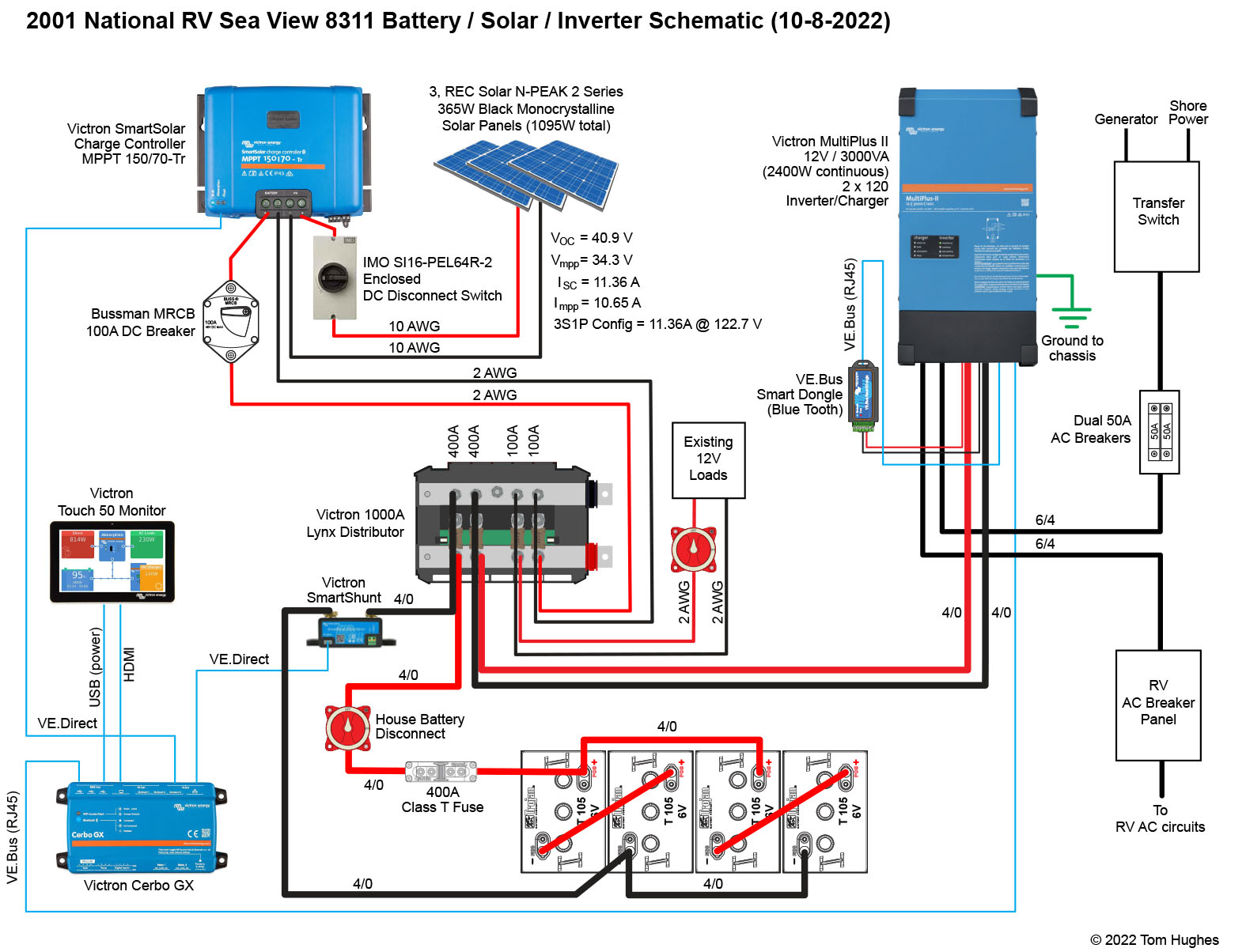
Wiring can seem intimidating, but focus on safety. Always use the correct gauge wire for your system to prevent overheating, and incorporate fuses or circuit breakers. Most RV solar systems involve connecting panels to a charge controller, which then feeds power to your batteries, and an inverter converts that battery power into usable AC electricity for your outlets. If you're unsure, consulting a professional or doing thorough research on wiring diagrams is highly recommended. Finally, once everything's installed, test your system thoroughly. Check all connections, ensure the charge controller is working correctly, and watch those batteries charge! With a little planning and careful execution, you'll be harnessing the sun's power, enjoying quieter, longer, and more adventurous RV trips in no time. Happy trails!

![How to Install a Solar Panel on an RV: A Step-By-Step Guide [Upd. 2021]](https://houseandbeyond.org/wp-content/uploads/2021/02/How-to-Install-Solar-Panel-on-RV-main.jpg)