
How To Identify Gas Leak At Home
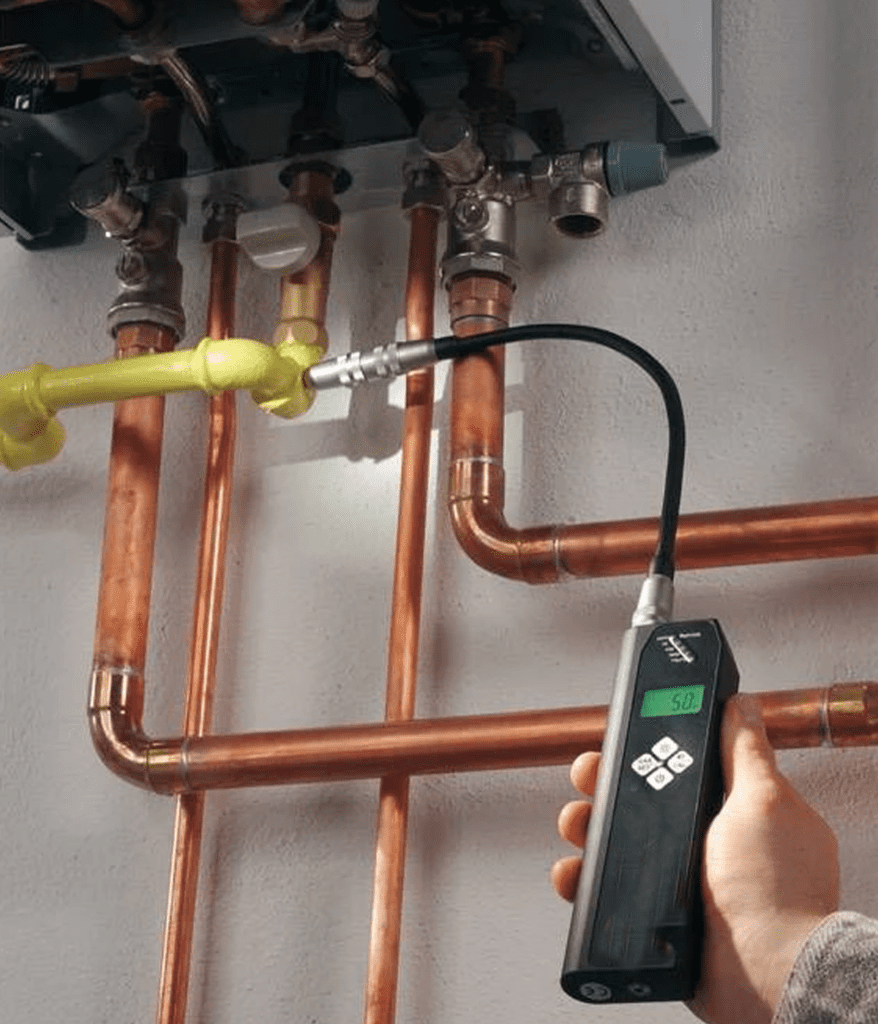
Hey there, friend! Pull up a chair, grab a coffee, or whatever your preferred beverage is. We need to chat about something that’s not exactly fun, but it is super important for keeping your home, well, home-y and safe: how to identify a gas leak. It sounds scary, right? Like something out of a movie? But honestly, knowing what to look (and smell, and hear!) for can make all the difference. Think of me as your friendly, slightly-too-caffeinated guide to not blowing up your kitchen. Kidding! Mostly. 😉
👃 The Nose Knows (Usually!)
Okay, let’s start with the most obvious one, because honestly, it's usually the first clue. You know that distinct, pungent smell? The one that screams "rotten eggs" or "sulfur" or "something died in here"? Yeah, that’s your first and best alert system. Natural gas itself is actually odorless, which is a bit of a sneaky move by nature, right? But utility companies are smart cookies! They add a chemical called mercaptan to give it that unmistakable stench. It's like a superhero alarm system for your nose.
If you catch a whiff of that funky odor, even if it's faint, your internal alarm bells should be ringing. Don't second-guess yourself! "Did I leave something in the fridge too long?" probably isn't the right question to ask first. Go with your gut (or rather, your nose!).
Must Read
👀 The Eyes Have It (Sometimes!)
While your nose is the MVP, your eyes can sometimes catch a few subtle clues. Think of it like being a detective, but instead of a magnifying glass, you've just got your eyeballs. What are we looking for?
- Flickering or dying pilot lights: If you've got an older stove, water heater, or furnace with a pilot light, and it's looking weaker than usual or keeps going out, that could be a sign of a gas supply issue, which could be related to a leak.
- A mysterious haze: Is there a weird, hazy cloud near a gas appliance? Not just dust bunnies, but an actual, unexplainable mist? That’s a definite red flag.
- Bubbles in wet areas: This one's more for outside your house, but if you see bubbles in puddles, wet dirt, or even a stream near your gas line, it could mean gas is escaping from an underground pipe.
- Dying plants: Again, an outdoor one, but if the plants or grass directly over a gas line suddenly look sad, discolored, or just plain dead for no apparent reason, gas could be leaking and harming the vegetation. Poor little guys!
These visual cues might be a bit more subtle, but hey, every clue helps, right?
👂 The Ears Don't Lie!
Your ears are next up in our leak detection squad. Sometimes, a gas leak can actually be heard! What kind of sounds are we talking about? Think about:
- A hissing sound.
- A whistling sound.
- A general rushing noise.
If you're near a gas line or an appliance and hear something that sounds like air (or gas!) escaping, that's a major sign. It could be subtle, like a whisper, or quite loud if it’s a bigger leak. It’s definitely not your house just "settling," unless your house sounds like a leaky tire.

🤢 Your Body's Got Feelings Too!
Sometimes, a gas leak might manifest through how you (and anyone else in the house) are feeling. Natural gas itself isn't toxic in the same way carbon monoxide is, but a significant leak can displace oxygen, leading to some nasty symptoms. Plus, incomplete combustion caused by a leak can lead to CO production. So, if you're experiencing:
- Headaches
- Dizziness or lightheadedness
- Nausea or vomiting
- Fatigue or drowsiness
- Difficulty breathing
- Irritation of the eyes, nose, or throat
And these symptoms suddenly appear when you’re home, but disappear when you leave, it’s time to connect the dots. Especially if multiple people or pets are feeling cruddy for no obvious reason. Your body is a pretty good alarm system, too!
🧼 The DIY Bubble Test (Use with Caution!)
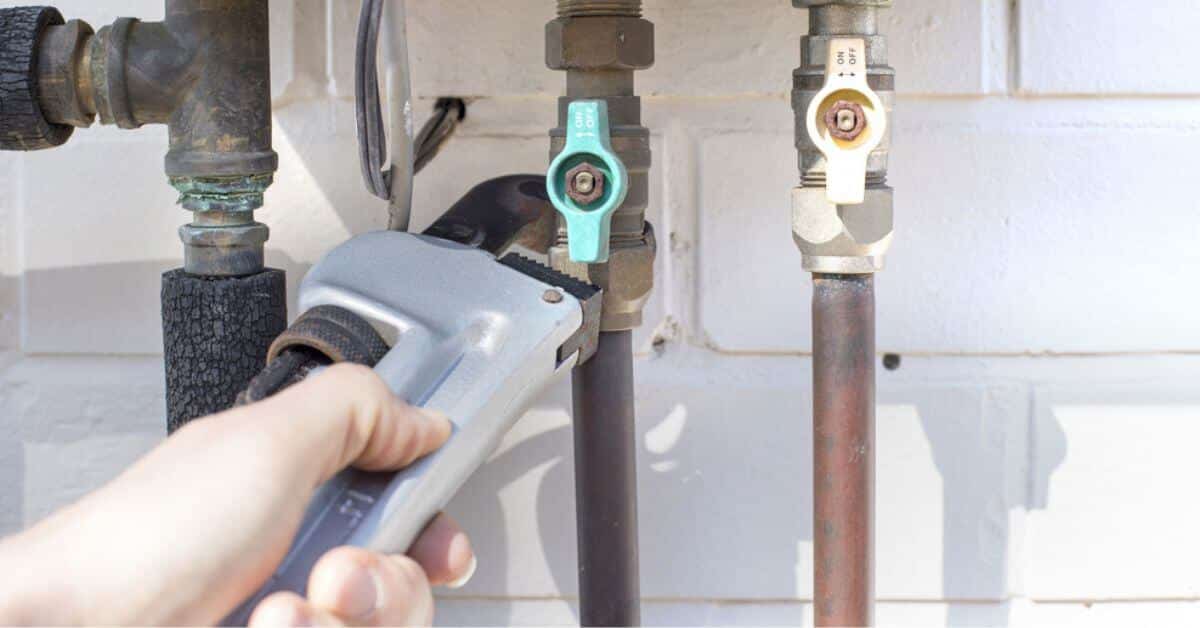
Okay, this is for the curious cats, but with a giant asterisk of caution. If you suspect a very small, non-obvious leak (like, you don't smell a super strong odor, but something feels "off" near a connection), you can try the soap and water test. Think of it as a DIY science experiment, but for safety!
Mix a few drops of dish soap with water in a bowl. Then, using a sponge or brush, apply the soapy solution to suspected leak areas: pipe connections, valves, or fittings. If you see bubbles forming and expanding, congratulations, detective! You've found a leak. Just remember: DO NOT use an open flame to check for leaks. Ever. Seriously. That's a movie scene you don't want to recreate.
🚨 What To Do If You Suspect A Leak (The Important Part!)
Alright, so you’ve used your super senses and identified a potential leak. What’s the game plan? Don't panic, but do act fast!
- Get everyone out, immediately: That means people, pets, plants, whatever. Your furry friends count!
- Leave doors and windows open (if it's safe to do so on your way out): This helps air things out, but don't delay your exit for it.
- DO NOT operate anything electrical: No light switches, no appliances, no phone calls from inside. A spark could ignite the gas.
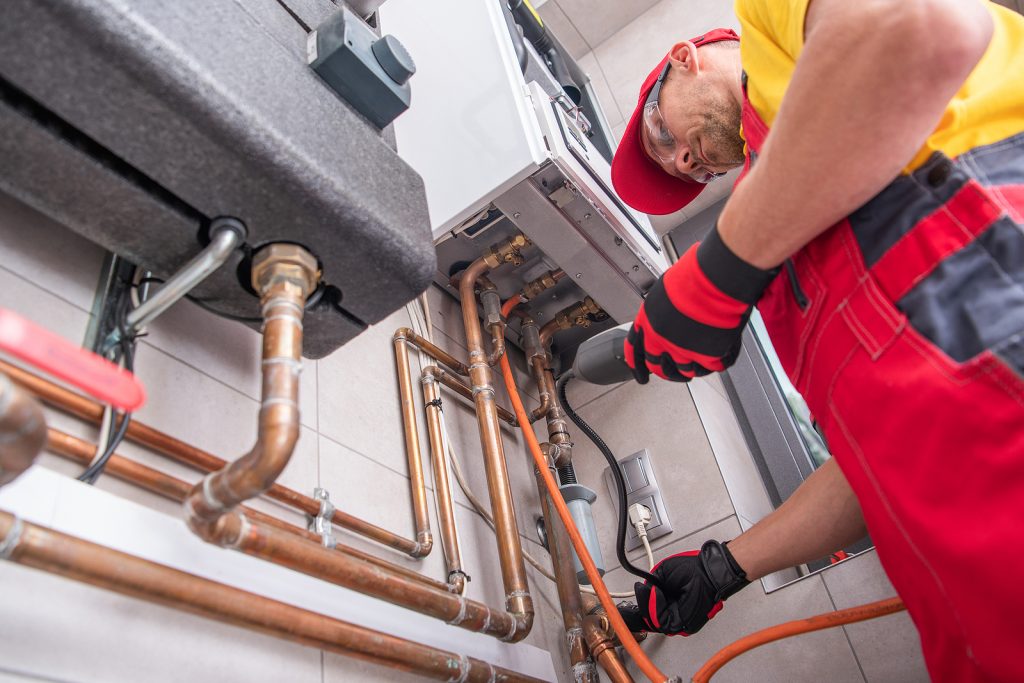
- DO NOT try to find the source or fix it yourself: You’re not a certified gas technician (probably!). This is a job for the pros.
- Call for help from a safe distance: Once you're outside and away from the house, call your gas company's emergency line or 911. They are the experts, and they will get there quickly.
It sounds like a lot, but it boils down to: get out, stay out, and call for help.
Knowing these signs isn’t about living in fear; it’s about being empowered and ready. Regular maintenance on your appliances by a qualified professional is always a good idea too! Stay safe out there, my friend. And let's hope your next coffee chat is about something much less stinky! 😉