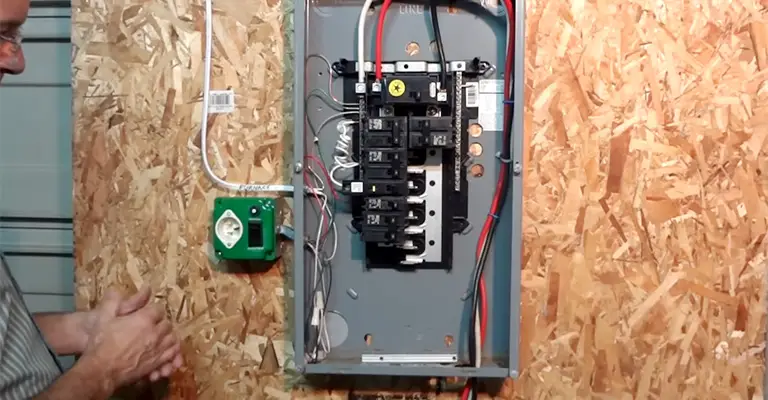
How To Hook Up A Generator To Your Breaker Box
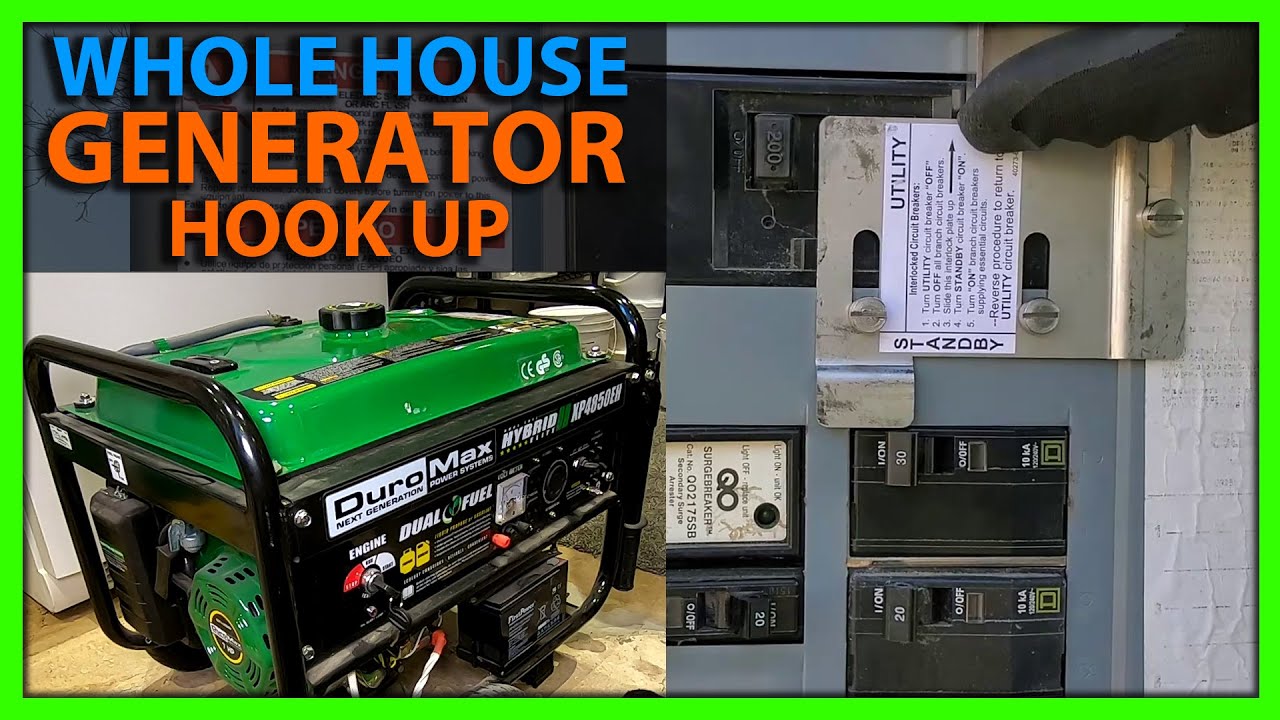
Ever wondered how you can keep the lights on, the fridge humming, and your phone charging when the power grid goes down? It's more than just wishing on a star – it's about having a backup plan, and often, that plan involves a generator. Connecting a generator directly to your home's breaker box allows you to power essential circuits, making a power outage much less of a disruption. It might sound intimidating, but understanding the basics is surprisingly accessible, and knowing how it works can be both empowering and, dare I say, a little fun!
So, what's the purpose of hooking up a generator to your breaker box? Simple: it allows you to safely and efficiently distribute power from the generator throughout your house. Instead of running extension cords all over the place, you can choose specific circuits – like the ones for your refrigerator, furnace, or critical lighting – and power them directly. The main benefit is safety. A proper connection avoids backfeeding power onto the grid, which is incredibly dangerous for utility workers. It also provides a more organized and reliable power supply than relying solely on extension cords.
Think about it: in an educational setting, understanding generator connections can be part of a practical skills course, teaching students about electrical safety and energy management. Imagine high school students learning to wire a transfer switch and understanding the importance of load management. In daily life, this knowledge can be invaluable. Consider families who live in areas prone to hurricanes or winter storms. Having a generator connected to the breaker box could mean the difference between a comfortable evening and a miserable one. Furthermore, small businesses can use this setup to maintain operations during outages, preventing loss of revenue and ensuring customer service.
Must Read
Now, for some practical tips. First and foremost, never attempt to connect a generator directly to your breaker box without a transfer switch. This is the most important safety rule. A transfer switch isolates your home's electrical system from the grid, preventing dangerous backfeeding. There are two main types: manual and automatic. A manual transfer switch requires you to flip a switch to connect the generator, while an automatic one does it for you when the power goes out. Automatic transfer switches are more convenient, but also more expensive.

Secondly, understand load management. Generators have a limited wattage capacity. Before connecting, make a list of the appliances and circuits you want to power and calculate their total wattage. Don't overload the generator, as this can damage both the generator and your appliances. Start with essential appliances first, and add others as needed.
Here's a simple way to explore this topic further: watch videos online demonstrating the installation of a transfer switch (but don't attempt any electrical work yourself unless you are qualified!). Visit your local hardware store and ask about different types of transfer switches and generators. You can also research local electricians who specialize in generator installations and ask them questions. Remember, safety is paramount. If you're unsure about anything, always consult a qualified electrician. Understanding how to connect a generator to your breaker box empowers you to prepare for emergencies and stay safe during power outages. So, take the time to learn the basics, and you'll be well-equipped to keep the lights on when the grid goes dark.