
How To Heat An Inground Pool

So, you've got this gorgeous inground pool in your backyard, right? It’s sparkling, it’s inviting, it’s… a little on the chilly side unless it’s the absolute peak of summer. Bbrrr! But don't you worry your pretty little head, my friend! Heating your pool doesn't have to be a brain-bending, wallet-draining nightmare. We're going to chat about how to turn that refreshing dip into a luxuriously warm soak, all without needing a degree in thermodynamics. Think of me as your poolside buddy, here to spill the warm beans!
The Sun’s Little Helper: Solar Covers
Let's kick things off with the absolute simplest and often the cheapest option: a solar pool cover. You know those big sheets of bubble wrap? Imagine one giant, super-durable version for your pool!
How it works? Pretty much what it says on the tin. It sits on top of your water, trapping the sun's rays and transferring that warmth directly into the pool. It’s basically like tucking your pool into bed with a really big, blue duvet. Not only does it help heat the water, but it also dramatically reduces evaporation (which means less refilling and fewer chemicals needed – hooray for savings!).
Must Read
Pros: Super affordable, easy to use (just roll it on and off!), environmentally friendly, and saves water and chemicals. Cons: It won't turn your pool into a hot tub, and you do have to remember to put it on and take it off. Plus, it only works when the sun is out, obviously. It’s not magic, just clever!
Harnessing the Sun (Like a Boss!): Dedicated Solar Pool Heaters
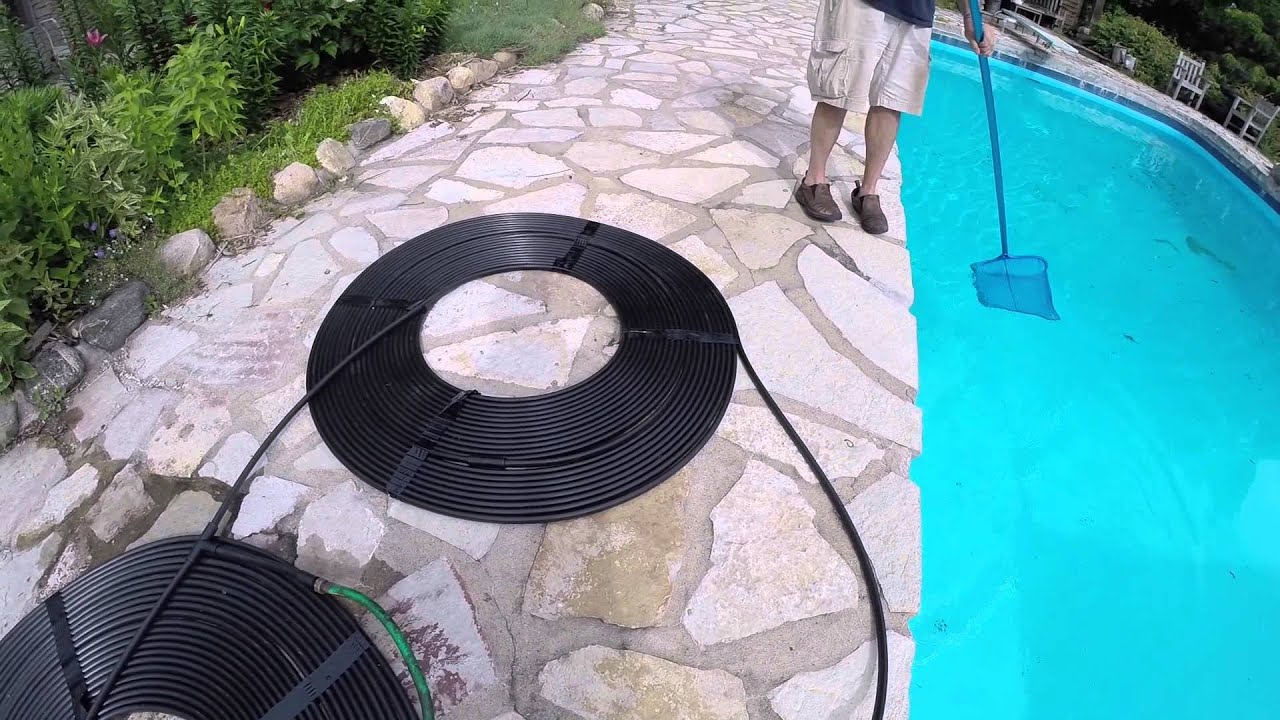
If you're thinking, "I want more sun power!", then a dedicated solar pool heating system might be your jam. This involves installing a series of solar collectors, usually on your roof (where they can catch maximum rays, of course!).
Pool water is pumped up to these collectors, gets heated by the sun, and then flows back into your pool all toasty warm. It's like your roof becomes a tan-loving, pool-warming machine! Once installed, the energy from the sun is essentially free, making it a super eco-friendly and cost-effective option in the long run.
Pros: Virtually zero running costs (hello, free sun!), excellent for the environment, and can significantly extend your swimming season. Cons: The initial installation can be a bit of an investment, and like solar covers, they rely heavily on the sun being present and doing its sunny job. No sun, no significant heat. Bummer.
The Clever Air Whisperer: Heat Pumps
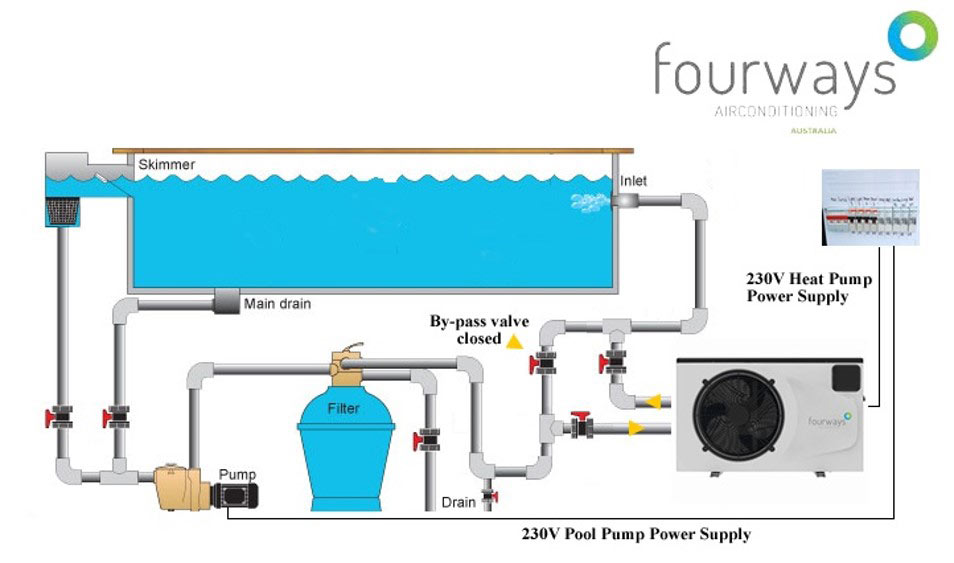
Alright, let's talk about the cool kid on the block – the heat pump. This gadget is a bit of a marvel because it doesn't generate heat; it moves it. It works similarly to how your fridge works, but in reverse (or like an air conditioner in reverse, if you want to get technical). It pulls warmth from the surrounding air, concentrates it, and then transfers it to your pool water.
It's like your pool heater is a super-smart detective, sniffing out warmth from the air even when it doesn't feel blazing hot outside. Because it's just moving heat, rather than creating it from scratch, heat pumps are incredibly energy efficient and have much lower running costs than traditional gas heaters.
Pros: Highly energy efficient, lower running costs than gas, environmentally friendlier than gas, works even on cloudy days (as long as the air isn't freezing). Cons: Higher upfront cost than some other options, and they take a little longer to heat the pool than a gas heater. They also need some ambient air temperature to work effectively, so not ideal for truly cold climates without auxiliary heating.

The Speedy Gonzales: Gas Heaters
If you're the kind of person who wants instant gratification (and who can blame you when a cold pool is staring you down?), then a natural gas or propane heater is your best buddy. These bad boys burn fuel to create heat, and they do it fast.
Want to swim tonight but the pool is Arctic? Flip a switch, and within hours, you could be enjoying a tropical oasis. This is your magic wand for impromptu pool parties or extending your swim season well into those crisp autumn evenings. Just be ready for the utility bill fairy to visit – she loves gas heaters!

Pros: Super fast heating, works independently of ambient air temperature or sunshine, perfect for on-demand warmth. Cons: Highest running costs due to fuel consumption, less environmentally friendly, and requires access to a natural gas line or a propane tank.
A Few Warm Thoughts Before You Dive In
No matter which method you lean towards, remember a few things:
- Your pool's size matters. A bigger pool needs more heating oomph!
- Your local climate plays a huge role. Living in sunny Florida versus chilly Michigan makes a big difference.
- Combining methods can be a winner! A solar cover combined with a heat pump or gas heater can be the ultimate power duo for efficiency and speed.
Heating your inground pool isn't just about making the water warmer; it's about making memories. It's about those extra hours of splashing, those moonlit dips, and the sheer joy of knowing your personal slice of paradise is always ready for you, no matter the weather. So go on, explore your options, crank up the warmth, and get ready to enjoy your pool like never before! Your future self (and your toes) will thank you for it! Happy swimming!