
How To Get Water Spots Off Of Stainless Steel
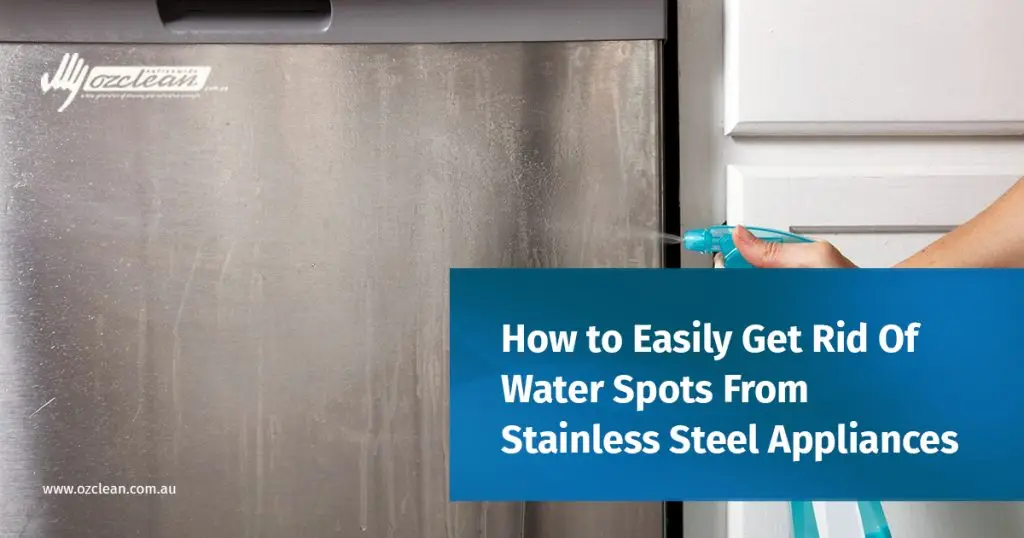
Okay, picture this: I'm hosting a dinner party, feeling all domestic goddess-y, and I pull out my gleaming (or so I thought) stainless steel serving dishes. Only to discover… water spots. Everywhere. Like a tiny, judgmental army of hard water had staged a full-scale invasion. I swear, they seemed to be mocking my Martha Stewart aspirations. Anyone else been there? Don’t lie!
That's when I decided enough was enough! I embarked on a quest – a shiny, stainless steel quest – to find the ultimate solution for banishing those pesky water spots forever. And guess what? I actually found some things that work. (Spoiler alert: it's not magic, but it's pretty darn close.)
Understanding the Enemy: Water Spots
First things first, let's understand what we're dealing with. Water spots, particularly on stainless steel, are usually caused by mineral deposits left behind when water evaporates. Hard water, in particular, is a notorious culprit. It's basically a cocktail of calcium, magnesium, and other minerals – all partying on your appliances.
Must Read
These minerals leave behind a visible residue, creating those annoying spots and streaks. And they can build up over time, making them harder to remove. So, the sooner you tackle them, the better! (Trust me on this one, future you will thank you.)
The Arsenal: Weapons of Water Spot Destruction
Alright, let's get to the good stuff. Here are a few tried-and-true methods for conquering those water spots, starting with the simplest:
1. The Humble Microfiber Cloth:
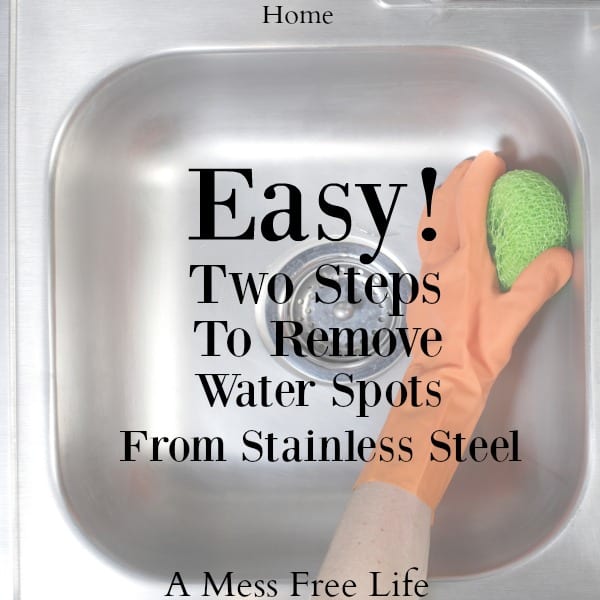
Sometimes, all you need is a good microfiber cloth and a little elbow grease. Dampen the cloth with water and wipe down the stainless steel in the direction of the grain (you know, those faint lines running along the surface). Follow up with a dry microfiber cloth to buff it dry. This works best for fresh water spots. If they've been there a while, you might need something stronger. (Don't underestimate the power of a good microfiber cloth, though! They're basically magic erasers for surfaces.)
2. Vinegar Power:
Vinegar, the all-natural cleaning superhero! Dilute white vinegar with water (a 1:1 ratio is a good starting point). Spray the solution onto the affected area and let it sit for a few minutes. Then, wipe it clean with a microfiber cloth and buff dry. The acidity in vinegar helps to dissolve those mineral deposits. Warning: It's vinegar, so be prepared for the smell. (I personally don't mind it, but some people are not fans. Open a window if you need to!)

3. Baking Soda Paste:
For tougher water spots, try a baking soda paste. Mix baking soda with a little water to form a thick paste. Gently apply the paste to the water spots and let it sit for a few minutes. Then, wipe it away with a damp cloth and buff dry. Be careful not to scrub too hard, as baking soda can be abrasive. Gentle is the key here.
4. Commercial Stainless Steel Cleaners:
If you're dealing with particularly stubborn water spots, you might need to bring in the big guns. There are plenty of commercial stainless steel cleaners available that are specifically designed to remove water spots and other grime. Follow the instructions on the product label carefully. And always test the cleaner in an inconspicuous area first to make sure it doesn't damage the finish. (Better safe than sorry, right?) Also, look for cleaners that specifically state that they are safe on all stainless steel finishes, just in case.

5. Lemon Juice:
Similar to vinegar, lemon juice's acidity makes it a great natural cleaner. Apply lemon juice to the spots, let it sit for a few minutes, then wipe and dry. Again, remember to buff.
Prevention is Key: The Anti-Water Spot Shield
Okay, so you've successfully banished the water spots. Now, how do you prevent them from coming back? Here are a few tips:

* Dry, Dry, Dry: The easiest way to prevent water spots is to dry your stainless steel surfaces immediately after washing them. Use a clean, dry microfiber cloth to wipe away any water. I know it sounds tedious, but it makes a HUGE difference.
* Water Softener: If you have hard water, consider investing in a water softener. This will remove the minerals that cause water spots, not only on your stainless steel but also on your appliances and plumbing fixtures.
* Stainless Steel Polish: Applying a stainless steel polish after cleaning can help to protect the surface and prevent water spots from forming. These polishes often leave a protective layer that repels water and makes it easier to clean in the future.
So, there you have it! My guide to conquering water spots on stainless steel. Armed with these tips and tricks, you can keep your stainless steel looking shiny and new. And who knows, maybe you'll even be able to impress your dinner guests with your spotless serving dishes. (I'm still working on that whole "domestic goddess" thing myself.) Now go forth and banish those water spots! You got this!