
How To Get Ready For A Tsunami

Knowing Your Risk
The first big step to getting ready for a tsunami is understanding if you're in a danger zone. If you live, work, or play near the coast, you absolutely need to find this out. Many coastal towns and cities have maps that clearly show tsunami evacuation zones. These aren't just lines on a map; they tell you where it's safe and where it might not be during an event.
Your local emergency management office or their website is the best place to start. They often have easy-to-read guides and maps specifically for your community. It’s not about fear; it’s about being smart. Knowing your zone gives you power.
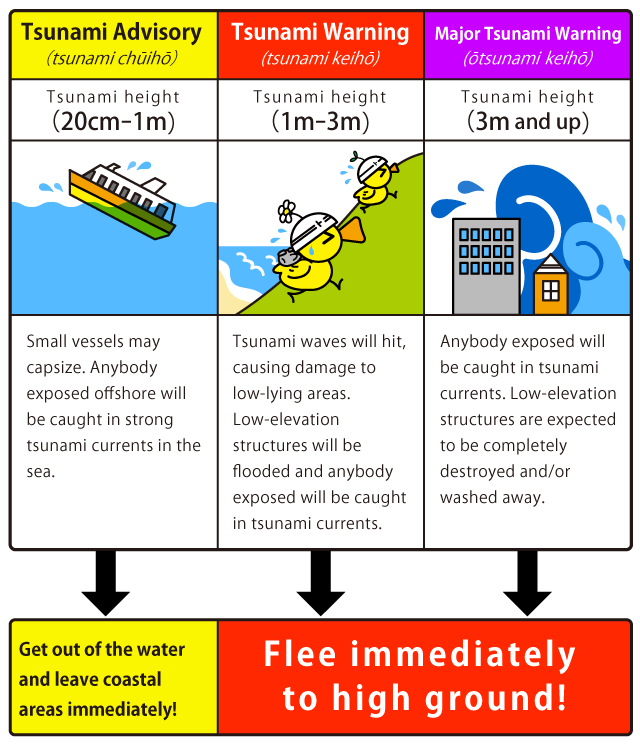
Remember this natural warning: If you are at the coast and feel a strong earthquake, or if the ocean suddenly pulls back unusually far, move to higher ground immediately. Don't wait for an official alert. These are your most critical natural signals.
Your Family Plan
Once you know your risk, the next step is to make a simple plan with everyone in your home. This plan is your family's blueprint for safety. Talk about it together. Where will you meet if you get separated? It’s smart to pick two meeting spots:
- One close to your home, like a neighbor’s house, for smaller, quick emergencies.
- Another further away, perhaps out of your immediate neighborhood, like a friend's house or a community center, for larger evacuations.
Make sure everyone, even the little ones, knows these spots. Write them down and keep them somewhere visible, like on the fridge. Also, figure out your evacuation routes. Know the quickest, safest ways to get to that higher ground. Don't just pick one way; have a few options in mind in case a road is blocked. Practicing these routes, even just once, can make a huge difference.
The Go-Bag: Your Emergency Buddy
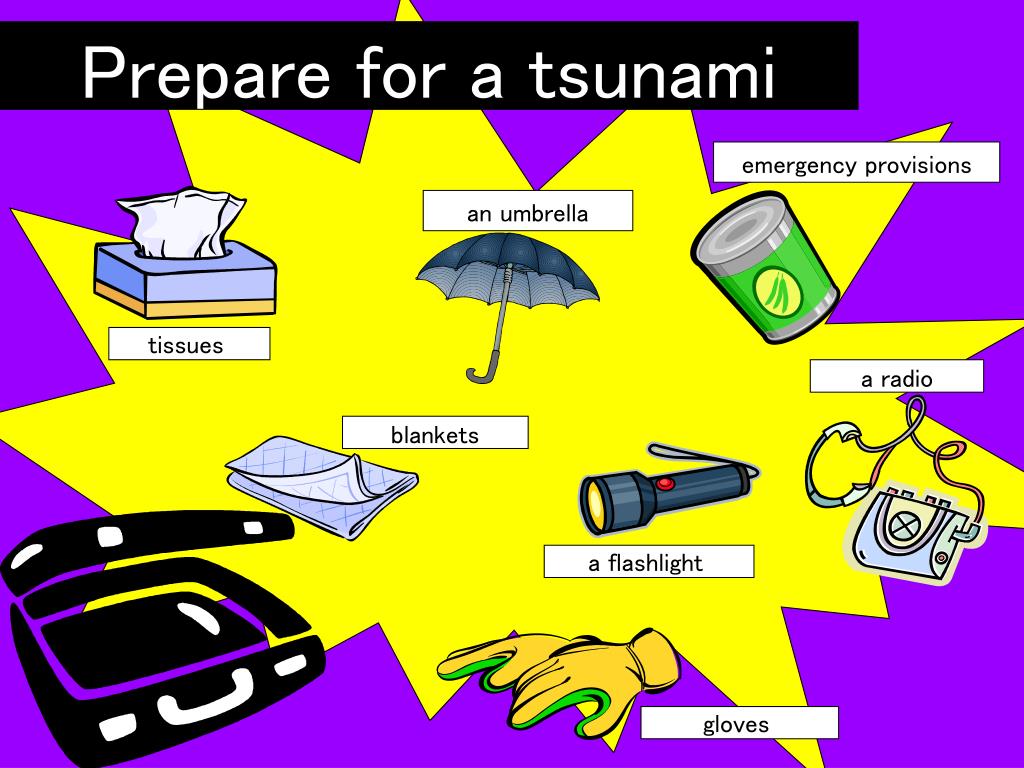
This is your essential kit, often called a "go-bag" or "72-hour kit." It's packed with things you'd need to survive for a few days if you had to leave your home quickly. Think of it as your portable peace of mind. What goes in it?
- Water: One gallon per person per day.
- Food: Non-perishable items like energy bars or canned goods.
- First-aid kit: Bandages, antiseptic wipes, pain relievers.
- Medications: Any prescription drugs you or family members need.
- Flashlight and batteries: Power might go out.
- Whistle: To signal for help.
- Important documents: Copies of IDs, insurance papers, birth certificates, stored in a waterproof bag.
- Cash: ATMs might not work after a disaster.
- Warm blankets or sleeping bags: Nights can get cold.
- A hand-crank or battery-powered radio: To listen for official updates.
Keep your go-bag in a super easy-to-grab spot, like near the front door or in your car. Check it every six months to refresh food, water, and batteries. This simple habit keeps it ready when you need it most.

Stay Connected, Stay Informed
In an emergency, getting accurate information is vital. Sign up for local emergency alerts on your phone. Many communities have systems that send texts or app notifications when there's a threat. These alerts provide official instructions and updates that can guide your actions.
Also, know how you'll communicate with family if cell service is unreliable. Consider designating an out-of-state contact person. If local lines are jammed, an out-of-state number might still work. Everyone in the family can call or text this person to check in. It’s a smart way to keep everyone connected.

Official sources like local radio stations, TV news, and designated government websites are your best bet for reliable information during and after a tsunami threat. Avoid relying on rumors.
Practice Makes Perfect
You wouldn't expect to be good at a sport without practice, right? The same goes for emergency preparedness. Walk your evacuation routes. Make sure everyone knows where the go-bag is. Have a family discussion about the plan at least once a year. The more you talk about it and practice, the less scary and more natural it will feel if a real event happens.
This preparation isn't about dwelling on disaster; it's about building confidence and ensuring your family's safety. It’s empowering to know you’ve taken steps to protect what matters most.
Don't Wait, Prepare Today!
Preparing for a tsunami means taking action now, before any emergency. It's about understanding your risks, creating a smart plan, and having your essential supplies ready. This proactive approach gives you a powerful feeling of control and peace of mind. It’s what makes preparedness so special.
Even small steps, like looking up your evacuation zone or adding a few water bottles to a designated spot, can make a huge difference. Taking these steps doesn't just prepare you; it also inspires others around you. It helps create a stronger, more resilient community. So, why not dive into preparedness today? It's a truly smart move that pays off in safety and confidence for you and your loved ones.