
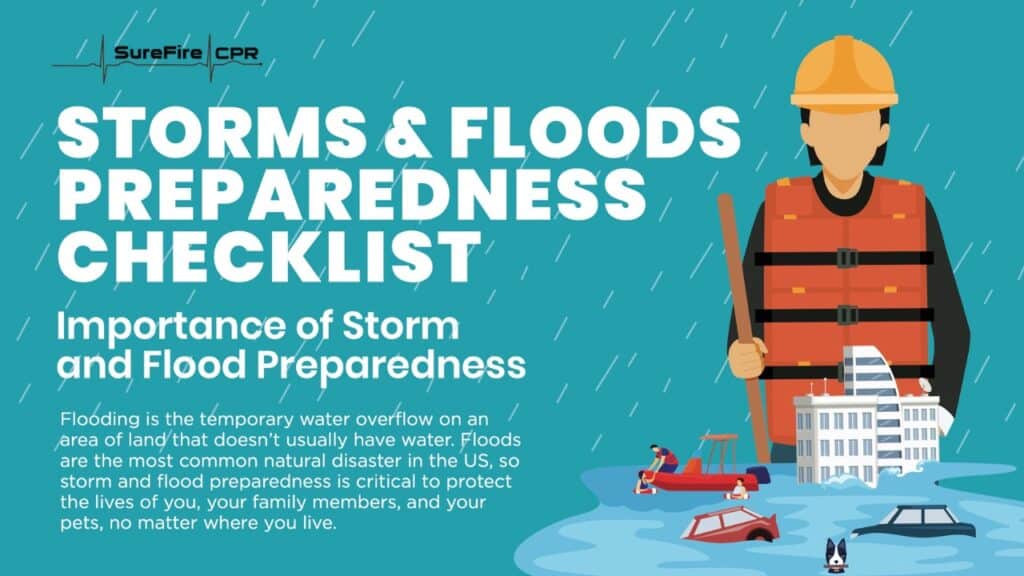
How To Get Ready For A Flood

Alright, settle in, grab your imaginary cuppa, because we're about to chat about something that sounds a bit… damp. You know that feeling when the weather person on TV starts using words like "atmospheric river" or "historic rainfall"? Your immediate thought might be, "Great, my cat's going to judge me even harder when I try to walk them in a tiny raincoat." But then, a more serious thought might creep in: "What if things get a little… splashy?"
Fear not, my friends! Getting ready for a flood isn't about building an ark in your backyard (unless you've always wanted to, no judgment here). It's about being prepared, a little bit clever, and maybe having a few emergency snacks that are definitely not just for emergencies. Think of it less like a looming disaster and more like prepping for the world's most unexpected, watery slumber party. Let's dive in!
The "I'm Not Panicking, I'm Just... Organized" Kit
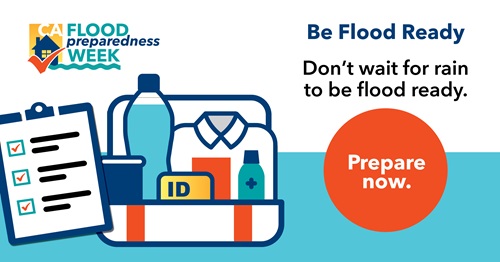
First things first, let's talk about your emergency stash. This isn't a doomsday bunker, it's more like a really well-thought-out picnic basket, but with survival vibes. The key here is shelf-stable and sensible.
Must Read
Water, glorious water! You'll need about one gallon per person per day for drinking and sanitation, for at least three days. And guess what? That includes your furry friends! My dog, Barkley, has an uncanny ability to drink more than a camel in the Sahara, so I factor him in twice. A surprising fact for you: did you know most tap water isn't safe to drink during a flood warning due to potential contamination? So, stock up!
Next, food that doesn't need cooking. Canned goods (with a manual can opener, because nobody wants to pry open chili with a butter knife), energy bars, dried fruit. Pro tip: throw in some comfort food too. A packet of biscuits can do wonders for morale when the outside world is looking a bit like a giant bathtub. And here's a fun one: did you know UHT (ultra-high temperature) milk is shelf-stable and can be a lifesaver for your morning coffee or cereal cravings? Mind. Blown.
Don't forget a first-aid kit. Bandages, antiseptic wipes, any personal medications. Maybe some ibuprofen for when you accidentally bonk your head trying to reach that last can of beans. And because we're optimists, a good book or a deck of cards. Because if you're stuck, you might as well be entertained, right?
Oh, and for when the lights go out – which they probably will – a flashlight (and extra batteries!) is essential. Or, if you're feeling fancy, a hand-crank radio. It's like a tiny, self-powered news station that never needs charging! Plus, it gives you an upper body workout.
Finally, your important documents. Passports, insurance policies, birth certificates. Store them in a waterproof bag or container. Seriously, don't just shove them in a Ziploc you found under the sink. Think mission-critical, not picnic-critical.
Operation: Elevate Everything! (Home Preparedness)
Now, let's talk about your humble abode. If a flood is on the horizon, it's time for some strategic maneuvering. Think of it as a giant game of "the floor is lava," but with water.
First, unplug electronics. Like, everything. The fancy TV, the gaming console, even your smart toaster. Water and electricity are not friends. At all. It's also a good idea to turn off your main power switch if advised by authorities – better safe than sparking!
Next, move valuables to higher ground. I'm talking photo albums, sentimental keepsakes, important legal documents (if they're not already in your kit). Anything you couldn't bear to lose, get it up off the floor. The top shelf of your wardrobe? Perfect. The attic? Even better. Your neighbor's house? Only if they're prepared too!

If you have a basement, consider moving anything important out of it. Yes, even that box of old college textbooks you swore you'd reread someday. They probably wouldn't appreciate a good soak.
Check your drainage around the house. Clear out gutters and downspouts. You don't want a rogue leaf turning into a tiny dam when you need water to flow freely. If you have a sump pump, make sure it's working! Give it a test run. It's like making sure your car starts before a big road trip, but for your basement.
And if sandbags are available and recommended for your area, grab 'em! Shoveling sand can be surprisingly therapeutic, and it's like building a tiny, highly effective moat around your castle. Just make sure you're placing them correctly – usually around doors and low-level windows.
The "Just In Case I Have To Scoot" Plan (Evacuation)
Sometimes, the best preparation is knowing when to leave. If authorities say "evacuate," that means "pack up, buttercup, it's time to go!"
Have an evacuation route planned. And not just the one to the local grocery store. Know multiple ways out of your neighborhood, because roads can become impassable. Discuss a meeting point with family members that's outside the flood zone, in case you get separated.
Prepare a "go-bag" or "grab-and-go" kit. This is a lighter, more portable version of your big emergency kit. Think essentials for 24-48 hours. A change of clothes, some snacks, water, medications, and a copy of those important documents. Don't forget chargers for your phone!
And for pet owners: don't forget Fido (or Whiskers, or Polly!). Have a pet carrier ready, extra food, water bowls, and any necessary medications. Many shelters won't accept pets, so research pet-friendly accommodations or have a friend or family member lined up to take them in.
When The Waters Rise (What To Do)
If the flood hits, remember these golden rules:

Stay informed. Tune into local news or use that fancy hand-crank radio. Don't rely on social media rumors. Stick to official sources.
Never, EVER drive or walk through floodwaters. I repeat, never. You can't tell how deep the water is, or if the road underneath has been washed away. Just six inches of moving water can knock an adult off their feet. A mere foot of water can float most cars. It's not a shortcut, it's a watery trap!
If you're inside and water starts to enter your home, go to the highest level. Not the attic unless it has a way to get out onto the roof – you don't want to get trapped up there.
Look, floods are no joke, but being prepared doesn't have to be terrifying. A little bit of foresight, a dash of common sense, and maybe a few extra bags of chips (for morale, obviously) can make all the difference. Stay safe, stay dry, and if all else fails, remember: you've got this, and you probably have enough canned beans to feed a small army!