
How To Get Internet While Traveling In An Rv
Hitting the open road in an RV is the ultimate freedom – think stunning landscapes, cozy nights under the stars, and the thrill of exploring new places. But let's be honest, sometimes the real freedom comes from being able to stream your favorite show, video call family, or, you know, actually get some work done. That's where the internet comes in! Getting reliable Wi-Fi on the road can feel like a daunting task, but it doesn't have to be. Think of it as unlocking even more possibilities on your adventure.
So, why bother with all this internet wrangling? The purpose is simple: to stay connected and productive while enjoying the RV life. The benefits are huge! Imagine being able to navigate unfamiliar routes with ease using online maps, finding the best local restaurants with online reviews, or even working remotely from a breathtaking campsite. Forget those dreaded trips to the local library parking lot just to check your email. Good internet opens up a world of possibilities while you're on the move.
Now, let’s dive into the fun part: the options! Your first thought might be to rely solely on campground Wi-Fi. While this can work in a pinch, be prepared for potentially slow speeds and spotty connections, especially during peak hours. Think of it as sharing a single straw with a whole bunch of thirsty campers – not ideal!
Must Read
A better option, and often the most reliable, is using your smartphone as a hotspot. Most smartphones allow you to share their cellular data connection with other devices, turning your phone into a mini Wi-Fi router. Check your mobile plan for data limits and potential overage charges. Consider upgrading to a plan with more data or a dedicated mobile hotspot plan if you plan on using the internet heavily. Pro Tip: position your phone near a window or use a signal booster for better reception!

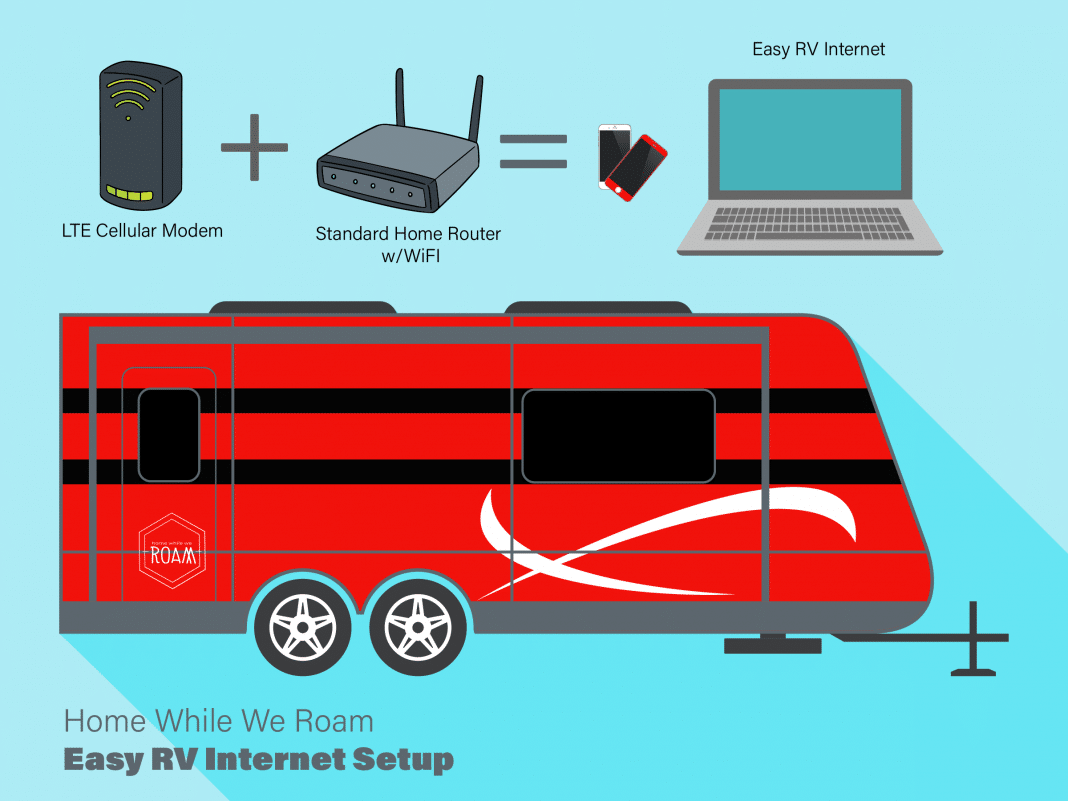
For a more robust and dedicated solution, consider investing in a mobile router. These devices are specifically designed to provide Wi-Fi in your RV. They often have stronger antennas and can support multiple devices simultaneously. You'll need to purchase a data plan from a cellular provider (like Verizon, AT&T, or T-Mobile) that's compatible with the router. This is a great option if you need reliable internet for work, streaming, or if you have multiple people using the internet at the same time.
Another increasingly popular option is satellite internet. While potentially more expensive upfront, satellite internet can provide coverage in even the most remote locations. This is perfect for adventurers who frequently venture off the beaten path where cellular service is non-existent. Starlink's RV option is becoming a favorite for those needing the ultimate in remote connectivity, allowing you to work and play anywhere!

Finally, remember to be mindful of your data usage! Streaming video can eat through data quickly. Download movies and shows ahead of time when you have access to Wi-Fi. Consider using data-saving settings on your devices and apps. And, most importantly, don't forget to disconnect and enjoy the real world around you! After all, you’re out there to explore and experience new things. Think of internet access as a tool to enhance your journey, not to replace it.
So, there you have it! With a little planning and the right equipment, you can stay connected and enjoy all the benefits of the internet while embracing the freedom of RV travel. Happy travels, and happy surfing!

