How To Generate Electricity From Wind Turbines
Let’s face it, wind turbines are having a moment! Beyond the sprawling wind farms that dot our landscapes, these elegant structures have captured the imagination of artists, hobbyists, and curious minds alike. There's a certain romance to harnessing the invisible power of the wind, and building your own (even a miniature version) is surprisingly accessible and incredibly rewarding.
Why should you consider diving into the world of wind turbine construction? For artists, a small wind turbine can be a stunning kinetic sculpture – a testament to sustainable energy beautifully realized. Hobbyists will relish the engineering challenge, tinkering with blades, generators, and gear ratios to optimize performance. And for the casual learner, building a simple turbine is a fantastic hands-on introduction to physics and renewable energy principles. It's a tangible way to understand how electricity is made, demystifying a complex process.
The possibilities are truly limitless. Think steampunk-inspired turbines with intricate brass detailing, abstract art pieces incorporating recycled materials, or even functional garden ornaments that power LED lights. Subjects can range from minimalist designs that emphasize clean lines to whimsical creations resembling flowers or animals. Variations abound, from vertical-axis turbines (VAWTs), which don't need to be pointed into the wind, to horizontal-axis turbines (HAWTs), the classic propeller-style design. Some even incorporate solar panels for a hybrid approach! Imagine a miniature Dutch windmill, but instead of grinding grain, it's generating a small amount of power.
Must Read
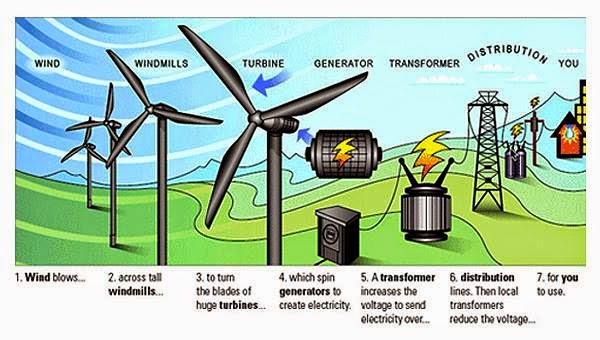
Ready to give it a whirl (pun intended!)? Building a small wind turbine at home is easier than you might think. Start with readily available materials: PVC pipes for the tower, a small DC motor or alternator (easily salvaged from old electronics) for the generator, and plastic bottles or thin wood for the blades. There are countless DIY guides and tutorials online, providing step-by-step instructions. Remember to prioritize safety: work in a well-ventilated area, wear appropriate safety gear, and be cautious when working with electricity. You can start by testing your design by hooking it up to a multimeter to check the output voltage, and later, using it to power a small LED light.

Here are a few key tips for success:
- Blade design is crucial: Experiment with different shapes and angles to find what works best for your location and wind conditions.
- Gear ratios matter: A well-chosen gear ratio can significantly increase the output of your generator.
- Don't be afraid to iterate: Building a wind turbine is an iterative process. Experiment, test, and refine your design based on the results you get.
Ultimately, building a wind turbine, whether it's a complex engineering feat or a simple artistic expression, is incredibly enjoyable because it combines creativity, problem-solving, and a tangible connection to the natural world. It’s about transforming an invisible force into something useful and beautiful, a rewarding journey that sparks curiosity and inspires a deeper appreciation for sustainable energy. So go ahead, catch the wind and see where it takes you!