
How To Generate Electricity From Water At Home

Ever thought about making your own electricity? Forget waiting for the power company! Imagine harnessing the power of water, right in your home. It's more fun than you think.
Miniature Hydropower: The Fun Kind!
Ready to get your hands wet? We’re diving into DIY hydropower. No, you don't need a giant dam. Think smaller, more manageable, and way more entertaining.
Setting the Stage
First, gather your gear! You'll need a water source, like a hose or even a small stream. Plus, you'll need something to spin – a small turbine or water wheel is ideal.
Must Read
Then, find a generator. It’s the magical device that transforms spinning into electricity. Don't worry, they come in all sizes and price ranges.
Think about where everything will go. You want a setup that’s both functional and safe. A little planning goes a long way.
The Water Wheel Whirl
Let's talk water wheels. These classic devices are simple and charming. Plus, they're relatively easy to build yourself.
Imagine crafting your own wooden wheel. Each bucket catching water and turning, turning, turning. It's mesmerizing to watch.
Connect your water wheel to a small generator. As the wheel spins, it powers the generator, making electricity. Boom! Instant power (well, maybe not instant, but close!).
Turbine Time!
Want something a bit more modern? Enter the turbine. Turbines are designed for efficiency. They can generate more power from the same amount of water.
There are different types of turbines. Some are better suited for low-head situations (like a stream). Others thrive with higher water pressure (like a hose).
Consider a Pelton wheel turbine for higher pressure. Or perhaps a Francis turbine for a more moderate flow. Research is your friend!
The Generator's Gig
The generator is the unsung hero of this whole operation. It's the device that converts mechanical energy into electrical energy. Pretty neat, right?
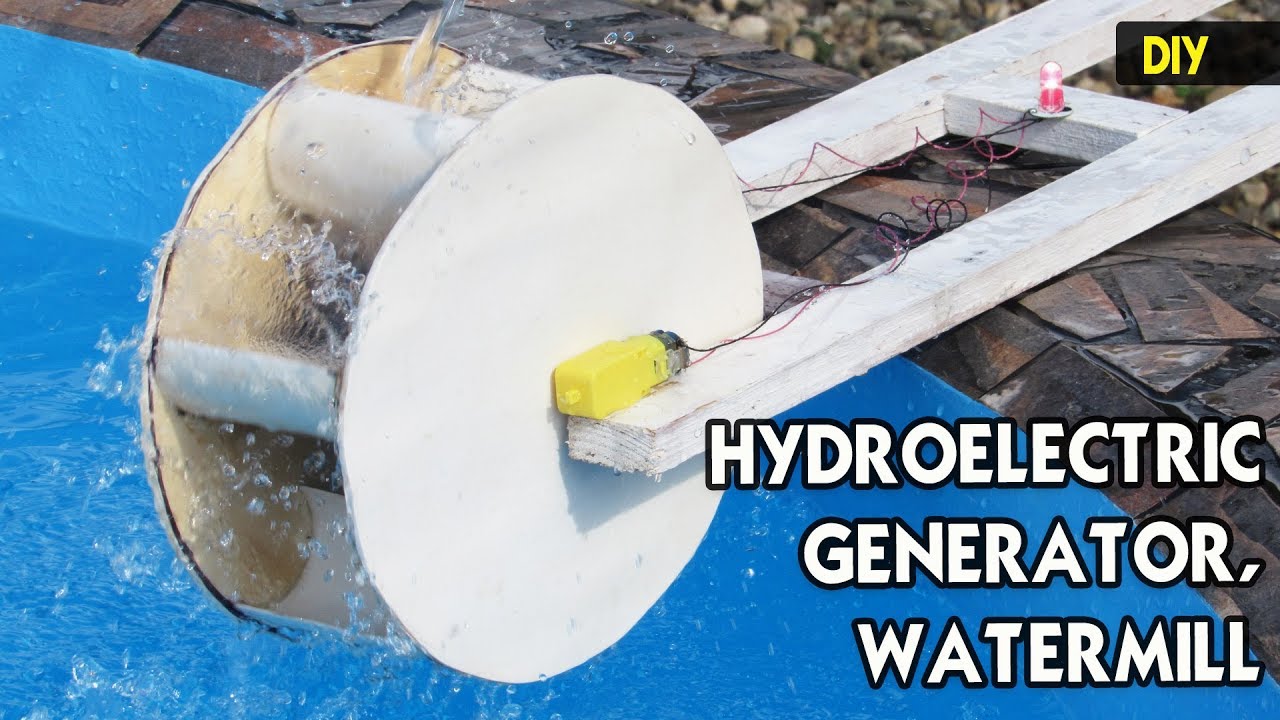
Small DC generators are perfect for home projects. They’re readily available and easy to work with. You can even salvage one from old electronics!
Make sure your generator is properly matched to your turbine or water wheel. This ensures optimal performance and prevents damage.
Wiring it Up
Time for the wiring! This is where things get a little more technical, but don't fret. Follow the instructions carefully.
Connect the generator to a charge controller. This protects your battery from overcharging. Safety first!
From the charge controller, connect to a battery. This stores the electricity you generate. Now you're truly off-grid (or at least partially!).
Powering Your World (The Tiny Version)
Now for the fun part: using your homemade electricity! Don't expect to power your entire house just yet. Start small.
Think LED lights. A string of these can be powered easily with a small hydropower setup. Imagine illuminating your garden with water power!
Charge your phone. Power a small fan. The possibilities are endless (well, almost endless) within the limits of your generator.
The Joys of DIY Power
There's something incredibly satisfying about generating your own electricity. It's a connection to nature, to ingenuity, and to self-sufficiency.
It's a great learning experience. You'll learn about electricity, mechanics, and the power of water. Plus, you'll impress your friends!
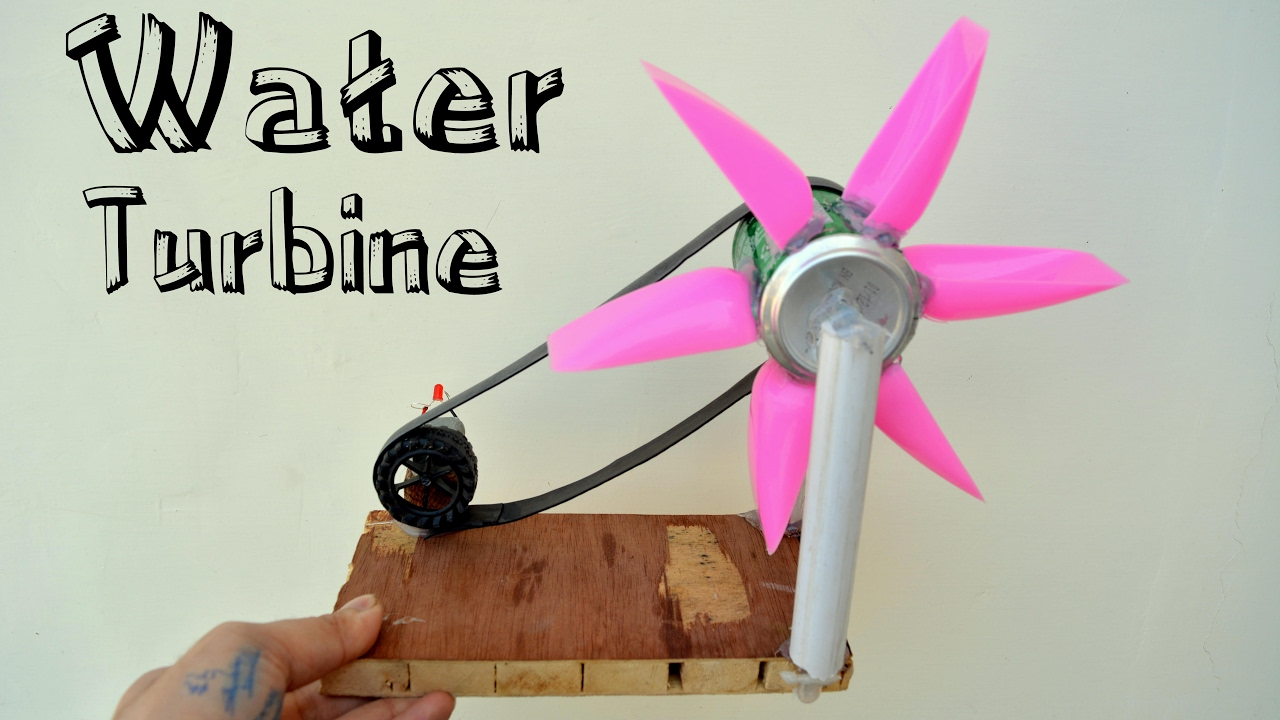
It's also a step towards sustainability. You're using a renewable resource to create clean energy. Feel good about reducing your carbon footprint.
Safety First!
Before you dive in, a word of caution. Electricity and water can be a dangerous combination. Always prioritize safety.
Use insulated wires and waterproof connectors. Ensure all connections are secure and protected from the elements.
If you're unsure about anything, consult a qualified electrician. It's better to be safe than sorry. Remember, safety is paramount!
Troubleshooting Tips
Things not working as expected? Don't panic! Troubleshooting is part of the process. Let's look at some common issues.
No power? Check all your connections. Make sure everything is properly wired and that the generator is spinning freely.
Low power? Increase the water flow. Or try a different turbine design. Experimentation is key.
Generator overheating? Make sure it's properly ventilated. And don't push it beyond its rated capacity. A little care goes a long way.
Expanding Your Hydro Empire
Got the hang of it? Ready to scale up? There are many ways to expand your hydropower system.
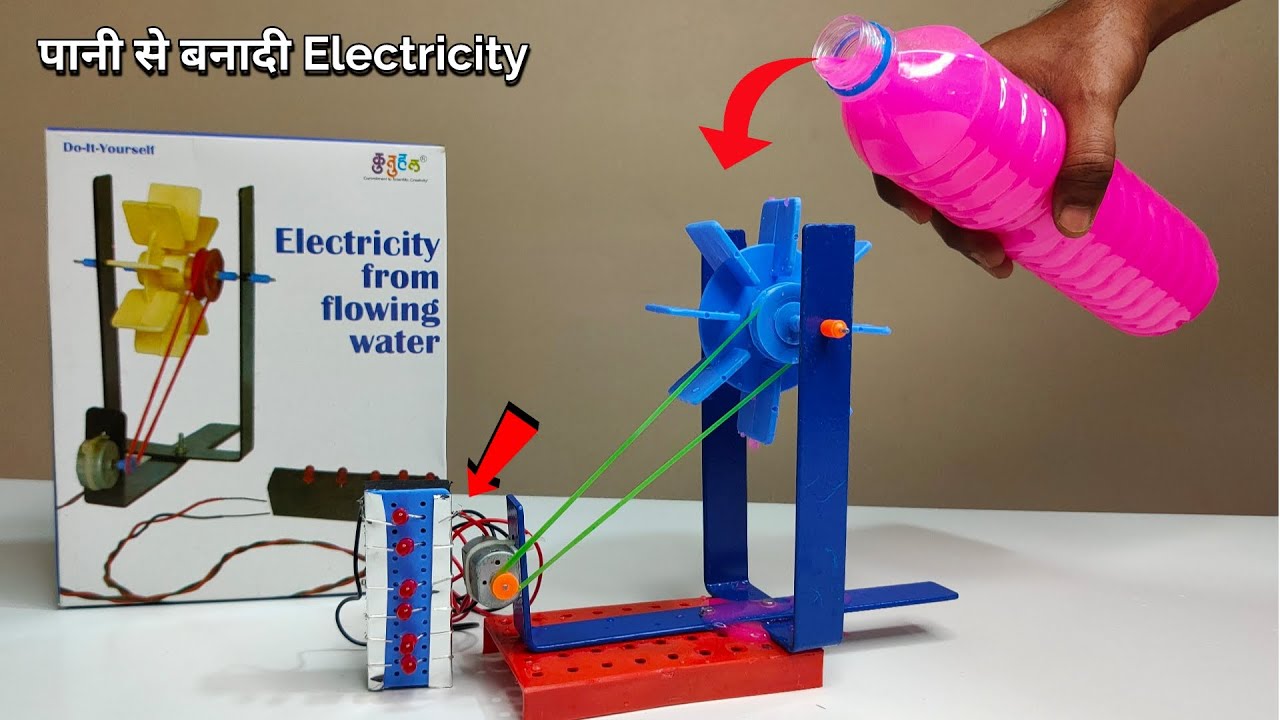
Bigger turbine. A larger generator. More batteries. The sky's the limit (or rather, your budget and space are the limits).
Consider connecting multiple turbines in parallel. This can increase your overall power output. Just make sure your generator can handle the load.
The Educational Angle
Homemade hydropower is a fantastic educational tool. It's a hands-on way to learn about science, technology, engineering, and math (STEM).
Build a mini hydropower system with your kids. It's a fun and engaging way to teach them about renewable energy. Plus, it’s a memorable experience.
Use it as a science fair project. Or demonstrate it at a school event. You'll be inspiring the next generation of engineers and scientists. Think of the possibilities!
The Legal Stuff
Before you build a large hydropower system, check your local regulations. Some areas have restrictions on water usage and power generation.
You may need permits or licenses. It's always best to be compliant with the law. A little research can save you a lot of headaches.
Don't let this discourage you. Small, personal hydropower systems are often exempt from regulations. Just do your homework first.
The Future of Home Hydropower
Home hydropower is becoming increasingly popular. As technology advances, it's becoming more accessible and affordable.
Imagine a future where everyone generates their own electricity. A future powered by renewable resources. It's a vision worth striving for.
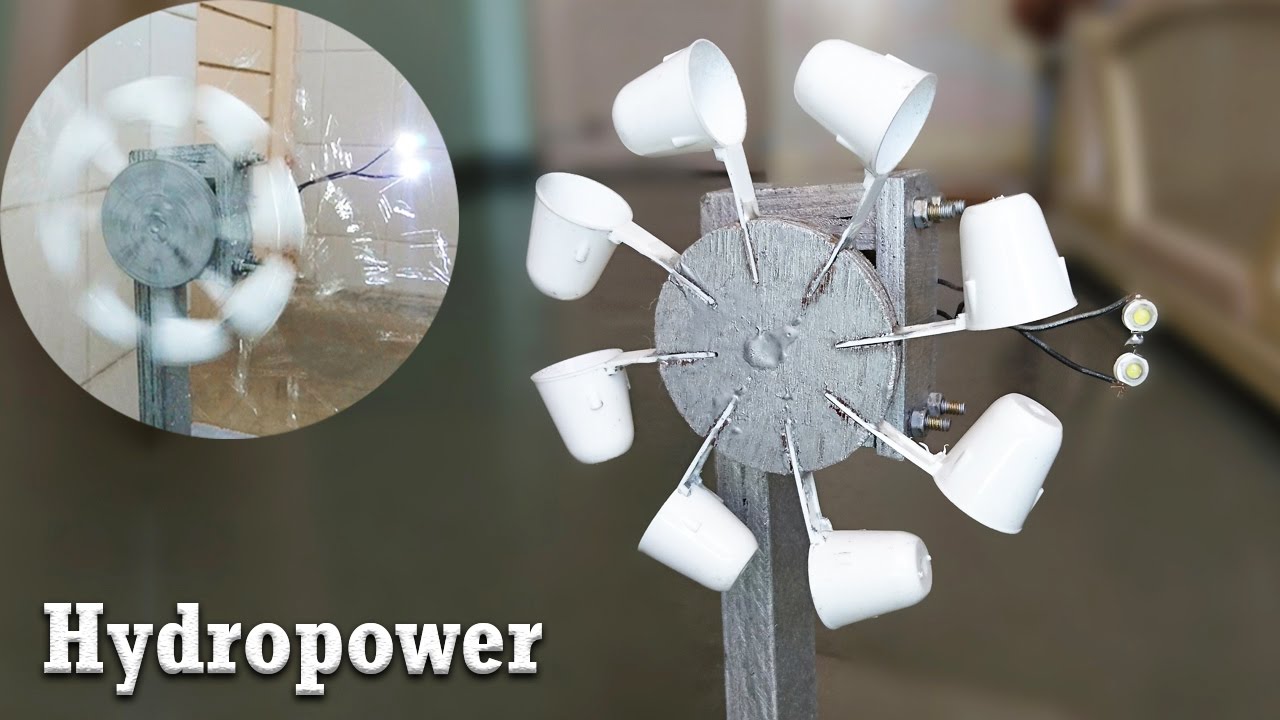
You can be part of that future. Start small. Experiment. Learn. And inspire others to join the movement. This could be your calling!
Documenting Your Journey
Take photos and videos of your hydropower project. Share your experiences online. You'll be inspiring others to try it themselves.
Write a blog post. Create a YouTube video. Share your knowledge and insights. The more people who get involved, the better.
Join online forums and communities. Connect with other hydropower enthusiasts. Learn from their experiences and share your own. Together, we can power the world (one small turbine at a time).
Finding the Right Resources
Need help finding parts or information? There are tons of resources available online and in your local community.
Search for online retailers that specialize in small-scale hydropower equipment. Check out DIY forums and websites. Your answer is out there, just keep searching.
Contact your local library. They may have books and articles on hydropower. Or reach out to local colleges and universities. They may have experts who can offer guidance.
The Joy of Discovery
The best part about DIY hydropower is the joy of discovery. It's about learning, experimenting, and pushing the boundaries of what's possible.
It's about connecting with nature and harnessing its power. It's about creating something with your own hands. It's about the thrill of the chase!
So, what are you waiting for? Grab some tools, find a water source, and start building your own mini hydropower system today! The world needs more clean energy.