How To Fix Air Quality In Home
Ever walked into your home, taken a deep breath, and thought... what am I breathing? Our cozy, insulated homes can sometimes trap stale air, containing everything from dust to invisible nasties. But fear not! Fixing indoor air quality isn't about a sterile lab; it’s about smart, simple tweaks that bring fresh air into your everyday.
The Invisible Problem
We spend a whopping 90% of our time indoors. That’s a lot of hours breathing the same air! Pollen, pet dander, dust mites, mold spores, and VOCs from furniture and cleaning products all contribute to indoor air pollution. Good news? We can make our homes healthier sanctuaries.
Open Up and Breathe
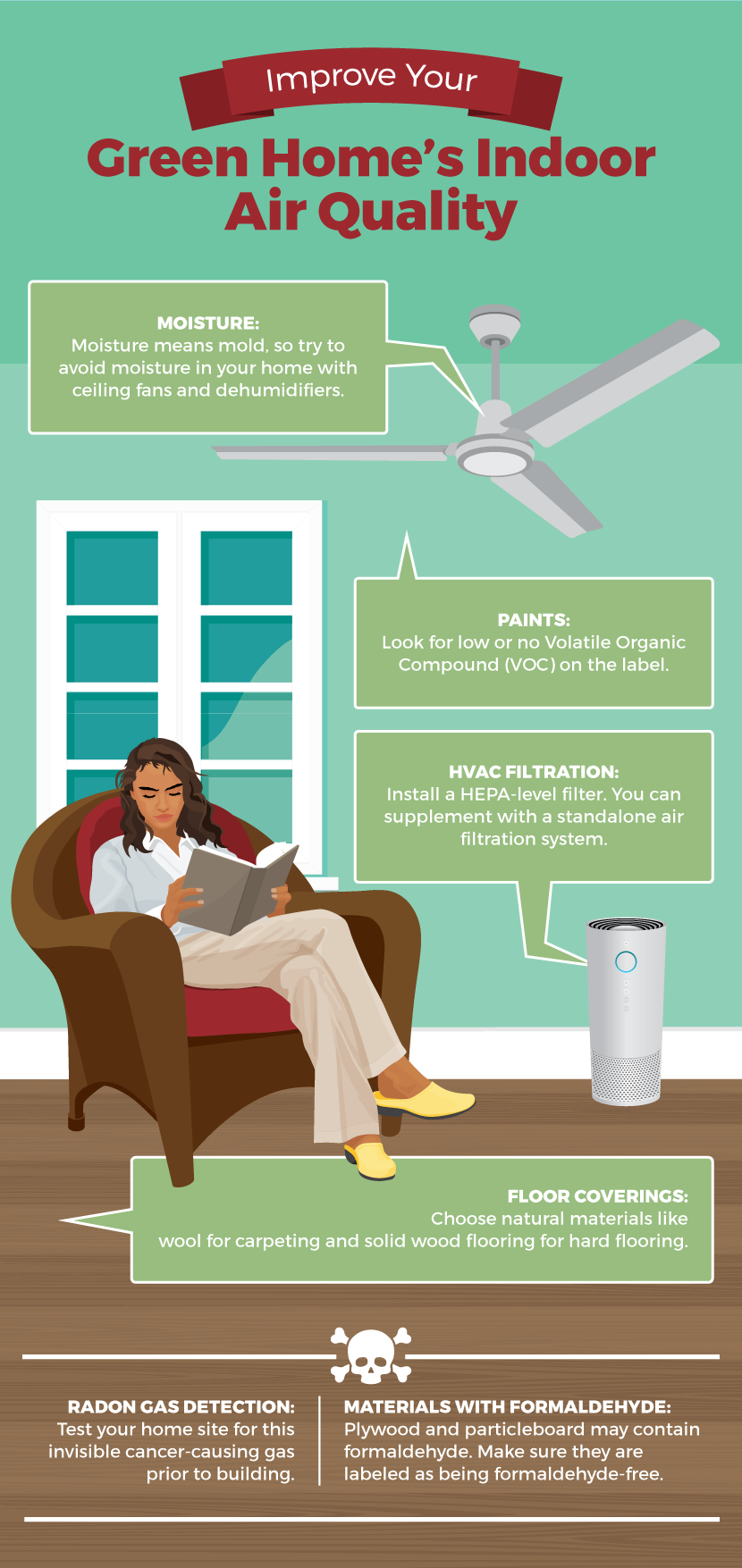
This might sound simple, but it’s highly effective. Ventilation is key! Even on chilly days, crack a window for 5-10 minutes – like hitting refresh. Aim for a
Must Read
Cooking? Always use that exhaust fan! Dinner aromas can linger, but so can less desirable byproducts affecting air quality.
Green Thumbs, Clean Lungs
Welcome to the era of the plant parent! Beyond aesthetics, some plants are bona fide air purifiers. The

Top picks: Snake Plants (effective even at night!), Spider Plants (easy care), and Peace Lilies (elegant). Just avoid overwatering; excess moisture causes mold!
Dust, Dust, Go Away!
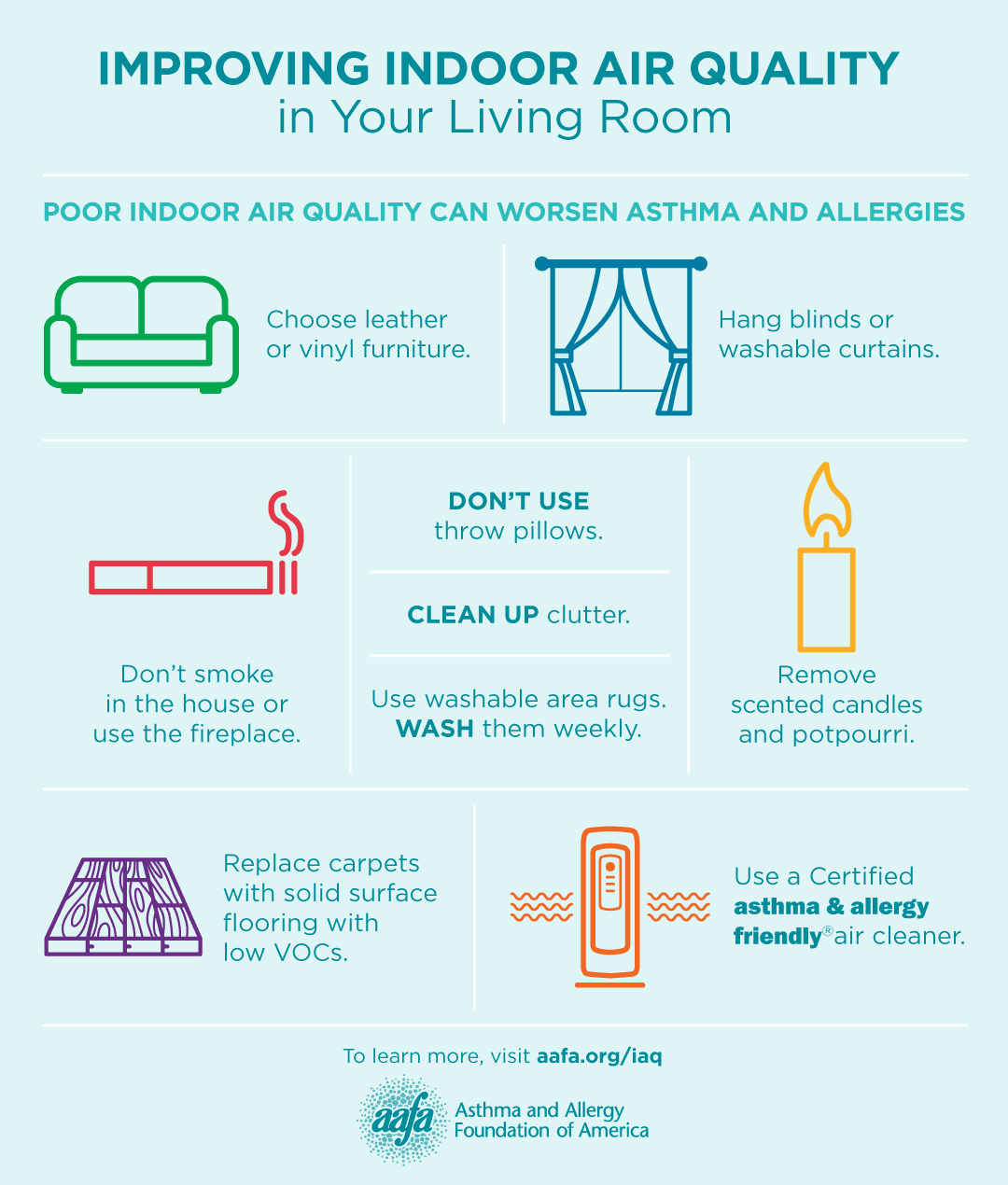
Dust isn’t just unsightly; it’s a major carrier of allergens and pollutants. Regular, smart cleaning is your best friend:
- Vacuum Smart: Invest in a vacuum with a
HEPA filter . It traps tiny particles conventional vacuums recirculate. - Wet Dusting: Use a damp cloth instead of dry dusting, which kicks particles into the air. Capture dust.
- Eco-Friendly Cleaners: Many conventional products are packed with VOCs. Look for greener alternatives, or use vinegar and baking soda. Your lungs will thank you.
Humidity: Sweet Spot
Too much humidity encourages mold and dust mites; too little dries out your respiratory system. Ideal range?

Consider a dehumidifier in damp areas. If your home feels like a winter desert, a humidifier adds moisture – just clean it regularly to prevent bacterial growth.
Air Gadgets That Help
Sometimes, we need extra help. This is where air purifiers come in. A good one, with a

Hidden Culprits
Not all "fresh smells" are created equal. Scented candles, air fresheners, and some incense release VOCs and particulate matter. Love a scented home? Opt for essential oil diffusers with pure oils, or infuse naturally with simmering citrus peels and cinnamon sticks.
"New car smell" is often off-gassing VOCs. The same applies to new furniture or paint. When bringing new items home, air them out or ensure plenty of ventilation.
A Breath of Fresh (Indoor) Air
Ultimately, excellent air quality isn't about grand gestures. It's about small, mindful choices that add up significantly. Our homes are living spaces; like us, they benefit from fresh air and care. By making these easy fixes part of your routine, you’re not just improving your home; you’re investing in your own well-being, one clean breath at a time. Isn't that the ultimate modern luxury?