
How To Fix A Gas Leak In House

Okay, confession time. The other day, I was whipping up some culinary masterpiece (or, you know, just reheating pizza), and suddenly – sniff sniff – this weird, acrid smell filled the kitchen. My heart did a little flutter-kick. Gas leak? My brain immediately went into full-blown panic mode, picturing all sorts of dramatic movie scenes. Turns out, I'd just burnt the garlic bread. Phew! Crisis averted. But that fleeting moment of terror? It got me thinking. What if it had been a gas leak? What then?
Because let's be real, a gas leak isn't like a leaky faucet you can just jury-rig with some tape. We're talking about something that's invisible, highly flammable, and potentially deadly. Not exactly DIY territory, my friend. So, before we even think about "fixing" anything, let's get one thing straight, loud and clear: Safety First.
What to do IMMEDIATELY if you suspect a Gas Leak
If you catch a whiff of that distinctive "rotten egg" smell or suspect a leak for any other reason, your absolute, immediate, non-negotiable first steps are paramount. Seriously, this isn't the time for hesitation or investigation. This is the time for action!
Must Read
- Don't switch anything on or off. That includes lights, fans, appliances – anything that could spark. Seriously, resist the urge to flip that light switch! Even a small spark can ignite accumulated gas.
- Open windows and doors. Get that fresh air flowing to dilute any gas buildup. Every little bit helps to air things out.
- Evacuate immediately. Get everyone out of the house. Pets too! Don't dawdle. Your safety is the number one priority.
- Call your gas company or emergency services from a safe distance. Use your cell phone outside the house, or a neighbor's phone. Do NOT call from inside.
I know, I know. You're probably thinking, "But the article is titled 'How to Fix A Gas Leak'! When do I get to the fixing part?" Well, patience, eager beaver. Understanding the danger is the first (and arguably most important) step in "fixing" it safely.
The Scent of Trouble: Identifying a Leak
Aside from my dramatic anecdote about burnt garlic bread, how do you know it's a gas leak? Your nose is usually your best friend here, but there are other clues too.

Natural gas is actually odorless. But for safety, gas companies add a chemical called mercaptan, which gives it that distinctive "rotten egg" or "sulfur" smell. If you catch a whiff of that, pay attention! Your nose is your first, best alarm system.
Sometimes, you might hear it. A faint whistling or hissing sound near a gas line, appliance, or meter can indicate gas escaping. Get curious, but remember to keep your distance and prioritize the immediate safety steps above.

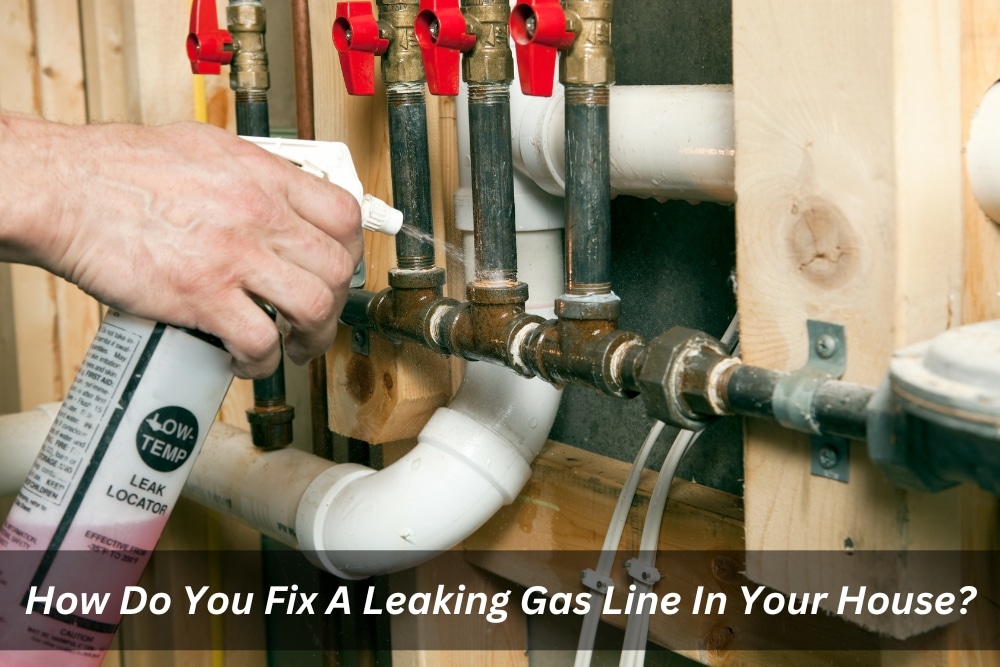
While pros might use a soap-and-water solution to pinpoint minor leaks (spraying it on suspected areas to see bubbles), I'm telling you, if you smell that strong odor or hear a hiss, skip the science experiment and get out! Leave the fancy detection methods to the folks in uniform.
The "Fixing" Part (Spoiler Alert: You Don't)
Alright, so you're still here, eager to learn "how to fix a gas leak in house," right? Well, here's the kicker: You don't.
Yeah, I know, bait and switch! But honestly, this isn't the kind of home repair that YouTube videos, a handy toolkit, or your uncle Bob's "I've fixed everything" attitude can solve. This is professional territory, full stop. And for good reason.
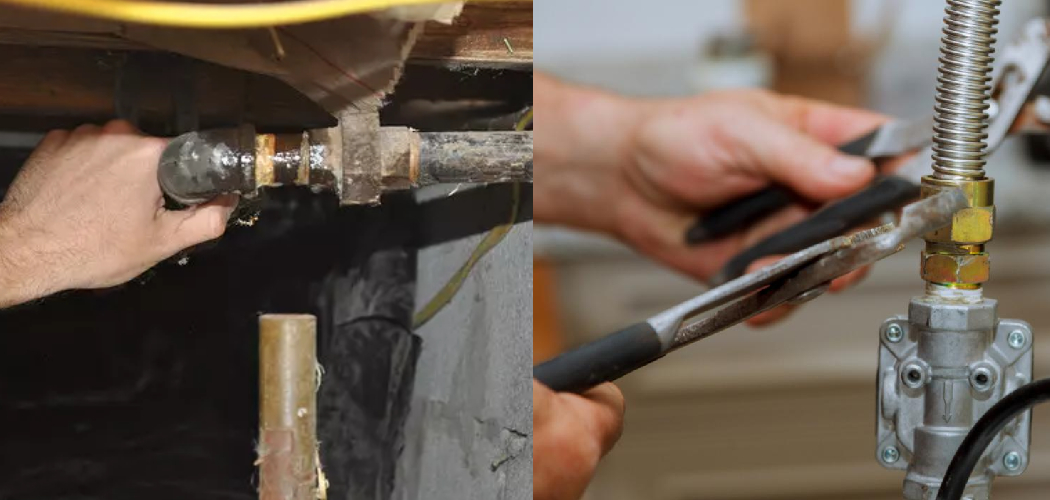
A qualified technician – usually from your gas company or a licensed HVAC/plumbing professional – has the specialized equipment to detect the exact source of the leak, assess its severity, and make the necessary repairs safely. They've got meters that sniff out gas concentrations that your nose can't, tools to tighten connections correctly, and the expertise to replace faulty components without causing a bigger problem (like an explosion, gulp!).
They might need to replace a faulty valve, re-thread a loose pipe, or even install a new section of gas line. It's intricate work that requires specific training, certifications, and a deep understanding of gas systems. Trying to patch it up yourself with duct tape, sealant from the hardware store, and a prayer? Recipe for disaster, my friend. Trust me on this one.
Prevention is Key (and Safe!)
Okay, so while fixing a gas leak yourself is a big NO, there are things you can do to prevent them or catch them early. Think of it as proactive "fixing" by avoiding the problem altogether!
- Regular appliance maintenance: Have your gas furnace, water heater, and other gas appliances inspected annually by a professional. This isn't just about efficiency; it's about detecting wear and tear before it becomes a safety hazard.
- Carbon Monoxide detectors: While CO detectors don't detect natural gas directly, a gas leak can sometimes lead to CO buildup if combustion isn't happening properly. These are crucial for overall home safety. Install them on every level of your home!
- Know your shut-off valve: Locate your main gas shut-off valve. In an emergency (and only if instructed by emergency personnel from a safe distance), knowing how to turn off the gas supply can be vital. But again, this is usually a step after you've evacuated and called for help.
- Be gentle with gas lines: When moving appliances or working near gas lines, be super careful not to accidentally bump, bend, or damage them. A little caution goes a long way.
The Real Fix: Professional Help!
So, there you have it. The secret to "fixing" a gas leak in your house? It's knowing when to step away, get out, and call the pros.
It's about respecting the danger, trusting the experts, and prioritizing the safety of yourself and your loved ones above all else. Because when it comes to gas, being overly cautious isn't paranoia; it's just plain smart. Stay safe out there, folks, and keep those sniffers alert!