How To Find Yield Stress From Stress Strain Curve
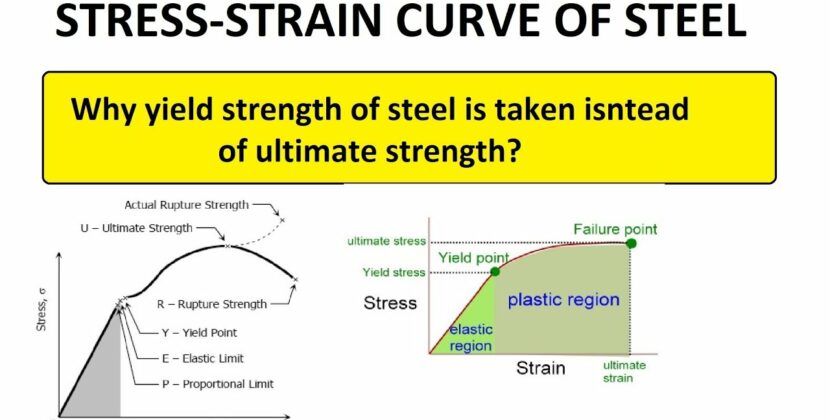
Ever tried to stretch a rubber band... just a little? It bounces right back, right? That's kinda like how most materials behave when you're not being a total brute. But then, you pull it really far, and BAM! It stretches out and doesn't quite return to its original shape. It's like when you try on jeans after the holidays – something's gotta give, and usually, it's the jeans losing their original form. What you’ve just observed is fundamentally linked to yield stress, which we're going to decode like it’s a particularly stubborn escape room.
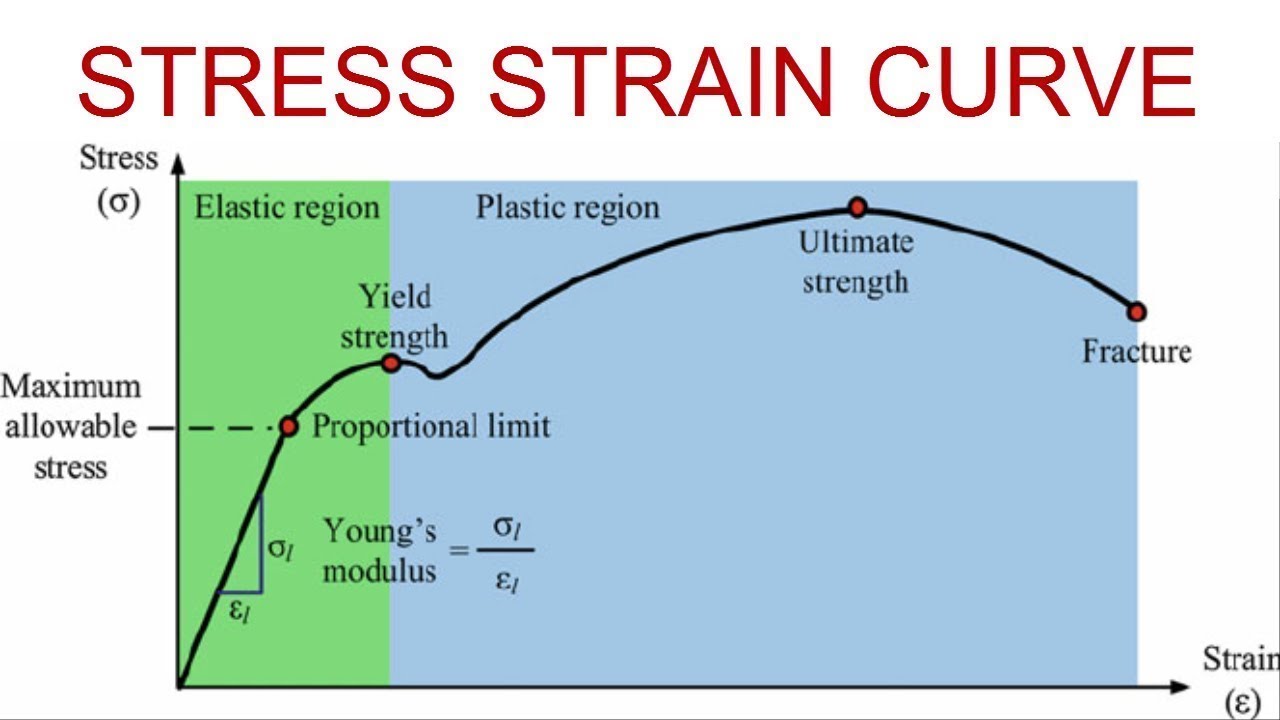
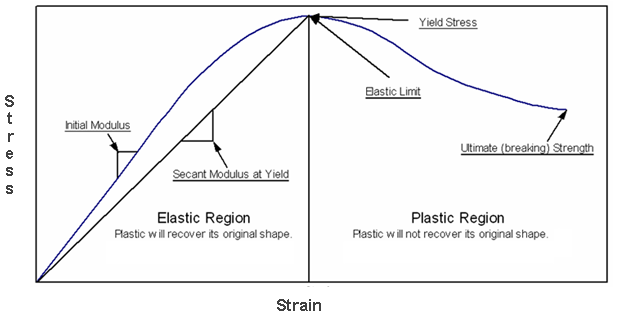
So, what is this "yield stress" thing? Think of it as the material’s breaking point of politeness. It's the amount of stress you can apply before it starts permanently changing its shape. Below the yield stress, it's all "elasticity," meaning the material bounces back to its original form when you let go. Above it? Well, that's when things get plastic and irreversible, like that questionable haircut you got in college. You can't undo the deed.
Stress-Strain Curve: Your Treasure Map
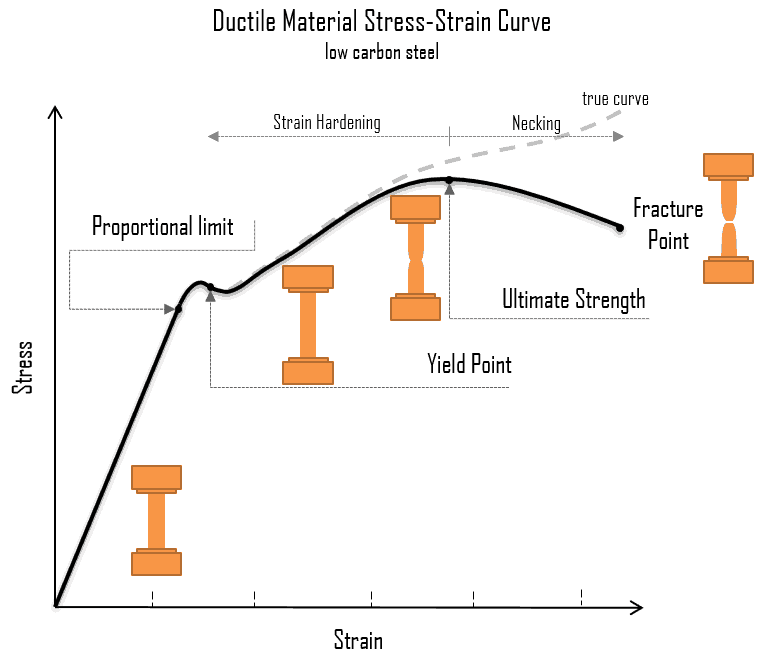
To find the yield stress, we use something called a stress-strain curve. Imagine it as a graph showing how much a material stretches (strain) for a given amount of force applied (stress). It's like mapping your relationship with coffee throughout the day: a little stress (early morning) needs a little strain (a small cup). A lot of stress (afternoon deadline) demands a lot of strain (a mega-sized latte!).
Must Read
The curve usually starts with a nice, straight line. This is the elastic region. Stress and strain are proportional here – double the force, double the stretch. It’s a simple, predictable world. Like knowing exactly how much garlic bread to order when you’re super hungry – straightforward.
Then, the line starts to curve. This is where things get interesting, and where we start our quest to find yield stress.
Finding the Yield Stress: The 0.2% Offset Method
There are a few ways to find yield stress on the curve, but the most common is the 0.2% offset method. It sounds intimidating, but trust me, it’s easier than parallel parking a minivan.
Here's the deal: You draw a line parallel to the initial straight portion of the curve, but you offset it by 0.2% of the original length of the material. Imagine taking a ruler and drawing a line that's slightly "off" from the perfectly straight part.
Then, you see where this offset line intersects the stress-strain curve. The stress value at that intersection point? Bingo! That’s your yield stress! You found the material's point of no return. It’s like pinpointing the exact moment you realize you need to order pizza instead of attempting to cook.
Why 0.2%? Because it’s a generally accepted standard. It represents a tiny, but permanent, deformation that indicates the material has started to yield. Think of it as that barely noticeable sag in your favorite armchair – a sign it's been loved a little too much.
Why Does Any of This Matter?
Understanding yield stress is crucial in engineering. Imagine designing a bridge. You need to know how much weight it can handle before it starts to permanently bend out of shape! Or building a skyscraper – you definitely want to know the yield stress of the steel beams!

It's not just bridges and buildings, though. Yield stress plays a role in everything from designing airplane wings to creating plastic containers that don't crack under pressure. Knowing the limit helps engineers make smart choices about materials and designs, ensuring things are safe and reliable.
So next time you stretch a rubber band, or maybe wrestle with a stubborn zipper, remember the concept of yield stress. It's a fundamental property of materials that helps us understand how things behave under pressure. It's everywhere, even in your slightly-too-tight jeans.
Now, go forth and conquer those stress-strain curves! Or at least, treat yourself to something with a lot of yield – like a perfectly gooey chocolate chip cookie.