
How To Find The Meter Number
Okay, so picture this: I'm twenty-something, fresh out of college, finally snagging my first 'big kid' apartment. It's got character, a questionable smell in the hallway, and the kind of light that makes you feel like you've officially made it. I’m buzzing! First order of business, naturally, is to set up utilities. Electricity, gas, water – gotta make sure the essentials are running before I even think about furniture that isn't from the curb.
I call up the electric company, feeling all grown-up and responsible. The nice person on the other end is walking me through the setup, asking for my address, social security number (gulp!), and then, BAM! They hit me with it: "And what's your meter number, please?"
My meter… what now? My mind went blank. I distinctly remember mumbling something about not having one, or maybe it was on my landlord's unicorn, because I had absolutely no clue what they were talking about. The silence on the line was deafening. I felt like I'd just failed a basic adulting exam. Sound familiar? Yeah, I thought so. It’s one of those little nuggets of information that you never think about until you desperately need it, right?
Must Read
Why on Earth Do You Even Need This Mystical Number?
Before we dive into the treasure hunt, let's quickly address the "why." You typically need your meter number for a few key reasons: setting up new service at a new address, transferring service from a previous tenant, or sometimes even if you're just troubleshooting a billing issue. It's how the utility company uniquely identifies your specific point of consumption, separate from just your address. Think of it like your utility service's social security number. Important stuff!
Alright, Let's Get Down to Brass Tacks: Where Is This Elusive Beast?
The good news? It's usually not hiding under a secret trapdoor. The best place to start looking for your meter number is, shockingly, on the meter itself! I know, groundbreaking stuff. But meters come in all shapes and sizes, and their locations can vary wildly. Don't worry, I'll walk you through the most common scenarios.
The Electric Meter: Your Home's Power Hub
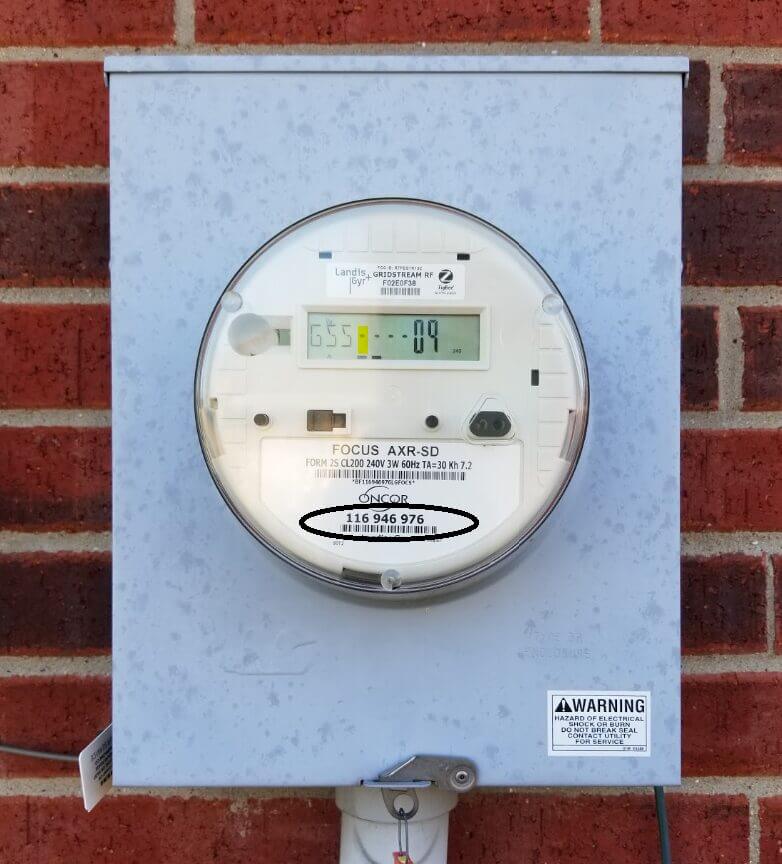
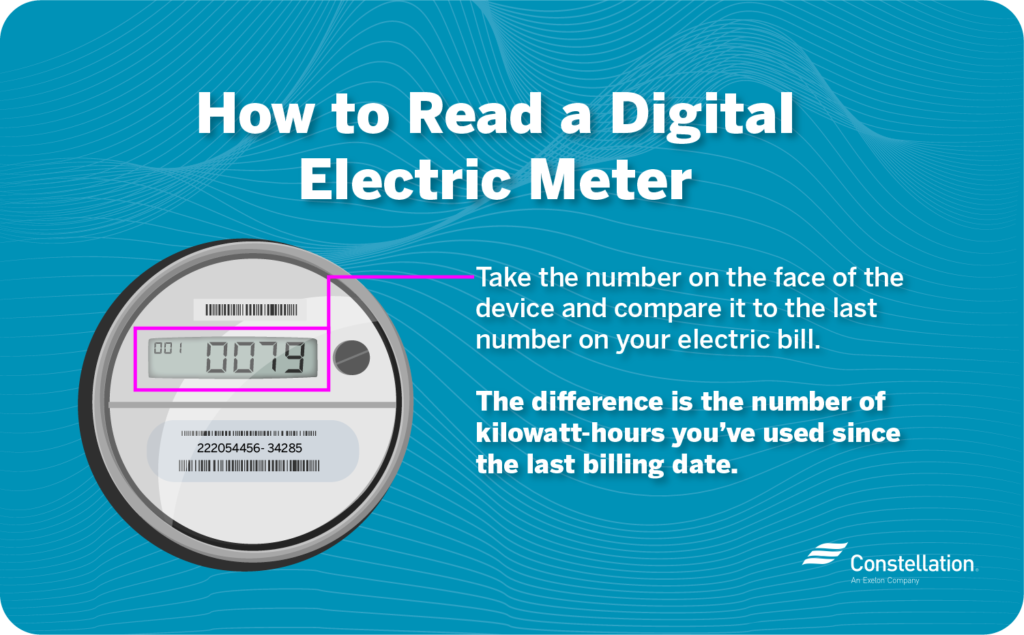
This is probably the most common meter you'll encounter. Electric meters are usually found on an outside wall of your house or apartment building. Sometimes, for older homes or specific setups, they might be in a basement or utility closet. They're typically a grey or black box, often with a digital display or, for the truly vintage among us, a set of spinning dials. (Those are cool, right? Like a little mechanical clock for your power consumption!)
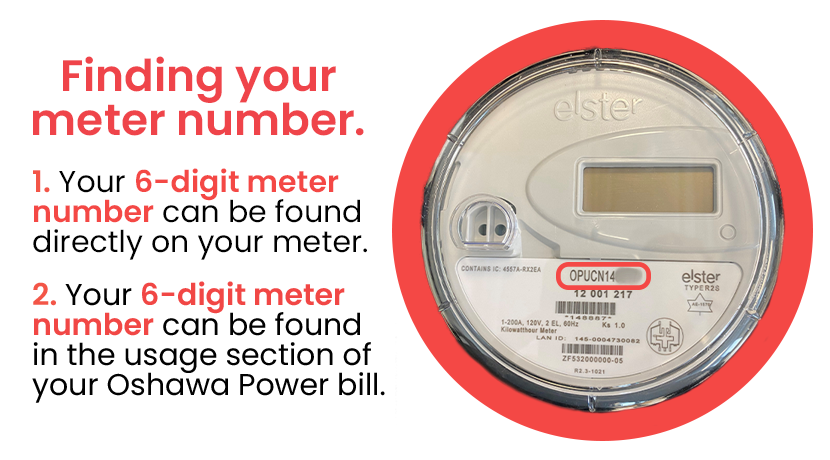
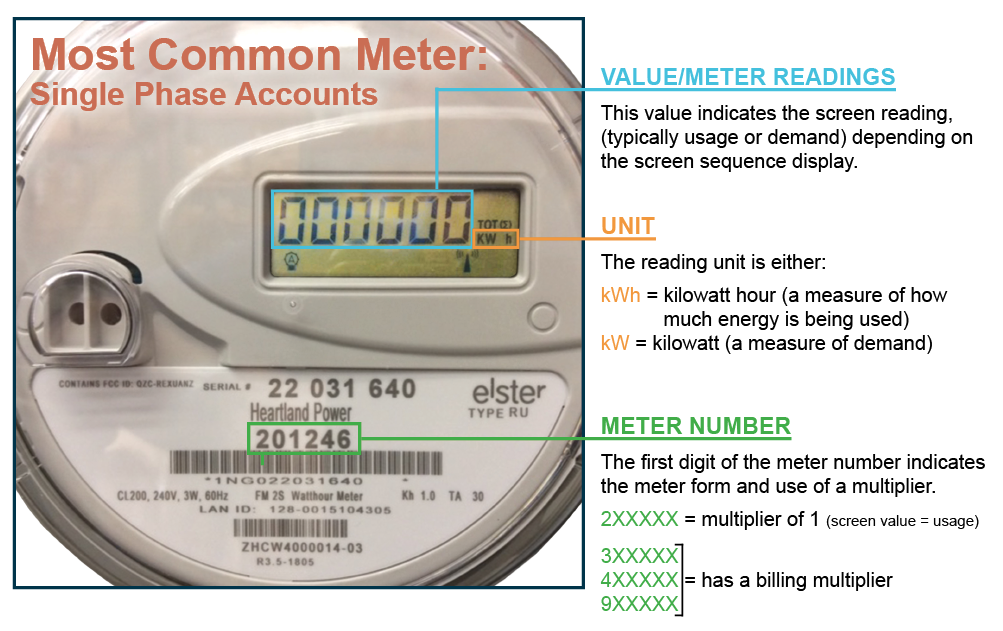
- Look for: A series of numbers, usually about 5-10 digits long. It might be labeled as "Meter No.", "S/N" (serial number), "ID#", or just a prominent string of numbers.
- Where exactly? It’s usually printed directly on the front display or on a sticker affixed to the meter's casing. Give it a good, close look. Sometimes the numbers are smaller than you'd expect, so don't be shy about getting up close and personal.
- A friendly warning: While it's perfectly safe to look at and read the numbers on the outside, do not attempt to open or tamper with the meter itself. Electricity is no joke, my friend!
The Gas Meter: Keeping Things Toasty
Your gas meter is often found near your electric meter, or sometimes on another side of your property. It's usually a metal box, often grey or beige, and can be either square-ish or a bit more cylindrical. It'll have some pipes going into and out of it (obviously, because, well, gas!).
- Look for: Similar to the electric meter, a clear serial number or meter number printed or stamped on the meter's body.
- Placement: Typically on the front face, near the top or bottom of the display.
- Safety first, always: Again, look but don't touch anything beyond reading the numbers. If you ever smell gas, get out and call your gas company and 911 immediately!
The Water Meter: The Unsung Hero of Hydration
Water meters can be a bit trickier because they often prefer to stay out of sight, like a shy hermit crab. They might be:
- In a pit outside: Often near the curb or property line, covered by a heavy metal or plastic lid. You might need a tool (like a screwdriver or specific 'meter key') to lift the cover. Be prepared for some dirt, maybe a spider or two – it’s an adventure!
- In a utility closet: Sometimes in a basement, garage, or even a hallway closet inside your property.
Once you find it, it's usually a smaller, often roundish device with a dial or digital display. The meter number will be on the face of the meter, often clearly stamped or etched.
"Okay, What If I've Bravely Faced the Elements, Dodged Spiders, and Still Come Up Empty-Handed?"
Don't despair, my intrepid meter hunter! You've still got options:
1. Check a Previous Bill: If you're moving into a place where service was already active, the meter number is almost always printed on a previous utility bill for that address. Ask the landlord or previous tenant if they have one.
2. Ask Your Landlord or Realtor: If you're renting, your landlord or property manager should definitely have this information on hand. They deal with this stuff all the time!
3. Call the Utility Company Directly: This is your ace in the hole. Give them your address, and explain that you can't locate the meter number. They can usually identify it based on the address. Sometimes, they might even send a technician out to confirm it for you (though this can take time, so try the other options first!).
See? Not so terrifying after all, right? Armed with a little patience and these tips, you'll track down that elusive meter number faster than you can say, "Finally, hot showers!" Go forth and conquer your utility setup, you magnificent adult, you!