
How To Find Oil In The Ground
Forget what the big shot geologists tell you. Finding oil in the ground? It’s not some mystical art. We’re going to let you in on a little secret today.
It's practically common sense, really. You just need to know where to look. And maybe, just maybe, trust your gut a little.
My
Must Read
Start with the Sniff Test
First things first, let's talk about the original, low-tech method. Can you smell anything interesting? A faint whiff of rotten eggs, perhaps?
That sulfur smell, my friends, is sometimes associated with oil and gas. It's not always oil, but it's a start. You might just have a good nose for
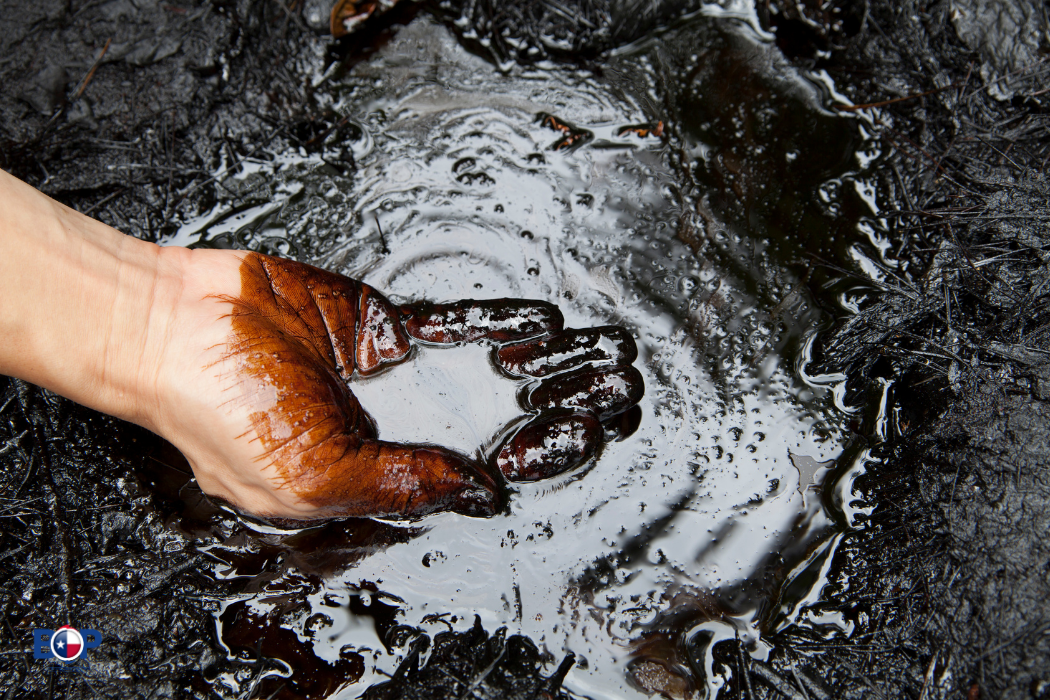
Then there’s the visible evidence. Are there any
If you see a sticky, black puddle where it shouldn't be, well, congratulations! You've just found yourself some oil. No fancy degrees needed for that one.
"Who needs a million-dollar survey when you have eyes and a nose?"
The Wiggle Stick Method
Okay, maybe not everyone trusts their nose. Some folks prefer a good old-fashioned
You hold these metal rods, walk around, and when they cross, boom! That’s where the magic is. Or so the legend goes, anyway.
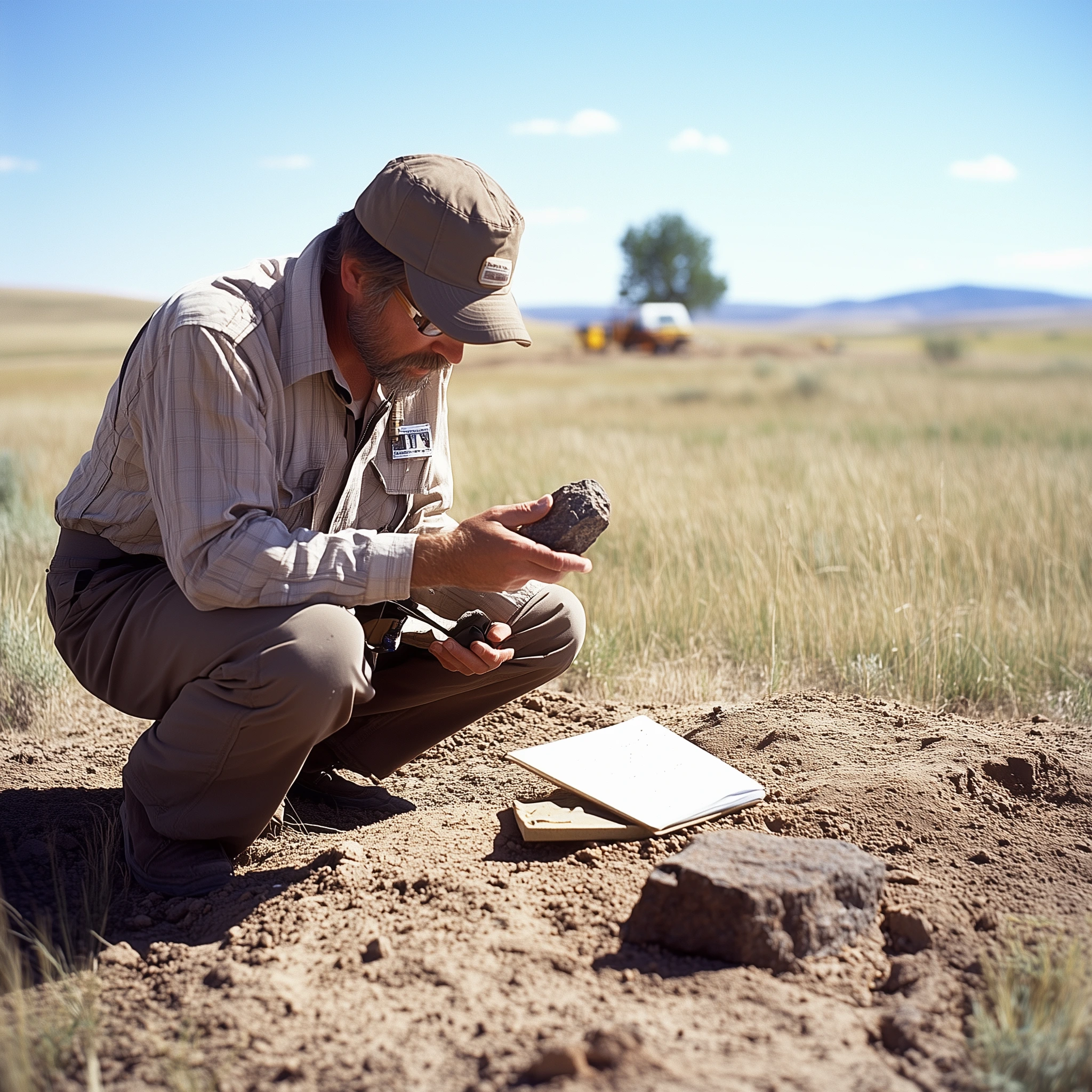
It’s a bit controversial, sure. But hey, people swear by it for water, so why not for oil? It’s certainly more fun than staring at computer screens.
This is where the "trust your instincts" part really shines. It's all about that mystical connection. Or maybe just a really good guess.
When Common Sense Needs a Little "Help"
Alright, alright, the big companies do use some tech. But don't let it intimidate you. It's just their way of overcomplicating things.
They talk about
They send sound waves down into the earth. Then they listen for the echoes. It's like tapping a watermelon to see if it’s ripe.
The echoes tell them about the layers underground. They’re looking for certain shapes. Shapes that might trap oil.
"It's like an ultra-sound, but for rocks instead of babies. Way less cute, though."
They’re trying to find big, underground domes or folds. These are the perfect natural traps. They catch the oil as it rises.
The Heavy Hand of Gravity
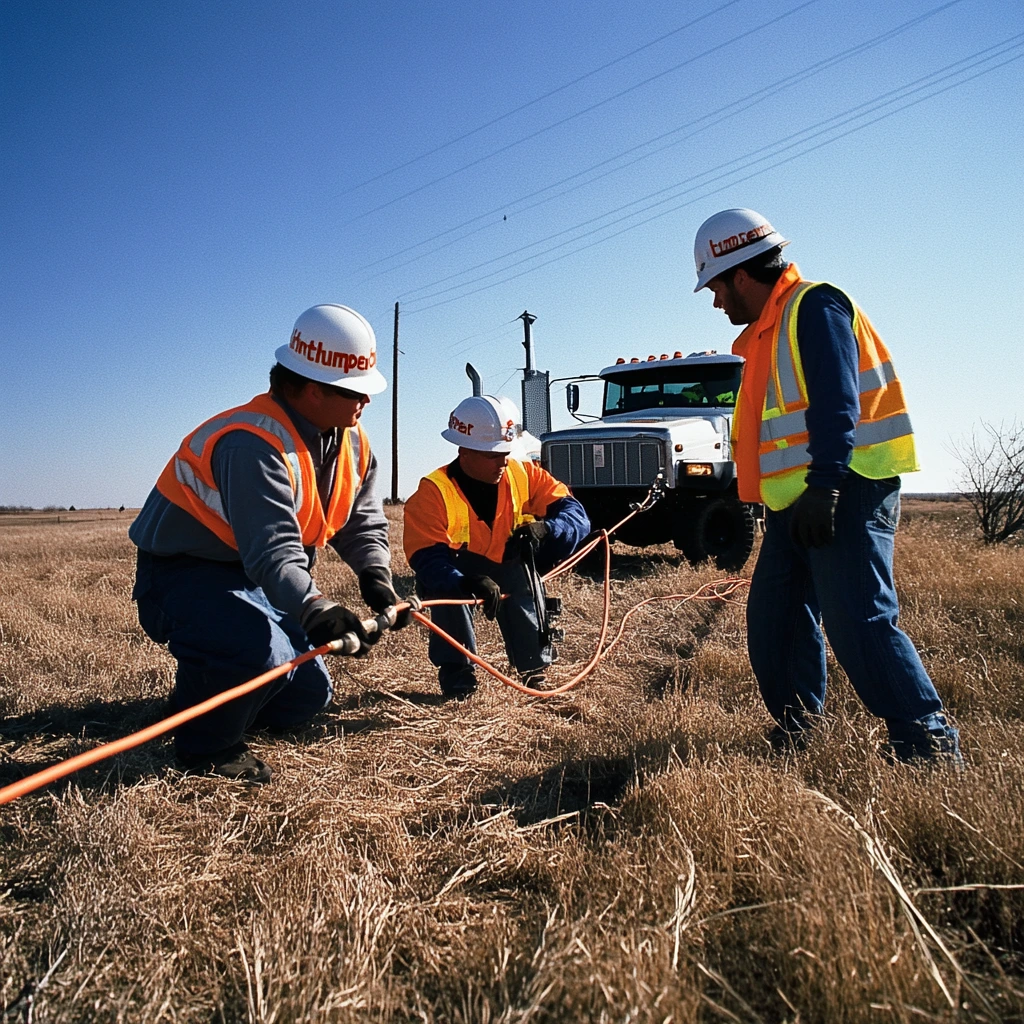
Another "scientific" method involves
Because different rocks have different densities. Some rocks are heavier than others. Oil-filled rocks might be lighter or denser than their neighbors.
It's like weighing your luggage before a flight. Some suitcases are heavier than others. The earth is just a giant, lumpy suitcase.
So, they look for areas where gravity is a bit off. A subtle dip or bump. It could hint at what’s lurking below the surface.
Again, it’s just another hint. Not a definitive answer. They’re still just guessing, but with very expensive equipment.
Magnetic Personality of Rocks
Then there are
Some rocks are more magnetic than others. These surveys map out where the magnetic rocks are. It helps them see the deeper structures.
It's like using a compass. The needle points north because of the earth's magnetism. These surveys just measure tiny variations.
They’re looking for patterns. Patterns that might suggest where the ancient basement rocks are. And where the oil-bearing layers might sit on top.
It’s another piece of the puzzle. But really, it feels like they’re just throwing spaghetti at the wall. Hoping something sticks.
The Ultimate Truth Teller: The Drill
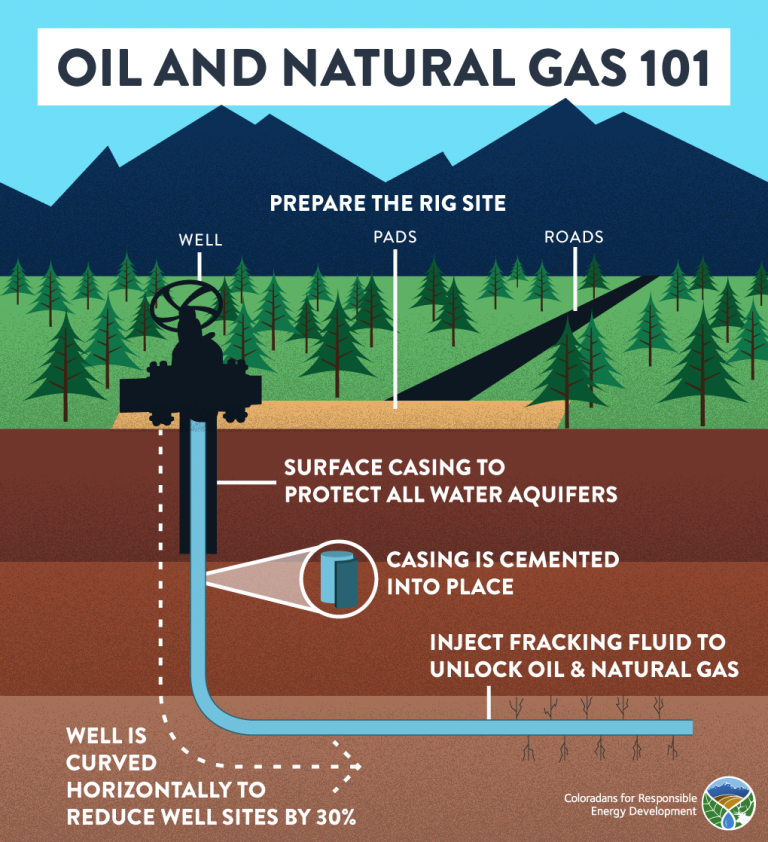
After all the sniffing, tapping, weighing, and magnetizing, there’s only one true way to know. You have to
All those fancy surveys? They just tell you where to think the oil might be. The drill rig is the ultimate truth-teller.
It's like baking a cake. You can follow the recipe, guess the oven temperature, but until you take a bite, you don't know if it's good.
So, they pick a spot based on all their data. Then they send in the big rigs. And they start digging a very, very deep hole.
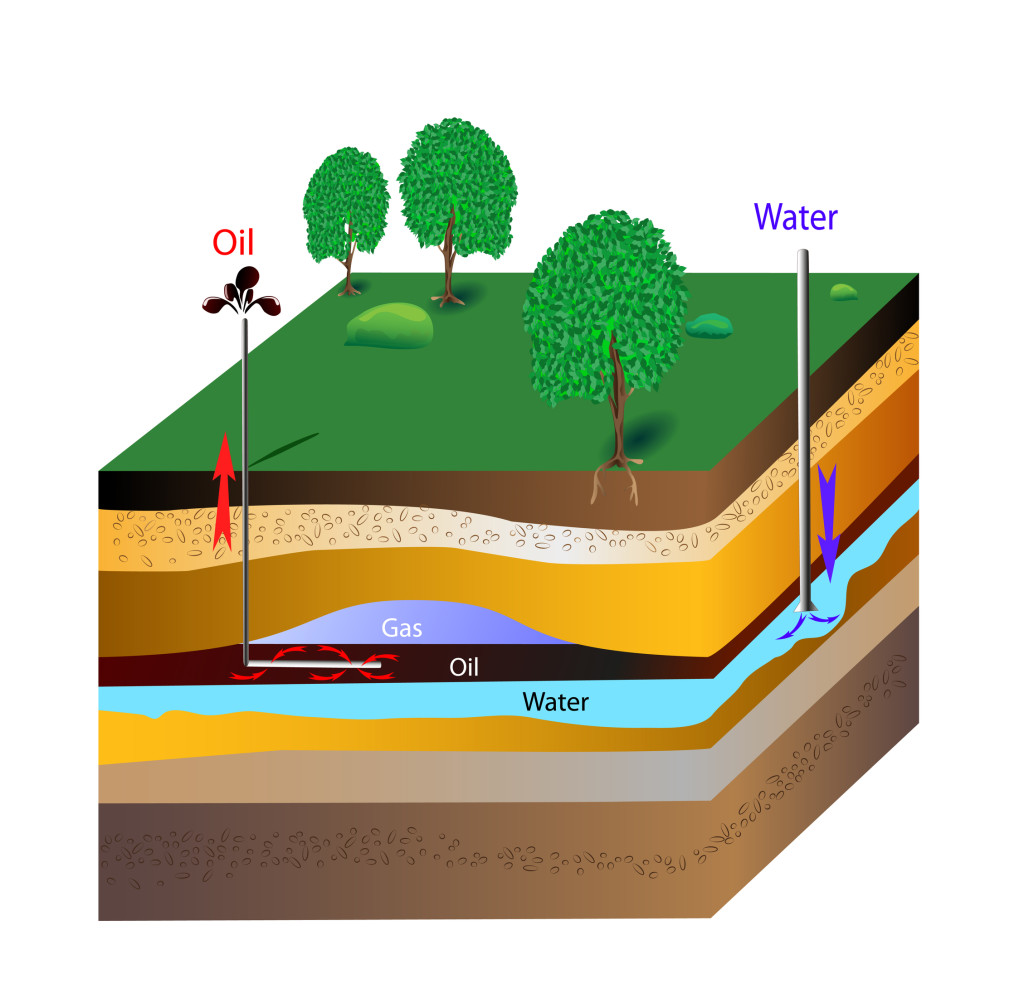
Sometimes, they hit
"All that science, and it still comes down to poking a hole and hoping for the best. Just like us!"
Trust Your Own Inner Geologist
So, you see? All those complex methods eventually lead back to a simple truth. It’s a bit of an educated guess.
My argument? You can bypass some of that complexity. Start with your instincts. And maybe a very large shovel.
Next time you're hiking, just take a good look around. Sniff the air. Feel the ground. You might just have a natural talent.
Perhaps you’ll stumble upon the next great oil discovery. And you won't need a single seismic survey. Just your wits.
So go forth, my aspiring wildcatters! Trust your senses. And remember, sometimes, the simplest answer is the right one.
Who knows, maybe your backyard is sitting on a fortune. Time to get out there and explore! Happy hunting!