
How To Find Hts Code For Import
Hey there, future global entrepreneur, or perhaps just a curious soul with a fantastic idea brewing! Ever found yourself scrolling through international marketplaces, eyes wide with possibility, dreaming of bringing that unique artisan craft, that innovative gadget, or that delectable treat from halfway across the world right to your doorstep, or even better, to your customers?
It’s a thrilling thought, isn't it? The sheer excitement of connecting with suppliers, envisioning your brand, and expanding your horizons. But then, a tiny, slightly intimidating thought might creep in: "How do I actually get it here without a mountain of paperwork or a customs nightmare?"
Enter the HTS Code. (That's Harmonized Tariff Schedule, for those keeping score at home.) Now, I know what you're thinking: "Ugh, codes? Tariffs? Sounds like a one-way ticket to Boringville." But hold your horses, my friend! What if I told you that understanding this seemingly dry topic is actually your secret weapon to a smoother, more successful, and yes, even more fun import journey? It’s true!
Must Read
Why HTS Codes Are Your New Best Friend (Seriously!)
Imagine this: You've sourced the perfect product. It's arriving at the port, and suddenly, it's stuck. Why? Because the paperwork isn't quite right. Or worse, you’re hit with unexpected fees that eat into your profit margin like a hungry badger. Ouch!
This is where your HTS code superpowers come in! Correctly identifying your product's code means:
1. Saving Money Like a Pro: Different products have different duty rates. Knowing the correct HTS code helps you accurately calculate tariffs and avoid overpaying. Think of it as finding the "express lane" for your wallet. Who doesn't love keeping more of their hard-earned cash?
2. Smooth Sailing Through Customs: Customs officials rely on these codes. A correct code ensures your goods are classified properly, leading to fewer delays and less hassle. Your products will practically glide through customs, making you feel like a logistics wizard!
3. Avoiding Costly Penalties: Misclassifying your goods, even accidentally, can lead to fines and penalties. Learning to find the right code protects you from these unwelcome surprises. It's like having a shield against bureaucratic dragons!
4. Unlocking the World of Trade Data: Once you understand HTS codes, you can delve into import/export statistics. Want to know what products are booming? Or where your competitors are sourcing from? The HTS code is your key to unlocking this fascinating world of global trade intelligence. It's like having a crystal ball for commerce!
Your Treasure Map to Finding That Elusive HTS Code
"Okay, okay," you might say, "I'm convinced! But how do I actually find this magical code?" Fear not, intrepid importer! It's less like deciphering ancient hieroglyphs and more like a satisfying detective game.
Step 1: Know Your Product Inside and Out.
Before you even think about codes, get intimate with your product. What is it made of? What is its primary function? How is it used? The more detail, the better. For example, don't just say "shoes." Is it a "men's leather dress shoe," a "child's waterproof rubber boot," or a "sports shoe with spiked sole"? Details, details, details! This is your foundation.
Step 2: Head to the Official Source.
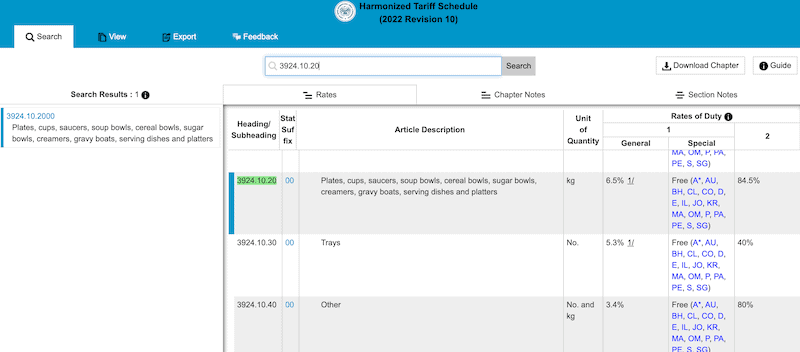
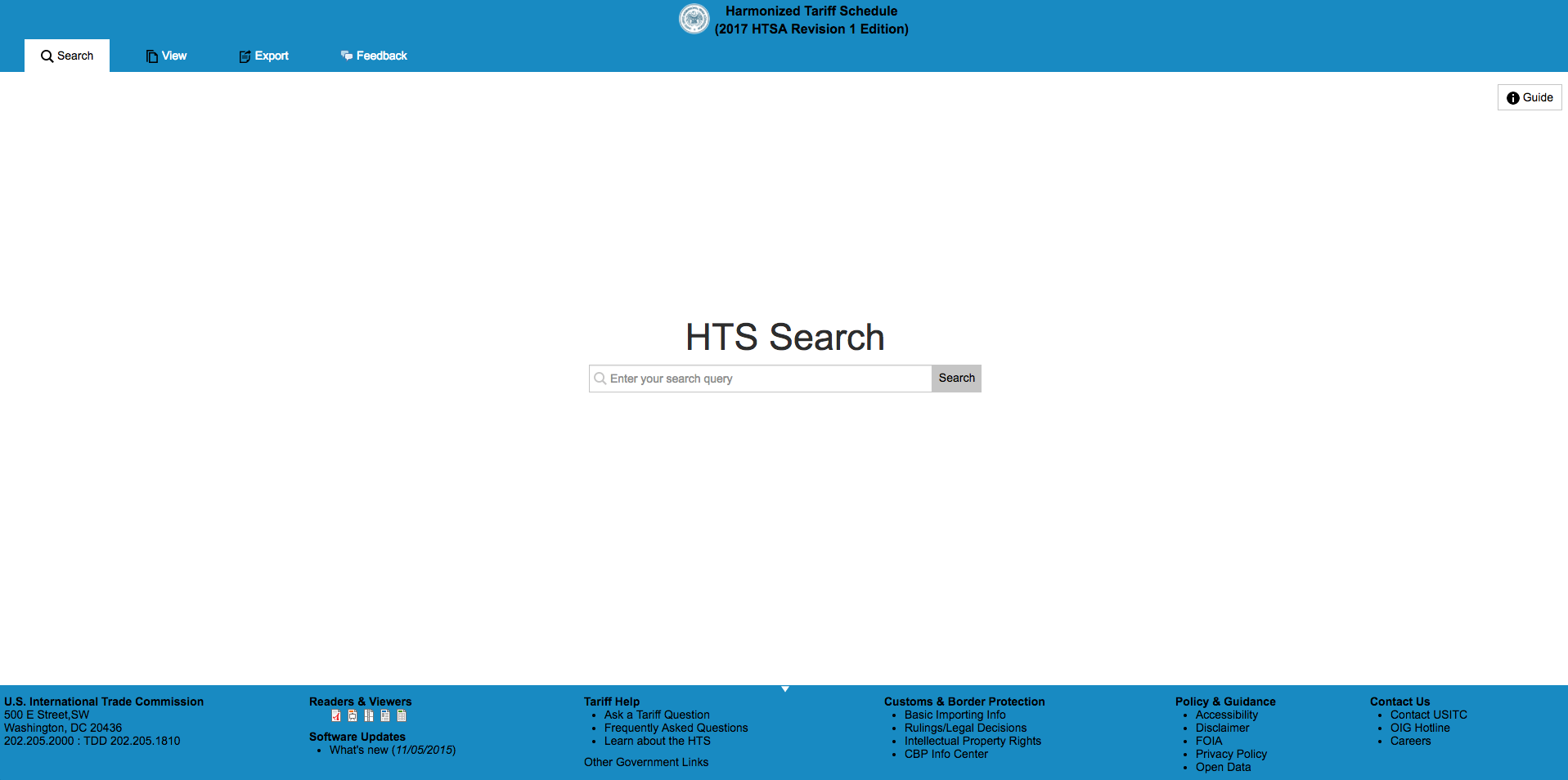
For U.S. imports, your best friend is the U.S. International Trade Commission (USITC) HTS Search tool (you can easily find it with a quick Google search!). This website is the official, authoritative source for the U.S. HTS. It’s a bit like opening a massive, fascinating encyclopedia of all the things!
Step 3: Master the Art of Keyword Searching.
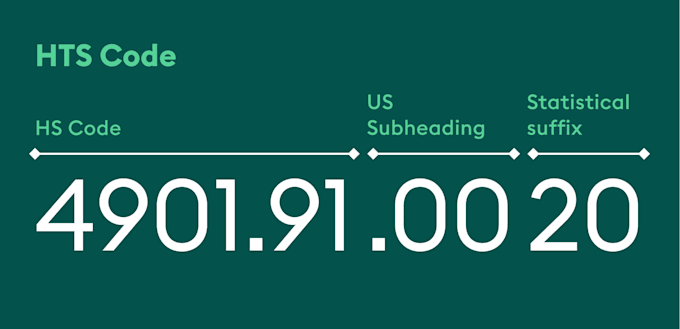
On the USITC site, you can search by keyword. Think broadly, then narrow down. If you're importing a "coffee mug," try "mug," "ceramic," "tableware," or "kitchenware." Play around with terms until you find sections that look promising. You’ll see categories broken down into Chapters (two digits), Headings (four digits), and Subheadings (six digits, eight digits, and finally ten digits for the full HTS code).
Step 4: Read the Chapter and Section Notes.
This is CRUCIAL! Each section and chapter of the HTS has specific "notes" or "rules of interpretation." These notes define what is included or excluded from certain categories. Sometimes, a product might seem to fit one category, but a note will explicitly place it elsewhere. Think of these notes as the fine print that saves you big headaches. Don’t skip them!
Step 5: When in Doubt, Ask a Pro!

It’s okay not to be an expert on day one! For complex products or if you're feeling unsure, don't hesitate to consult with a licensed customs broker or a freight forwarder. These pros deal with HTS codes daily and can provide definitive answers, often saving you more money and stress in the long run than their fees. They're your personal HTS gurus!
Go Forth and Import With Confidence!
See? Finding an HTS code isn't some mythical quest reserved for seasoned trade veterans. It's a learnable skill, a valuable tool in your entrepreneurial toolkit, and honestly, a fascinating peek into how the global economy classifies everything from a single toothpick to an entire airplane.
Embracing the challenge of HTS codes isn't just about avoiding penalties; it's about empowerment. It’s about understanding the mechanics of international trade, gaining confidence in your ability to navigate global logistics, and ultimately, transforming your import dreams into tangible reality.
So, next time you're dreaming of that perfect product from abroad, remember the humble HTS code. It's not a barrier; it's a bridge. It's not a chore; it's an adventure. Go ahead, dive in, explore, and get ready to unlock a world of smoother, smarter, and ultimately, more successful importing! The global marketplace awaits your intelligent touch!