
How To Find Gas Leak In Stove

Ever had that nagging feeling, that faint whiff of something… unusual in your kitchen? Learning how to check for a gas leak in your stove might not sound like a party, but trust me, it’s one of those incredibly useful life skills that brings immense peace of mind. It’s like knowing how to jump-start a car or fix a leaky faucet – empowering, practical, and saves you from unnecessary worry (and potentially bigger headaches!). Knowing these simple steps transforms a potentially scary situation into a manageable one, putting you in control of your home’s safety.
This knowledge is a real gem for various folks. For beginners or new homeowners, it demystifies a common household concern, helping you feel confident and prepared. You don't have to be an expert to take initial, crucial steps. For families, it's about protecting your loved ones; a small investment of time in learning these tips can prevent serious issues. It’s proactive home maintenance that keeps everyone safe. And for the eager DIYer or anyone who loves understanding how their home works, it’s a fantastic way to deepen your knowledge, potentially save money on service calls for minor issues, and just feel more self-reliant around the house.
Gas leaks aren't always dramatic. Sometimes it's an obvious, strong smell of rotten eggs (that's mercaptan, an additive to make natural gas detectable). Other times, it might be a subtle, faint odor that comes and goes, or even a soft hissing sound near your stove or oven. Leaks can happen at the burner connections, where the gas line attaches to the stove itself, or even internally within the oven system. While these methods are primarily for gas ranges and ovens, the principles of detection are similar for any natural gas appliance. The key is to be attentive to your senses and know the simple diagnostic trick.
Must Read
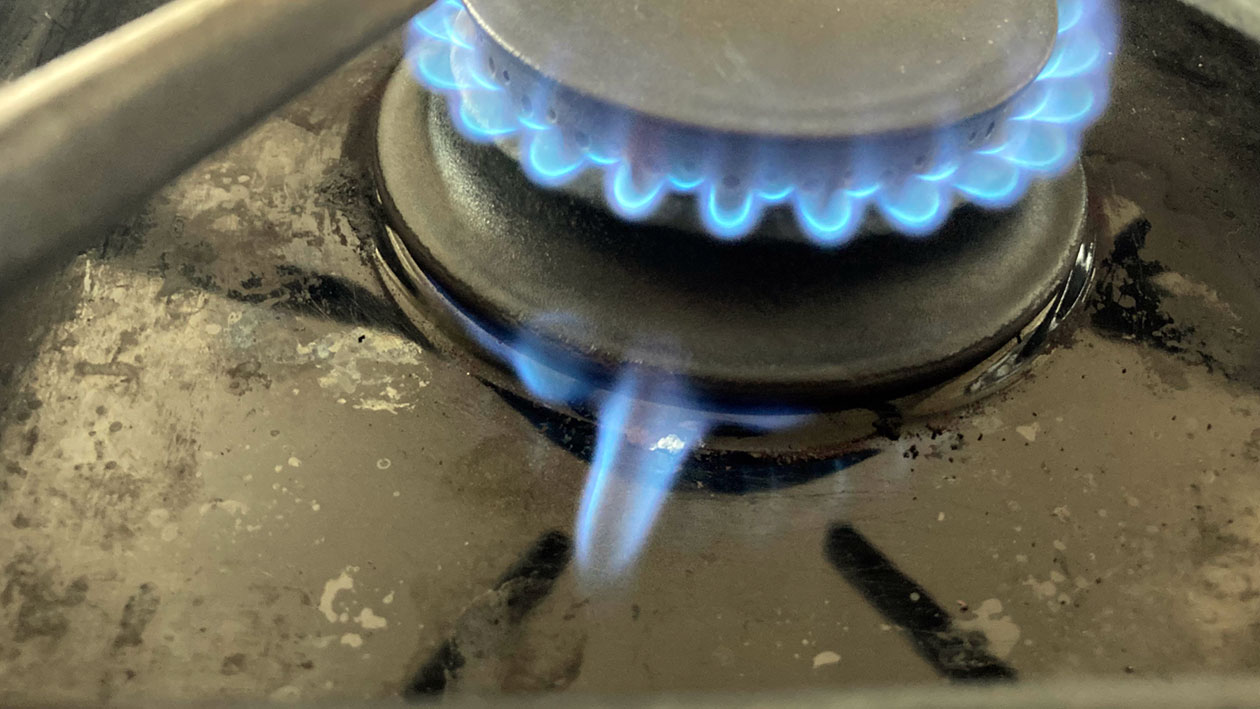
So, how do you find one? First, trust your nose. If you smell that tell-tale rotten egg odor, that’s your primary indicator. Second, listen carefully around your stove for any faint hissing. Now for the golden rule: the soapy water test. Mix a good amount of dish soap with water in a small spray bottle or bowl until it's very sudsy. Turn off your stove and oven burners. Apply this soapy solution generously to the areas where gas connections are visible: around the burner knobs, where the gas line enters the stove from the wall, and the areas under the cooktop burners (if you can safely access them). If you have a leak, you'll see bubbles forming and growing at the source of the leak, much like a bicycle tire puncture in water. Remember, never use an open flame to check for a gas leak! If you find bubbles, or still suspect a leak, immediately turn off the gas supply to your stove (usually a knob on the gas line behind the stove or the main gas shut-off for your home), open windows for ventilation, and call your gas company or a certified technician right away.
Knowing these few simple steps is incredibly empowering. It takes away the mystery and anxiety, replacing it with confidence and capability. There's a real satisfaction in understanding your home better and being prepared for potential issues. It's not about enjoying the problem, but about enjoying the peace of mind that comes from knowing you can handle it. Stay safe, stay smart!
![How to Detect a Gas Stove Leak in Your Home [Expert Tips]](https://www.fixwerks.com/wp-content/uploads/2022/03/How-to-Detect-a-Gas-Stove-Leak-and-Methods-to-Prevent-It-1024x536.png)

