How To Find Gas Leak In Home
There's a curious satisfaction that comes with being prepared, a sense of quiet mastery over the potential unknowns of homeownership. It’s like being a household detective, equipped with keen senses and crucial knowledge, ready to tackle any mystery that might arise. And while we certainly don't enjoy the idea of a gas leak, what many of us genuinely appreciate is the empowerment that comes from knowing how to effectively detect one and keep our loved ones safe. It's about proactive care, peace of mind, and ultimately, making your home the secure haven it's meant to be.
The benefits of knowing how to find a gas leak are profound and invaluable. This isn't just about inconvenience; it’s about life-saving knowledge. A timely detection can prevent devastating explosions, fires, and the silent, deadly threat of carbon monoxide poisoning. It safeguards your family, your beloved pets, and your most significant investment—your home—from irreparable damage. This knowledge serves as a critical layer of defense, ensuring that a potential hazard is identified and addressed before it escalates into a catastrophic event. It’s a proactive step in maintaining a healthy and secure living environment, transforming anxiety into assurance.
So, when might your inner home detective need to spring into action? The skill of gas leak detection is applied in various everyday scenarios. Perhaps you've just installed a new gas appliance, like a stove or water heater, and want to double-check the connections. Maybe you're doing routine home maintenance and want to ensure everything is tip-top. Or, most critically, you might encounter that unmistakable, pungent odor. Knowing what to do in these moments is not just practical; it’s essential to responsible home management.
Must Read
Now, for the "how-to" – let’s make finding a gas leak effectively a part of your home safety repertoire. Think of it as mastering a vital skill, almost like learning to bake a perfect soufflé, but with much higher stakes!
- Trust Your Nose: The Rotten Egg Test
Natural gas itself is odorless, but utility companies add a chemical called mercaptan, which gives it a distinct, strong odor often described as rotten eggs or sulfur. If you catch a whiff of this smell, it's the most common and immediate indicator of a leak. Don't ignore it! - Listen Closely: The Hissing Sound
Sometimes, a gas leak can produce an audible sound. If you're near a gas line or appliance, listen for a faint hissing or whistling noise. This sound indicates gas escaping under pressure. - The Soapy Water Test: Bubbles Don't Lie
This is a classic and highly effective method for pinpointing a leak. Mix a solution of dish soap and water until it's very sudsy. Apply the solution with a sponge or spray bottle to suspected leak areas, such as pipe joints, connections, and valves. If you see bubbles forming and growing, you've found your leak. It’s a simple, visual confirmation that’s incredibly satisfying for the home detective in you! - Observe Your Environment: Plants and Flames
Are your houseplants suddenly wilting or dying near a gas appliance? Escaping gas can deprive plants of oxygen. Also, avoid using open flames, but if there's a small, controlled flame nearby (like a pilot light), observe if it's acting strangely, flickering or behaving erratically. - Invest in Technology: The Gas Leak Detector
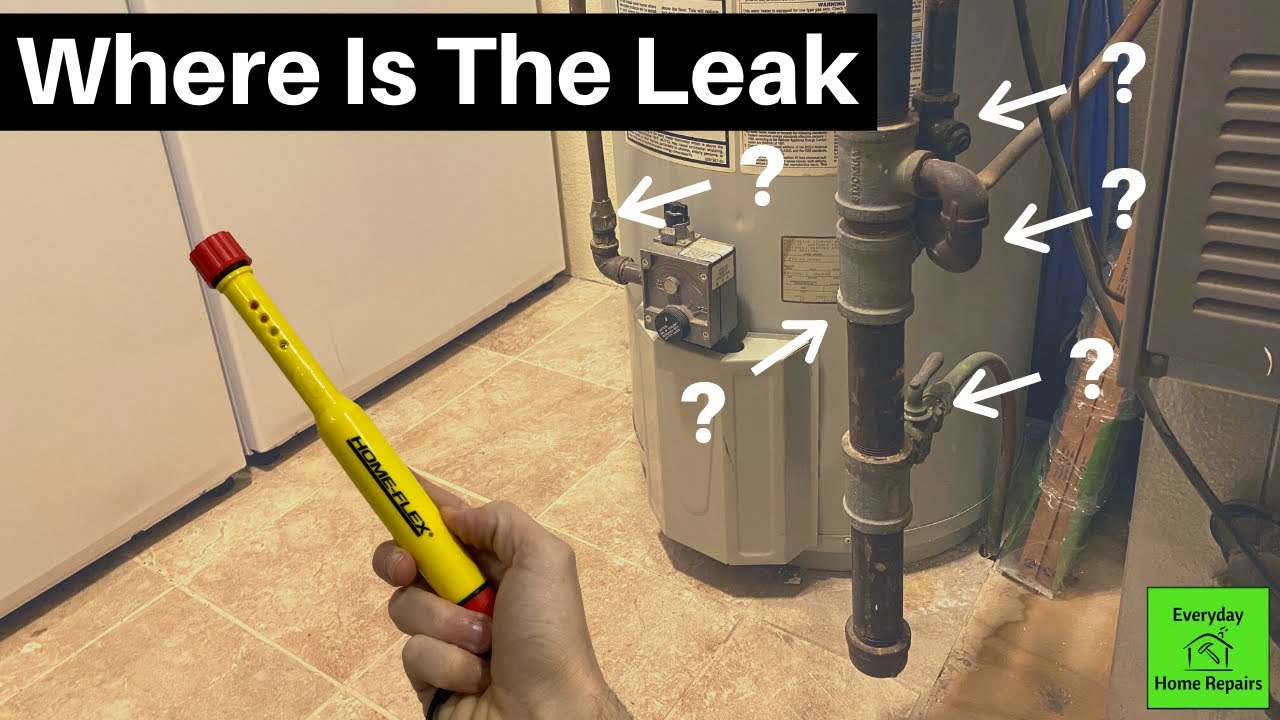
For continuous monitoring and extra peace of mind, consider purchasing a portable or plug-in gas leak detector. These devices can audibly alert you to the presence of natural gas or propane, often before you can smell it. They're a smart addition to any home safety arsenal.
If you suspect a gas leak, remember these crucial steps: do NOT turn on or off any lights, use your cell phone inside, light matches, or operate any electrical devices. These actions can create a spark and ignite the gas. Instead, open windows and doors immediately, evacuate everyone from the house (including pets), and once safely outside, call your gas utility company or 911. Being prepared means knowing how to detect and, most importantly, how to react. Stay safe, home detectives!