
How To Find Energy Of A Wave
Have you ever truly listened to the rumble of a distant thunderstorm or felt the gentle tickle of a sea breeze on your face? These aren't just everyday sensations; they're whispers and roars from the incredible world of waves, each carrying its own unique packet of power. We encounter waves constantly, from the cheerful tune on the radio to the vibrant colors of a sunset, and deep down, we instinctively understand some have more "oomph" than others.
Imagine trying to figure out how much "get-up-and-go" these waves possess, not with complicated formulas, but with a sense of wonder and a playful spirit. It’s like being a detective, looking for clues in the natural world. Our quest to understand wave energy is less about solving equations and more about appreciating the lively dance of the universe around us.
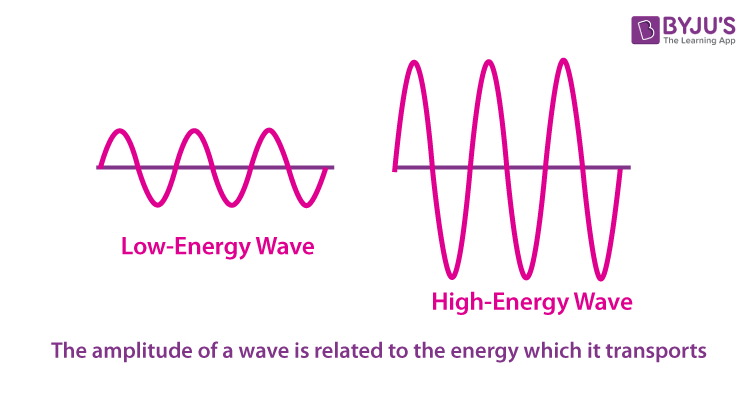
The Mighty Muscle of a Wave: It's All About Size!
Think about a tiny ripple barely disturbing a puddle versus a colossal ocean wave crashing onto the shore. Which one would you bet on to knock over a sandcastle? The answer is obvious, isn't it? This is our first big clue about a wave's energy.
Must Read
The taller a water wave, the more raw power it packs. Scientists call this the wave's amplitude, but you can just think of it as its "height" or "stretch." A gentle bob in the bathtub has low amplitude, while a surfer’s dream wave has a wonderfully high amplitude. More height means more muscle to do things, like move sand or thrill a surfer.
This idea isn't just for water. When you crank up the volume on your favorite song, you're essentially increasing the amplitude of the sound waves hitting your ears. That's why a whisper is polite, but a booming bass line can make your chest vibrate! The sound wave is simply pushing more air with greater force.
"It's like comparing a friendly tap on the shoulder to a full-body hug from a delighted giant. Both are waves, but one clearly carries more energetic intent."
Even light waves follow this rule. The blinding midday sun has a much higher amplitude than a flickering candle flame. More amplitude means more brightness, more warmth, and more energy to light up your world. It's the difference between a spotlight and a firefly.

The Speedy Streak: How Fast Does It Go?
Our second clue to a wave's energy is its speed. Imagine two waves of the same height, but one is lazily drifting along and the other is absolutely zipping past. Which one do you think would have a bigger impact if it hit something?
A faster wave can deliver its energy with more urgency and force. It's like a gentle push versus a sudden shove. The speed at which a wave travels, its velocity, plays a crucial role in how much energy it carries from one place to another.
Consider a slow-rolling fog horn versus the lightning-fast crack of thunder. While the thunder's sound wave might not always be "taller" (louder) than the foghorn, its rapid arrival and quick burst of energy give it a striking power. It's the difference between a leisurely stroll and a sprint.
Light waves are the ultimate sprinters. They travel at an astonishing speed, which is a big part of why light from the sun or a distant star can carry so much energy across such vast distances. Even a tiny photon, moving at the speed of light, carries a surprising punch. This incredible speed helps light waves deliver their radiant energy with amazing efficiency.

The Rhythmic Rush: How Often Does It Arrive?
Now, let's add another fascinating layer to our wave energy puzzle: how often the waves come by. Imagine standing on a beach. Would you feel more energy from one giant wave every hour, or from a continuous parade of medium-sized waves, one after the other, every few seconds?
This "how often" is what we call a wave's frequency. It's about how many wave crests pass a certain point in a given amount of time. If waves are hitting you rapidly, even if they aren't super tall, that constant, rhythmic impact adds up to a lot of energy. Think of a drum roll versus a single cymbal crash.
In the world of sound, frequency is what gives us pitch. High-pitched sounds, like a whistling kettle or a soaring violin note, have high frequency waves. They vibrate your eardrum many times per second. Lower notes, like a booming tuba, have lower frequency waves. The rapid succession of vibrations from high-frequency waves carries a different kind of energetic buzz.

Radio waves are a fantastic example of energy carried by frequency. Your car radio tunes into waves of specific frequencies. These invisible waves, even if they don't seem "tall" or "loud," are continuously bombarding the antenna, delivering enough energy to create the music you love. The more frequently those electrical pulses arrive, the more seamlessly the song plays.
"It's like trying to fill a bucket. One massive downpour might do it, but so will a continuous, rapid stream of smaller drops. Both get the job done, just in different energetic styles."
The Grand Combination: When All Three Dance Together
So, when we put it all together – the size, the speed, and the frequency – we start to truly grasp the magnificent power of waves. A wave that is tall, fast, and frequently occurring is a true powerhouse, a force to be reckoned with. This triple threat means immense energy.
Think of a powerful tsunami, for instance. It starts subtly, but as it approaches land, it becomes incredibly tall (huge amplitude), moves with astonishing speed (high velocity), and can deliver successive massive surges (a form of impactful frequency over time). This combination is why they are so devastating.
Or consider the thrilling experience of a rock concert. The massive speakers pump out incredibly loud sounds (high amplitude), the sound travels quickly to your ears (velocity), and the rapid beats and high-pitched guitar solos create a constant barrage of vibrations (high frequency). The entire room pulsates with infectious, high energy.
Beyond the Physics: The Heart of Wave Energy
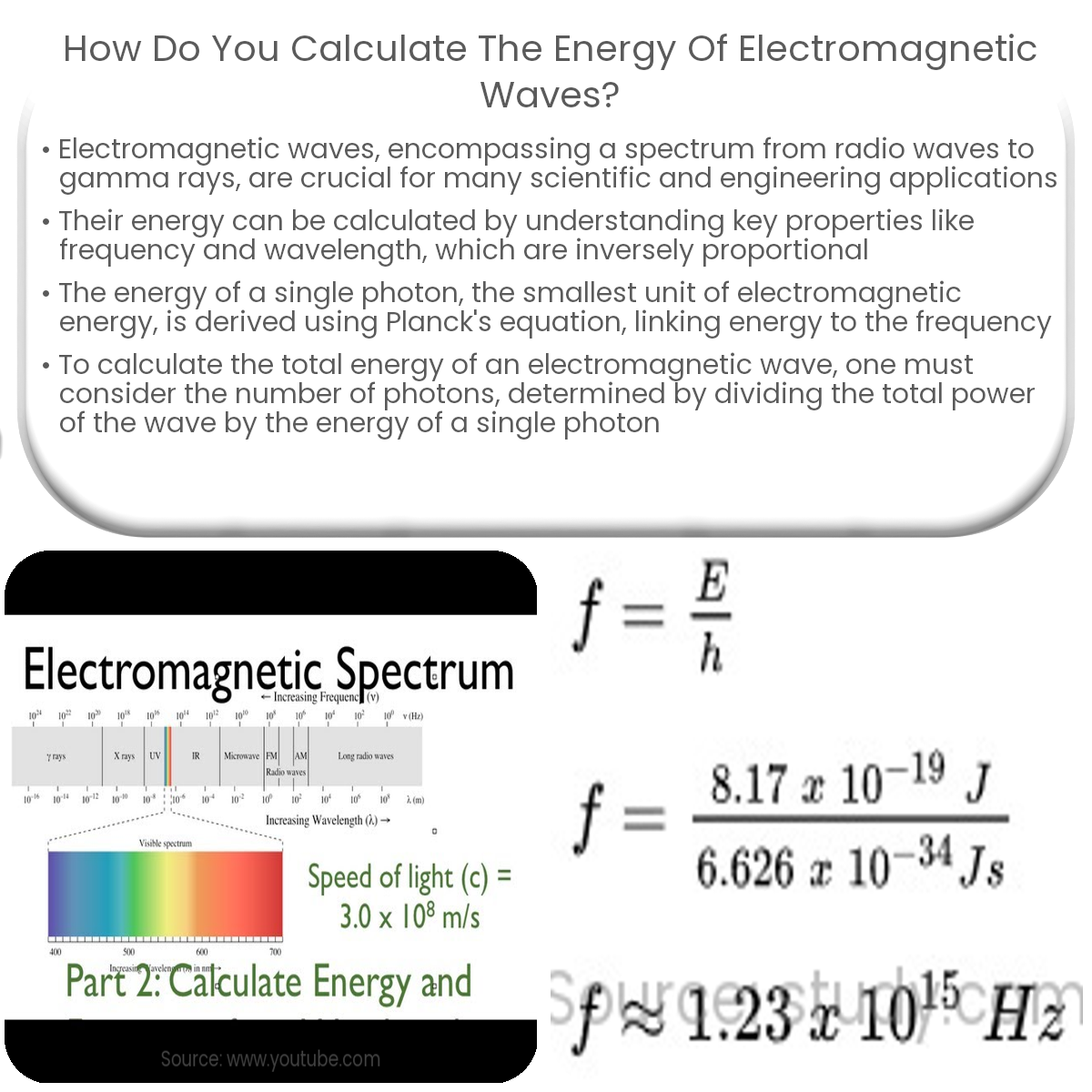
What’s truly surprising is how much energy is carried by waves we can't even see or hear. The Wi-Fi signal connecting your device right now is a wave, constantly bringing you data. The warmth from a microwave oven cooking your dinner is energy from electromagnetic waves. These invisible messengers are tirelessly at work.
And it's not always about brute force. The gentle lapping of waves on a distant shore, though seemingly weak, can over millennia carve out incredible landscapes. The continuous, patient delivery of small packets of energy eventually reshapes continents. It's a heartwarming testament to persistence.
Consider the heartwarming power of a wave of laughter spreading through a room, or a wave of enthusiasm washing over a crowd at a sports game. These are not physical waves, but they carry a very real, palpable energy that can uplift and connect us. We're surrounded by "waves" of human emotion and connection.
So, the next time you feel the sun on your skin, hear your favorite song, or watch the ocean roll in, take a moment to appreciate the fascinating invisible forces at play. You don't need to be a scientist to understand the incredible vitality that waves bring to our world. It's about sensing the oomph, the zing, and the rhythmic beat of everything around us.