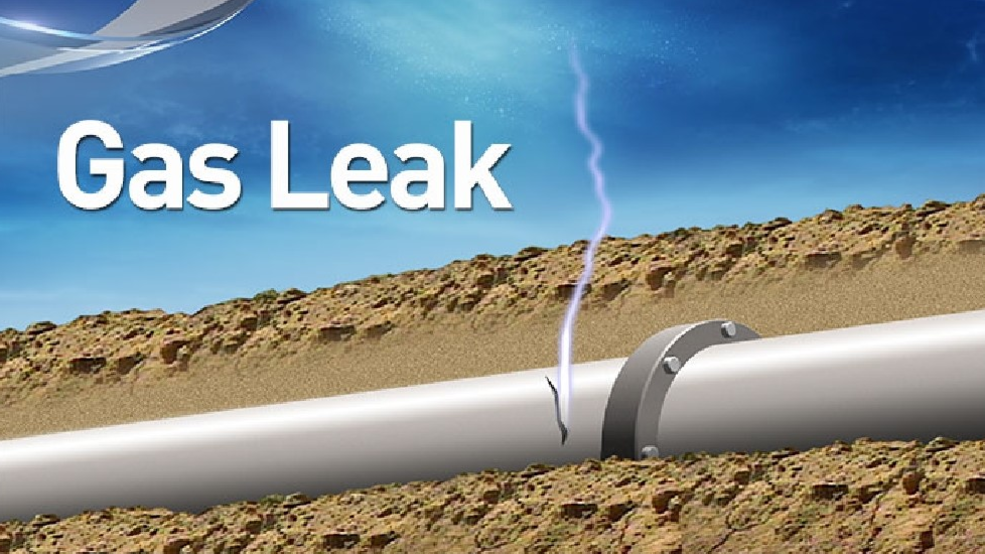
How To Find A Gas Leak At Home
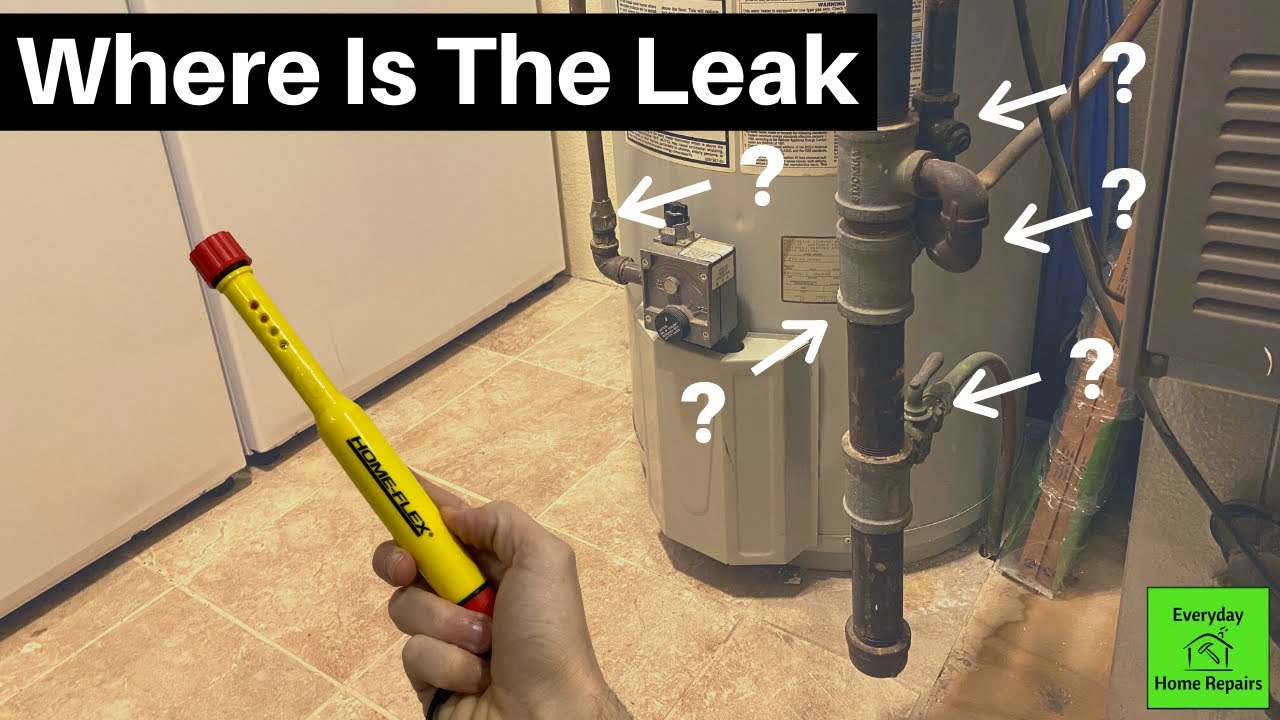
Want to be a home safety superhero? Today we're diving into a crucial, yet surprisingly simple skill: how to detect a gas leak at home. Knowing this can be a lifesaver, and the process can even feel like a fun, low-stakes science experiment!
The purpose? Safety first! Gas leaks, though rare, are incredibly dangerous, leading to health issues, explosions, and fires. Quickly identifying and reacting protects your family, pets, and property. Benefits include peace of mind, prompt action, and averting disaster. Consider this your DIY guide to a safer home.
So, how do you sniff out this invisible intruder? Let's engage our senses:
Must Read
Your nose is key! Natural gas is odorless, but utility companies add mercaptan, giving it a distinct, unpleasant smell – often described as rotten eggs or sulfur. A whiff of this pungent odor, especially near gas appliances, pipes, or meters, is a serious red flag. Trust your nose!
Your ears are next! A gas leak can sometimes produce a subtle hissing or whistling sound as gas escapes from a pipe. Get quiet and listen carefully around gas lines and appliances. An unusual sound warrants investigation.

Next, your eyes! Look for visual clues. Are outdoor plants dying near a gas line? Is there visible damage to pipes or connections? Or dirt blowing/bubbling from the ground near a gas line? These can indicate an underground leak.
Now for the main event, the fun part: The Soapy Water Test! This is your go-to DIY method for finding specific leak points. Here’s how:

- Mix generous dish soap with water in a spray bottle or bowl for a sudsy solution.
- Apply the soapy water to suspected leak areas: pipe connections, valves, and appliance fittings.
- Watch closely! If bubbles form and grow, you’ve found a leak, as escaping gas causes the soap to bubble up.
Crucially, what NOT to do: If you suspect a leak, do not turn on or off any electrical switches, use lighters or matches, or start an engine. These can create a spark that could ignite the gas.
What TO do immediately:
- Evacuate everyone from the home immediately.
- Once safely outside, call your gas company's emergency number or 911.
- If safe and accessible (usually outside, without re-entering), turn off your home's main gas shut-off valve.
- Do not re-enter your home until emergency personnel declare it safe.
Being prepared means being powerful. By knowing these simple steps, you're not just finding a gas leak; you're ensuring the safety and well-being of everyone under your roof. Stay vigilant, stay safe, and be your home's gas-leak-detecting hero!