
How To Fill Air At Gas Station

Alright, let's talk tires! Specifically, how to put a little pep back in their step at the gas station. If the thought of it feels a bit like trying to assemble IKEA furniture without instructions, you're not alone. Many of us have felt that tiny flutter of intimidation when eyeing that big, hissing air pump. But guess what? It’s actually super easy, and once you know how, you’ll feel like a total car-care wizard. Think of it as giving your car a little spa treatment.
Why Even Bother with Tire Air?
Before we dive into the nitty-gritty, let’s quickly chat about why this matters. It's not just some fussy car thing; it genuinely makes a difference, and in some pretty cool ways!
First off, safety first! Imagine trying to run a marathon in squishy, deflated sneakers. Not only would it be slow, but you'd be tripping all over yourself! Your tires are your car's shoes, and when they're properly inflated, they grip the road better, help you brake more effectively, and just make for a much safer, more predictable ride. It’s like having a steady hand on the wheel, even when yours is doing something else.
Must Read
Then there's the magic word: money! Under-inflated tires mean your engine has to work harder, which means it sips more gas. Keeping your tires properly inflated can actually improve your fuel economy. That's like finding an extra five dollars in your coat pocket when you weren't expecting it – free money, just for paying attention!
And speaking of saving cash, correctly inflated tires also last longer. When your tires are saggy, they wear out unevenly, meaning you'll need to replace them sooner. Filling them up is like giving them a longer lifespan, saving you the hassle and expense of new tires down the road. It’s like making your favorite jeans last through another season!

Finally, there's comfort. A car with properly inflated tires just glides smoother. Less bumpy, less rattling, just a generally nicer experience for you and your passengers. It’s the difference between a rickety roller coaster and a gentle cruise.
Okay, I'm In! How Do I Do It?
Right, let’s get down to business. You're ready to tackle that air pump! Here’s your step-by-step, no-sweat guide:
1. Find Your Magic Number (PSI): This is arguably the trickiest part, and it's not even hard! You need to know how much air your tires need. This isn't on the tire itself; that's just the maximum pressure. Look on the driver's side door jamb (when you open the door, it’s on the frame) or in your car's owner's manual. You'll see a sticker that says something like "Tire Pressure: 32 PSI." PSI stands for "pounds per square inch" – it's just the unit of measurement for air pressure. This number is your goal. Write it down or snap a pic!

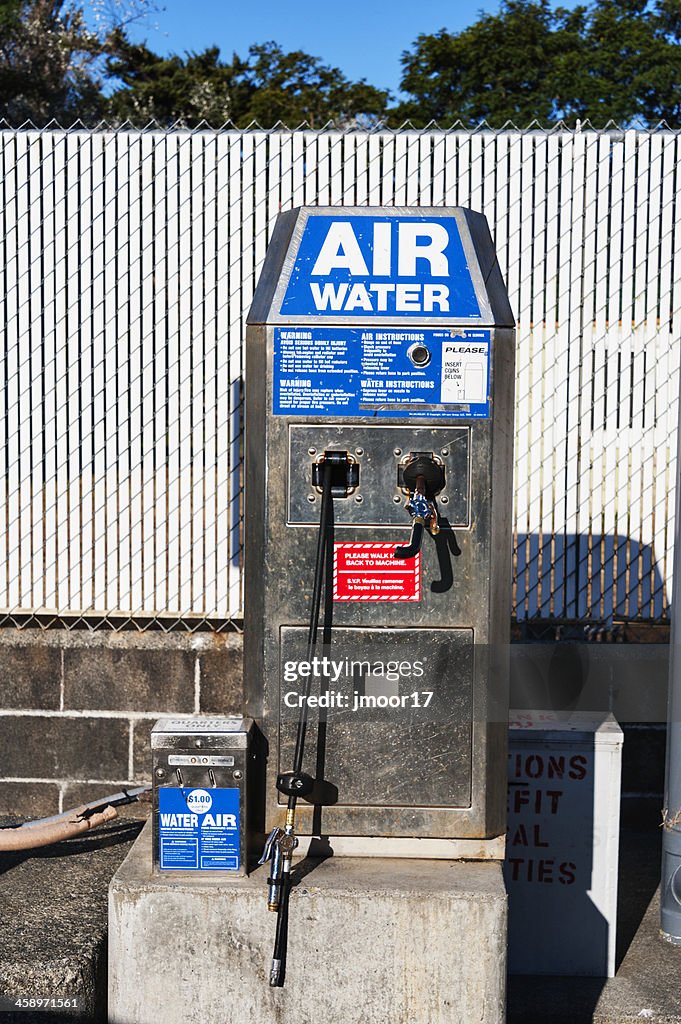
2. Locate the Air Pump: At most gas stations, the air pump is usually tucked away at the side or back of the lot. Sometimes it's free, sometimes it's a dollar or two (have some quarters handy, or a credit card ready). Look for a machine with a long hose and often a digital screen.
3. Pay Up (If Needed): If it requires payment, pop in your quarters or swipe your card. Usually, you get a good chunk of time (5-8 minutes) which is plenty to do all four tires, even if you’re taking your sweet time.
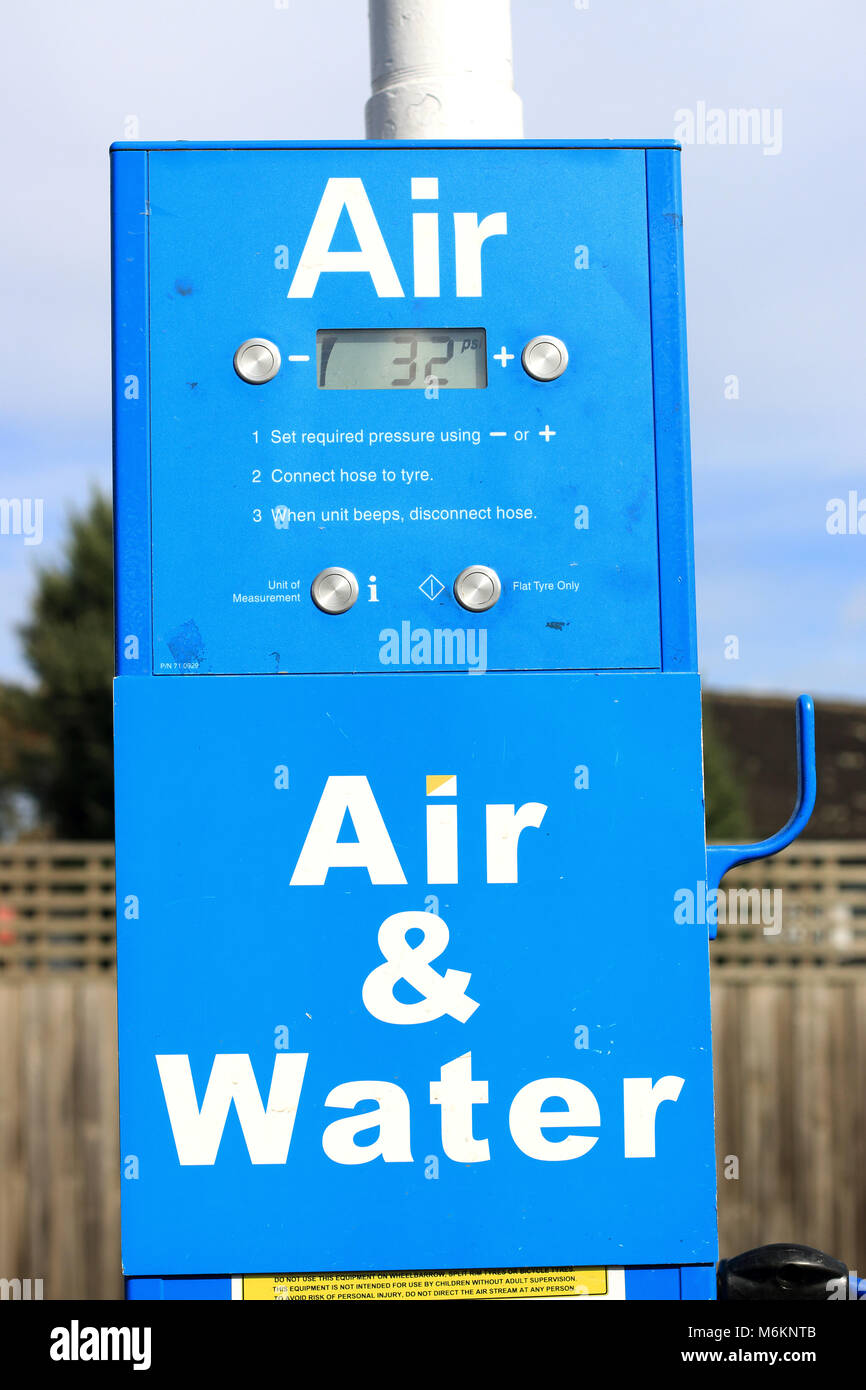
4. Unscrew the Valve Cap: Walk up to your tire. See that little stub of a nozzle sticking out? That's the valve stem. It has a small plastic or metal cap on it. Twist it counter-clockwise ("lefty loosey") to remove it. These caps are tiny and love to roll away, so put it somewhere safe, like your pocket or the car's cup holder!
5. Attach the Air Hose: Pick up the air hose from the machine. It will have a chuck (the part that connects to the valve stem) on the end. Push the chuck firmly onto the tire's valve stem. You'll hear a little hiss – that's totally normal, it just means air is escaping for a second. Hold it on tight. Most modern pumps will automatically detect the pressure and start adding air, displaying the current PSI on a screen. If it's a traditional gauge, you'll need to press a lever.
6. Watch the Numbers: Keep an eye on the screen or the gauge. When it reaches your car's recommended PSI, you're golden! If you accidentally go a little over, don't panic! Most chucks have a tiny nub on the side; if you press it against the valve stem (without the hose attached), it will release a little air. Release small bursts until you hit your number.
7. Remove and Recap: Once you're at the right pressure, pull the air hose chuck straight off the valve stem. There might be a quick, final hiss. Then, grab that little cap you tucked away and screw it back on clockwise ("righty tighty"). This cap keeps dirt and moisture out of the valve, so it's important!
8. Repeat for All Tires: Don't forget to check all four tires, and if you have an easily accessible spare tire (like in the trunk), it’s a good idea to check that one too!
You’re a Tire-Filling Champion!
And there you have it! You've just performed a simple but incredibly important act of car maintenance. It might feel a little awkward the first time, like learning to ride a bike, but you'll get the hang of it quickly. Next time you see that air pump, you won't flinch. You'll stride up with confidence, knowing you’re doing something smart for your car, your wallet, and your peace of mind. Go you!