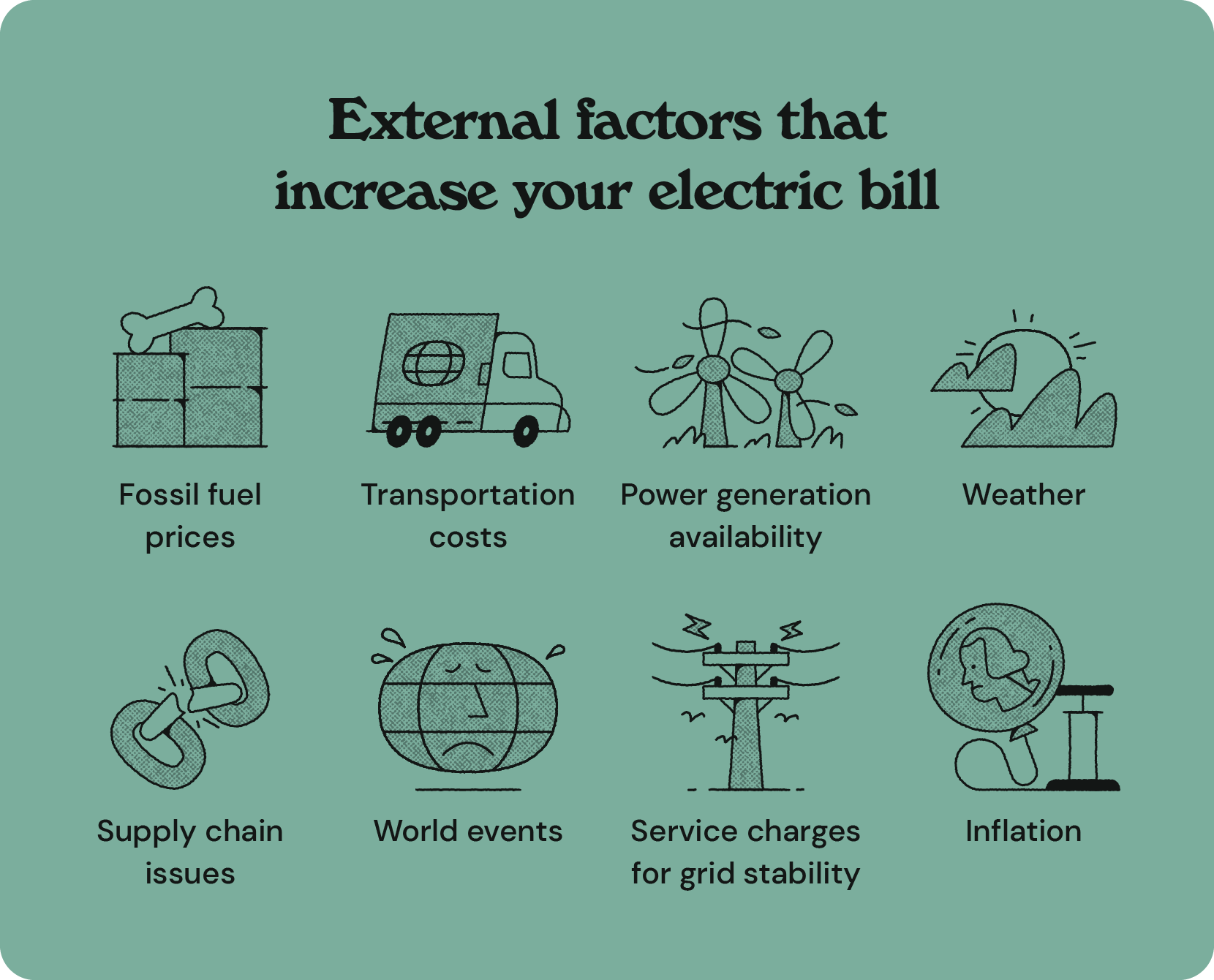
How To Figure Out Why Electric Bill Is So High
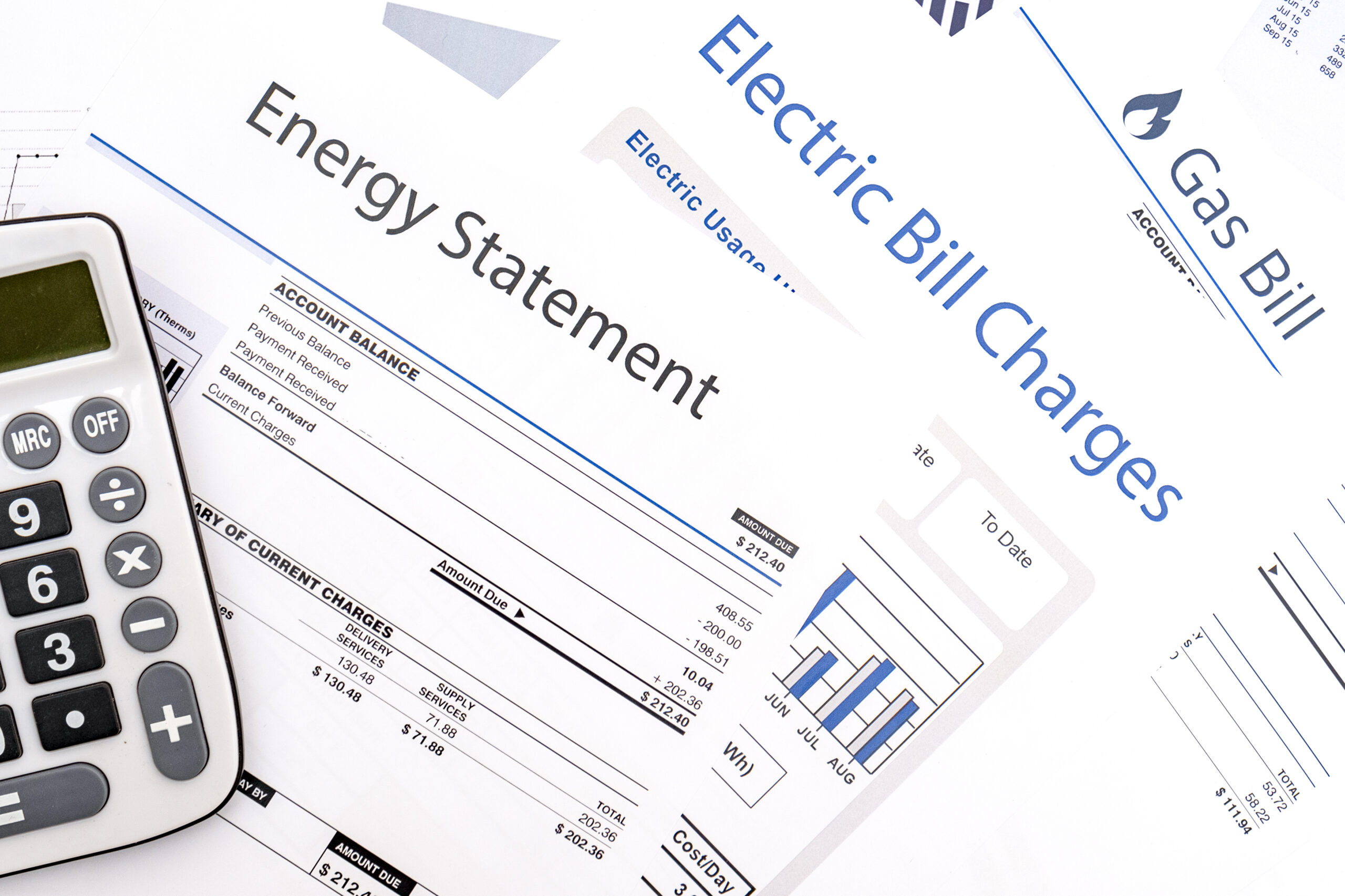
Okay, let's talk electric bills. We've all been there. You open that envelope (or, let's be honest, click that email), see the number, and think, "Whoa! Did I accidentally power a small town this month?!" It's a universally relatable moment of mini-panic. And while wishing it was a typo is tempting, let's figure out why your electric bill is suddenly resembling a mortgage payment.
Why should you care? Well, besides the obvious (keeping money in your pocket!), understanding your energy consumption is good for the planet too! Think of it as detective work, but instead of catching a criminal, you're catching energy vampires and saving the world… one lightbulb at a time. Dramatic? Maybe. True? Absolutely!
Step 1: Compare and Contrast (Like a Scientist!)
First things first: comparison is key. Don't just stare blankly at the current bill. Grab the bills from the past few months, or even the same month last year. See if there's a noticeable spike. Was it unusually hot or cold recently? Did you have houseguests who left all the lights on (we've all been there!)? A sudden jump is a big clue!
Must Read
Think of it like this: imagine you're baking cookies. If you suddenly need twice the amount of flour than you usually do, something's definitely up with your recipe or baking process. Your electric bill is your "energy recipe," and a big increase in usage means something in your "energy recipe" is off.
Step 2: The Usual Suspects (Appliance Edition)
Now, let's play "Energy Culprit Roundup." Common culprits for high energy bills include:
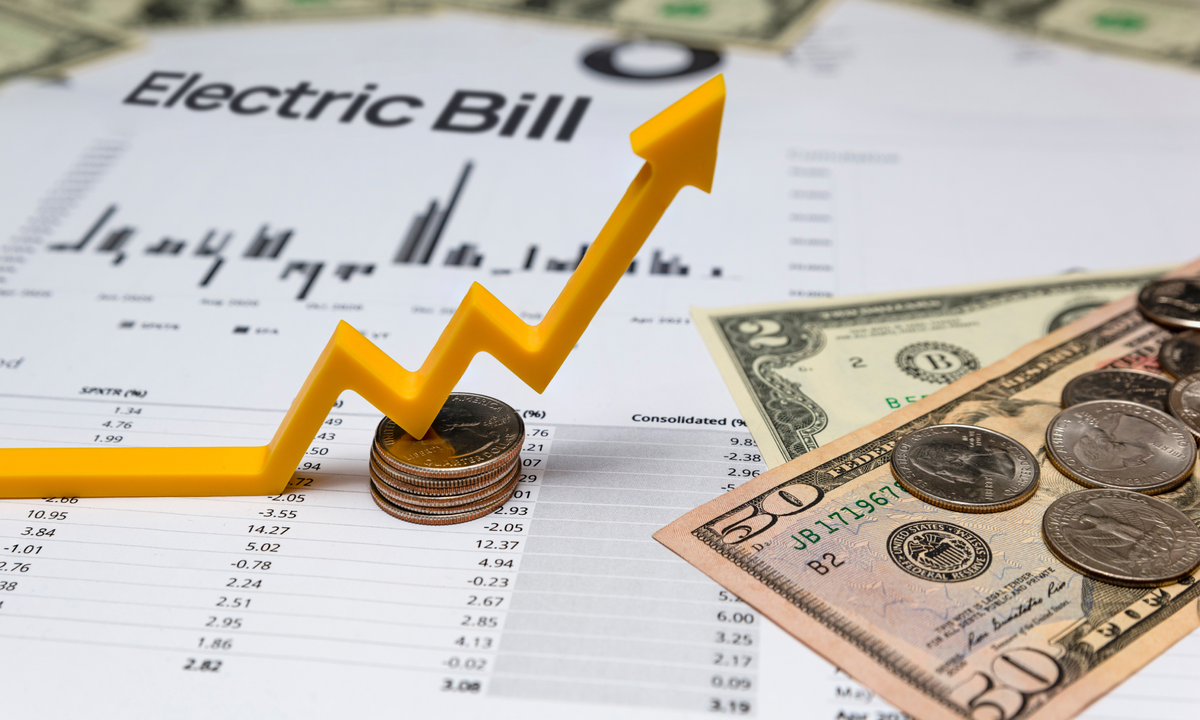
- Air Conditioning and Heating: These are the heavyweight champions of energy consumption. Running your AC full blast on a scorching summer day or cranking up the heat in the dead of winter is a guaranteed way to inflate your bill. Smart thermostats are your friend here! They can learn your habits and adjust the temperature automatically, saving you money without sacrificing comfort.
- Old Appliances: That refrigerator from the 80s might be a vintage masterpiece, but it's probably also an energy guzzler. Older appliances are generally less energy-efficient than newer models. Consider upgrading to Energy Star-certified appliances when possible. Think of it as an investment in your future (and your wallet!).
- Water Heater: Heating water takes a lot of energy. Check your water heater's temperature setting. A setting of 120°F is usually sufficient. Also, consider insulating your water heater to prevent heat loss.
- Lighting: Those old incandescent light bulbs are like tiny money-burning machines. Switch to LEDs! They use significantly less energy and last much longer. It’s a small change that makes a big difference.
- "Phantom Loads": These are the energy vampires we mentioned earlier. They're the electronics that continue to draw power even when they're turned off. Think TVs, computers, chargers, etc. Unplug them when you're not using them, or use a power strip with an on/off switch.
Step 3: Become a Home Energy Detective
Time to put on your detective hat and investigate! Walk around your house and observe. Are there any drafts coming in through windows or doors? This means your heating or cooling system is working harder to compensate. Sealing those gaps with weather stripping or caulk can make a big difference. Imagine patching up holes in a leaky bucket – it’s the same principle!
Also, pay attention to your usage habits. Are you leaving lights on in rooms you're not using? Are you running the dishwasher or washing machine with small loads? Simple changes in behavior can add up to significant savings.
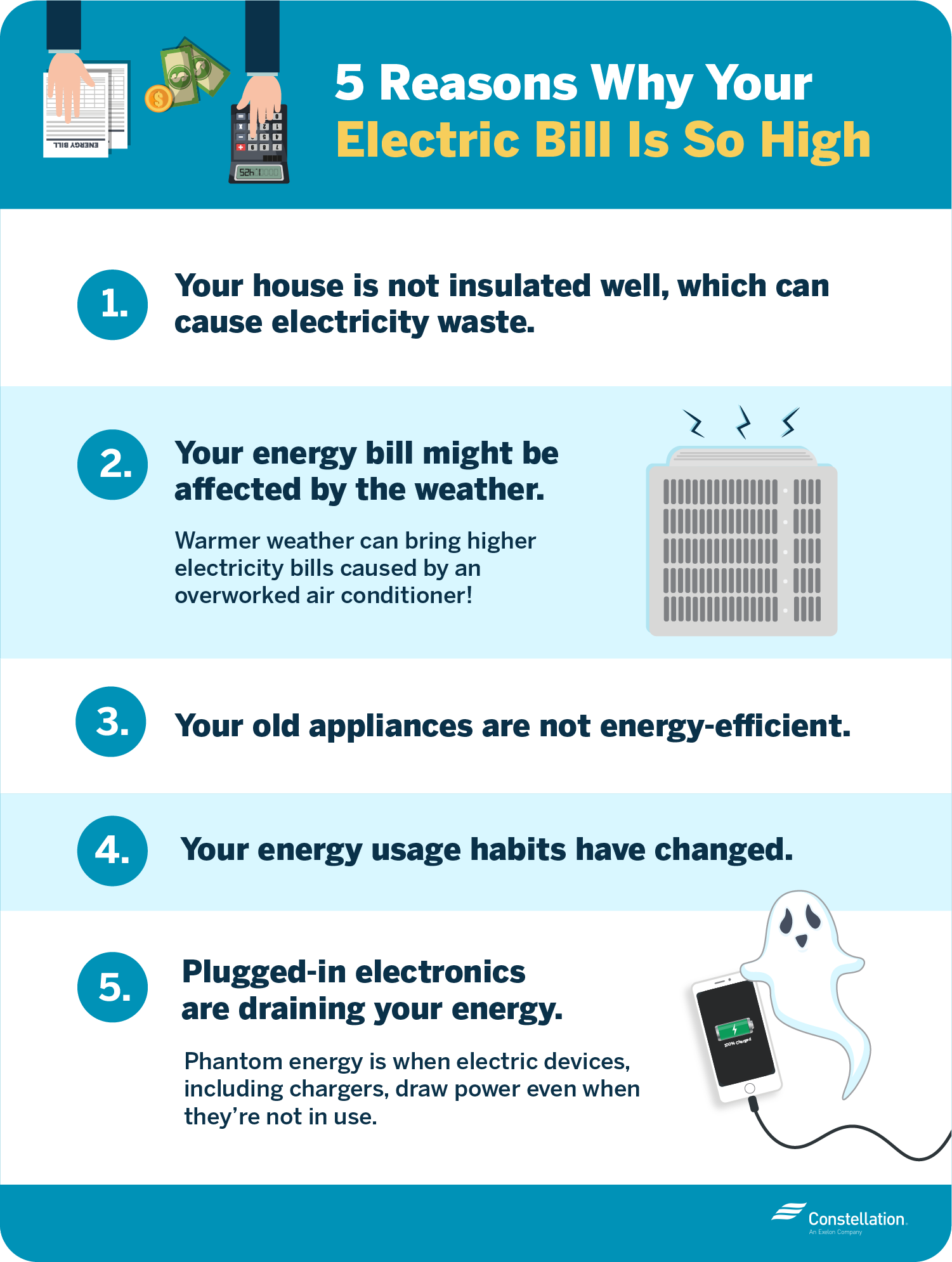
Bonus tip: Consider getting a home energy audit. Many utility companies offer free or low-cost audits that can identify areas where you can improve your energy efficiency. It's like getting a professional to diagnose your home's energy "health."
Step 4: Contact Your Utility Company
If you've tried all of the above and your bill is still mysteriously high, don't hesitate to contact your utility company. They can check for meter malfunctions or billing errors. They might also be able to provide you with more detailed information about your energy usage.
Think of it as calling in the experts. Sometimes, you just need a professional opinion to solve the mystery.
In Conclusion: You've Got This!
Figuring out why your electric bill is so high might seem daunting, but it's definitely manageable. By comparing bills, identifying potential culprits, becoming a home energy detective, and contacting your utility company if needed, you can take control of your energy consumption and save money. Remember, every little bit helps – and you’ll feel good knowing you’re helping the planet too!
So, go forth and conquer that electric bill! You’ve got this!