
How To Drive Safely In The Snow

Okay, picture this: it’s the first real snowfall of the season. You know, the kind where everything looks magically pristine for about five minutes before it turns into a slushy, grey nightmare. I was out getting coffee – because priorities, right? – and I saw that guy. You know the one. He's in a massive SUV, probably with all-wheel drive, absolutely flooring it down a residential street, rooster-tailing snow from his tires like he's auditioning for a rally cross. Then, predictably, he had to slam on his brakes for a yield sign, and his whole vehicle just did this little awkward shimmy. He looked startled. I just sighed, sipped my coffee, and thought, "Buddy, you're doing it all wrong."
And that, my friends, is why we're having this little chat. Because while a fresh blanket of snow can be gorgeous, it also turns our roads into a slip-n-slide obstacle course. Driving in it isn't just about getting from A to B; it's about getting there safely, without becoming "that guy" or, worse, involved in an entirely avoidable fender bender. So, let’s talk about how to navigate winter's wonderland without turning it into a winter's woopsie-daisy. Shall we?
Prep Your Ride (and Your Head), Folks!
Before you even think about hitting the ignition, a little forethought goes a long way. This isn't just about your car; it's about your brain too. Seriously.
Must Read
First up: Tires. Are yours bald? If so, you're basically driving on slicks, and that's a recipe for disaster. Think about winter tires if you live in a place that gets real snow. They’re not just a suggestion; they’re little grippy superheroes. Also, check your tire pressure – cold weather drops it, affecting performance.
Next, the essentials: make sure your wipers are good, your washer fluid is topped up (and winterized!), and your defroster works. And for the love of all that is holy, clear all the snow off your car. Not just a peephole on the windshield. We're talking roof, hood, lights, mirrors, side windows. That snow flying off your roof at 50 mph isn't just annoying; it's a hazard for everyone else. Don't be that guy (again!).

And your head? Patience, my friend, patience. Give yourself extra time. Assume every other driver is a bit of an idiot. And remember, the goal is safe arrival, not setting a new land speed record.
The Art of Gentle Driving (It's a Ballet, Not a Brawl)
This is where most people go wrong. Snow driving isn't about brute force; it's about finesse. Think gentle touches, not heavy handedness.
Slow and steady wins the race. No, really. Every input you make – accelerating, braking, steering – needs to be slower and smoother than usual. Imagine there's an egg under your gas pedal and another under your brake pedal. You don't want to crack them, right? Good. Feather-light movements are your mantra.
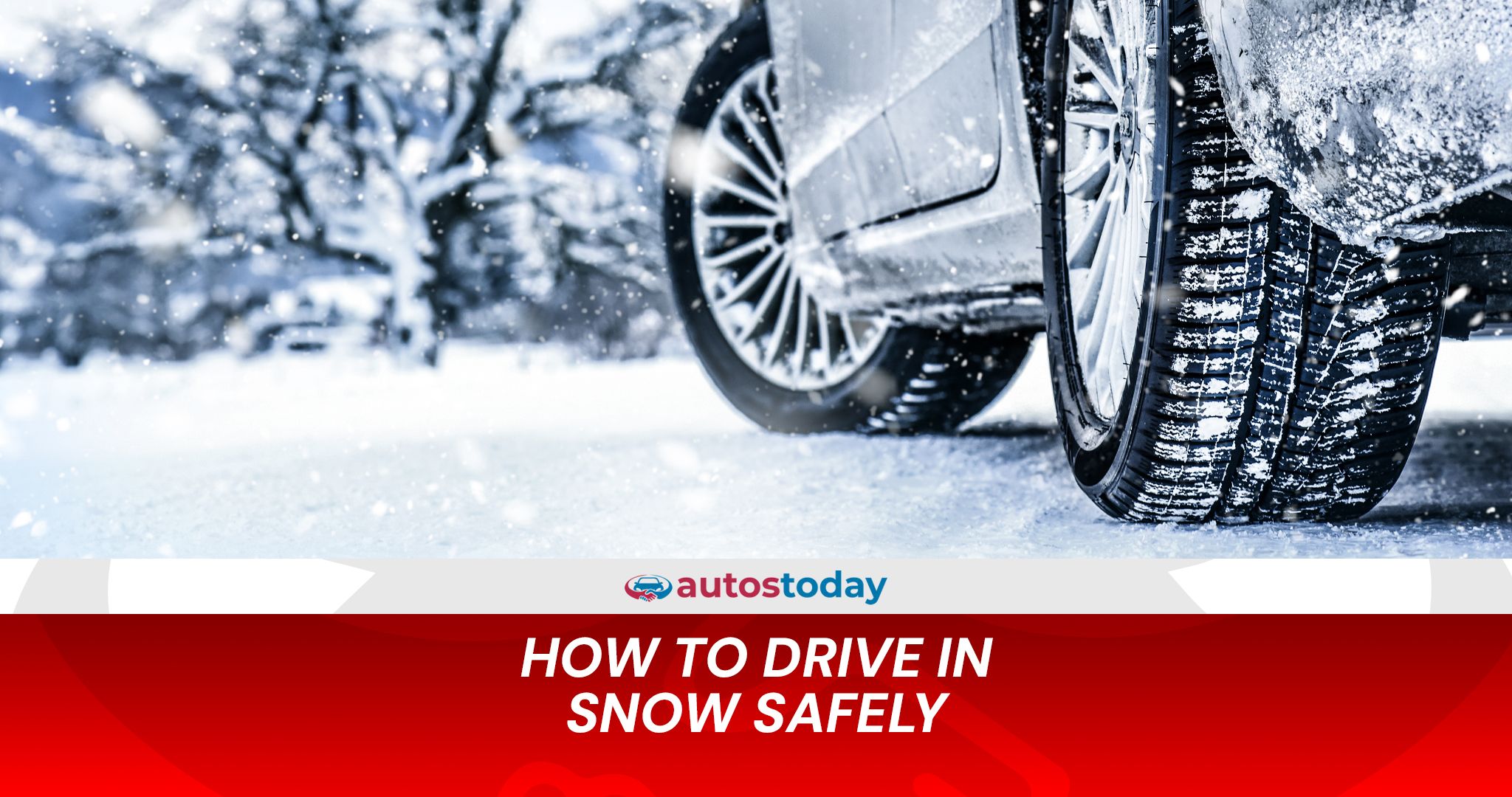
When you accelerate, do it gradually. If your wheels spin, you're pushing too hard. Ease off the gas, let them catch, and try again. For braking, the same principle applies. Brake earlier and more gently. If your car has ABS (anti-lock brakes), you'll feel a pulsation if they engage. Don't panic; just keep steady pressure. If you don't have ABS, a gentle "pump" motion helps prevent locking up. And please, for the love of pizza, do not slam on your brakes unless it's a truly dire emergency. You'll just slide.
Turning is another delicate dance. Slow down significantly before you enter the turn. Steer gently and consistently through the curve, then gently accelerate out of it. Jerking the wheel is a recipe for losing traction and potentially doing an unplanned pirouette.
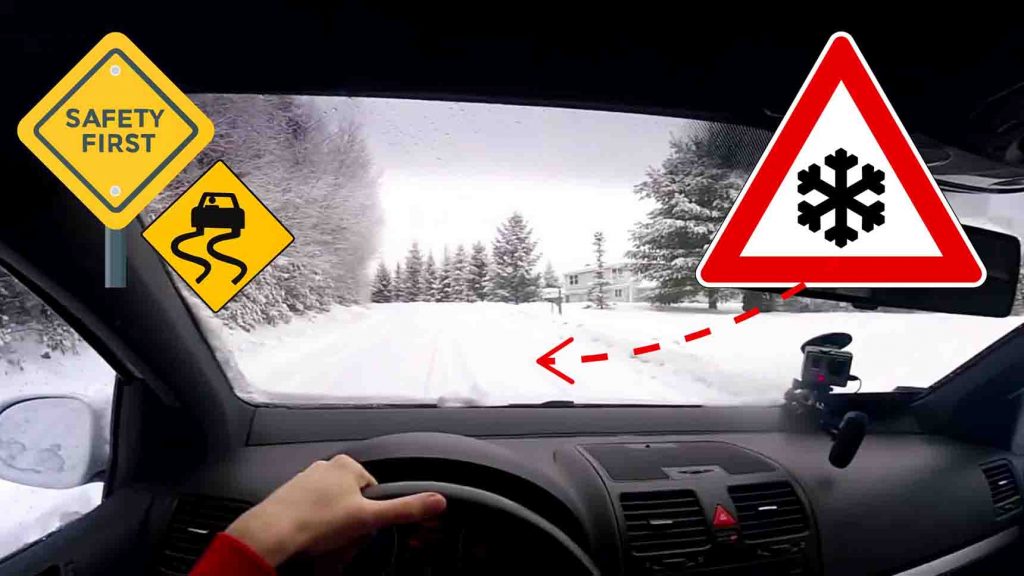
See and Be Seen (It's Not Just About You)
Visibility is king in snowy conditions. If you can't see, you can't react. If others can't see you, well, you get the picture.
Lights on, always. Even if it's broad daylight, if there's snow falling or snow on the ground, switch your headlights on. Not just your daytime running lights, but your actual headlights. This makes you much more visible to other drivers.
And speaking of seeing, remember that huge pile of snow you cleared off your car? Good. Keep your windshield and all windows clear. Use your defroster and defogger. There's nothing worse than driving blind because your windows are fogged up or covered in a fresh layer of snow.
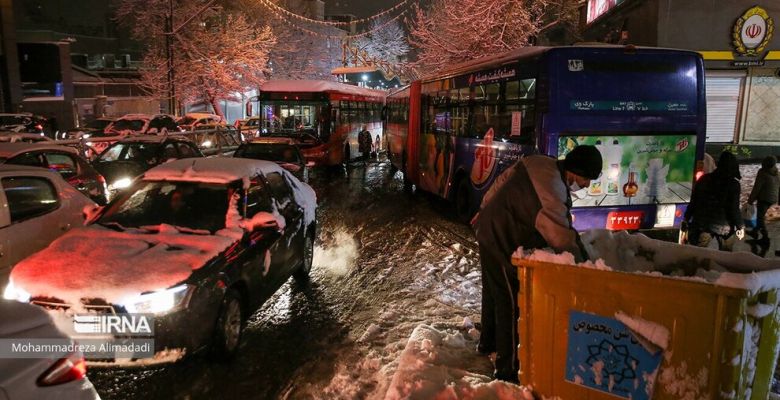
Finally, maintain distance. A lot of it. The general rule is to double or triple your normal following distance in adverse conditions. On snow and ice, you might need even more. Think of it as your own personal "snow bubble" of safety. It gives you more time to react if the car in front suddenly slips or stops.
What NOT To Do (Seriously, Don't. Just Don't.)
Let’s quickly cover the big no-nos:
- Don't tailgate. We just talked about distance. This is related.
- Don't get overconfident with 4WD/AWD. Yes, it helps you go in the snow, but it does absolutely nothing to help you stop or turn any better. It's a false sense of security for many.
- Don't drive distracted. Snow driving requires 100% of your attention. Put the phone away. Seriously.
- Don't make sudden movements. Remember the ballet? No sudden jerks, slams, or swerves.
Driving in the snow can be intimidating, especially for those who don't do it often. But with a little preparation, a lot of patience, and a healthy dose of respect for the conditions, you can navigate winter's worst like a pro. So, next time the flakes start to fall, you won't be "that guy." You'll be the smart, safe driver, probably sipping your coffee, watching others learn the hard way. Stay safe out there!