
How To Do A Voltage Drop Test

Ever had a flashlight that just wasn't as bright as it used to be, even with fresh batteries? Or maybe your car's headlights seem a little dim, or a charging cable feels sluggish? What if I told you there's a fascinating, almost detective-like skill you can learn to uncover the hidden culprit behind these electrical woes? It's called a voltage drop test, and trust me, it’s much cooler and less intimidating than it sounds.
Think of your electrical system like a super-efficient highway for tiny, energetic workers (electrons). They zoom along, delivering power to all your gadgets and gizmos. But what happens if parts of that highway get old, corroded, or just plain tired? These little workers might struggle to get through, losing some of their "oomph" along the way. That lost "oomph" is, simply put, voltage drop.
So, What Exactly IS Voltage Drop?
Imagine a garden hose. When you turn on the faucet, water rushes out with good pressure. Now, imagine a tiny kink in that hose, or maybe it's super long and narrow. The water still comes out, but with much less pressure, right? It's lost some of its pushing power from the faucet to the nozzle. In electrical terms, voltage is that pushing power (like water pressure), and a voltage drop is the loss of that pressure as electricity travels through a wire or component.
Must Read
It’s a natural phenomenon – all wires have some resistance, especially over distance. But when that drop becomes significant, it's a signal that something is amiss. It’s like your car's engine not getting enough fuel pressure; it might still run, but it won't be performing at its best.
Why Should You Care About This "Lost Oomph"?
This is where it gets interesting! A significant voltage drop isn't just an electrical curiosity; it's a hidden villain that can cause all sorts of problems:
- Dim Lights: Whether in your car or home, lights might not shine as brightly as they should.
- Sluggish Performance: Motors (like your car's starter motor or a fan) might run slower or weaker.
- Overheating: The "lost" electrical energy often turns into heat, which can damage wires or components and even create fire hazards. Yikes!
- Battery Drain: If your charging system has excessive drop, your battery won't charge as efficiently, leading to a shorter lifespan.
- Inaccurate Readings: Sensors might give faulty readings if they aren't getting the right voltage.
Basically, anything electrical that's not performing up to snuff could be suffering from voltage drop. And you, my friend, can be the one to unmask the problem!
Becoming an Electrical Detective: How It Works (The Chill Version)
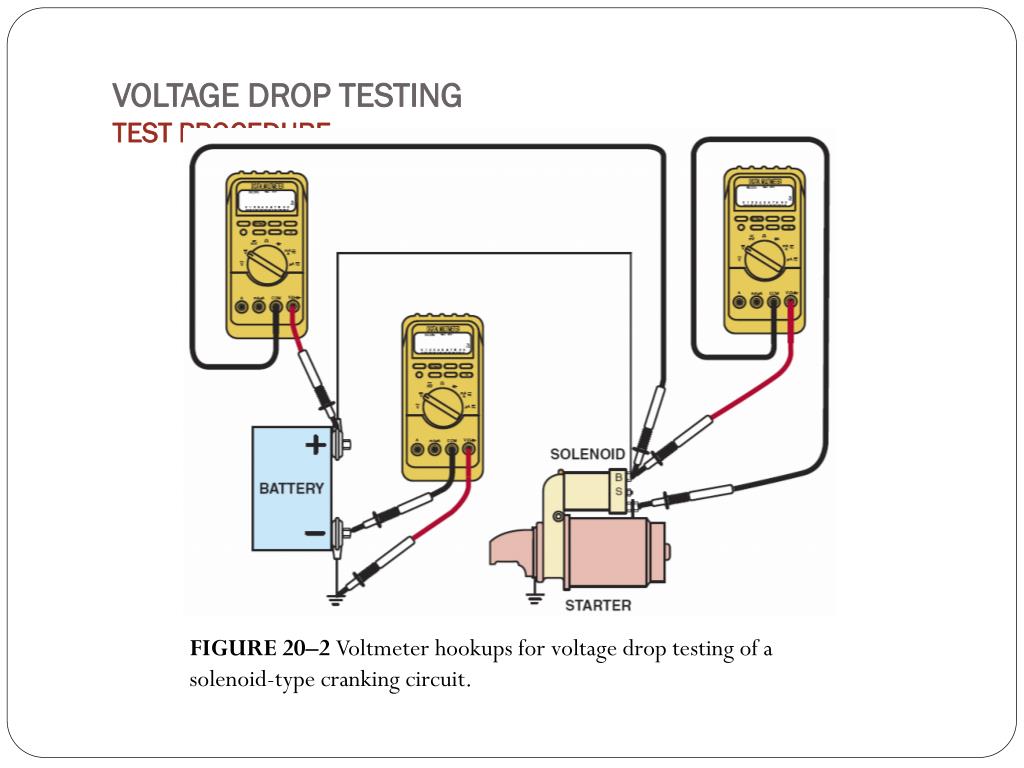
To do a voltage drop test, you don't need a degree in electrical engineering. You just need a trusty sidekick: a multimeter. This gadget is like a universal translator for electricity, able to measure different aspects of its behavior. You’ll also need something to create a "load" – meaning, whatever electrical device you're testing needs to be on and drawing power.
Here’s the super simplified idea:

1. The "Before" Measurement: You measure the voltage at the source (like the battery or power outlet). This is your reference point – how much "oomph" you should have.
2. The "After" Measurement: You measure the voltage at the load (the light bulb, the motor, etc.). This tells you how much "oomph" actually made it to the destination.
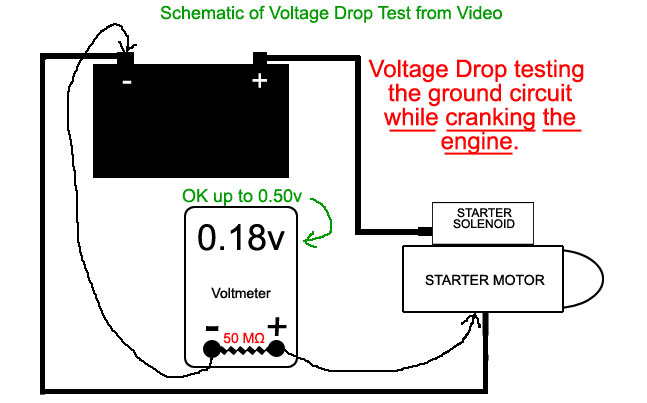
3. The "Across the Wire" Measurement (The Real Detective Move): This is the crucial part for a dedicated voltage drop test. Instead of measuring from a positive to a negative point, you measure the voltage across a specific wire or component while current is flowing through it. You put one multimeter lead at the beginning of the wire and the other at the end. Any voltage reading you get here is the voltage drop for that specific segment.
4. The Calculation: The difference between your source voltage and your load voltage is the total voltage drop in that circuit. Or, even better, the reading from step 3 tells you the drop in that specific segment of wire. If it's more than a small, acceptable amount (usually a few tenths of a volt, or maybe 3-5% for a whole circuit), then you've found your culprit! It's like finding the exact kink in the hose.
For example, if your car battery reads 12.6 volts, but the headlights only see 11.5 volts, you've got a 1.1-volt drop. That's a significant loss of brightness! By measuring across different sections of wire leading to the headlight, you can pinpoint exactly where that 1.1-volt loss is happening – maybe a corroded connector, a frayed wire, or a faulty switch.

Why It's So Cool (and Empowering!)
Doing a voltage drop test transforms you from a baffled bystander into an electrical Sherlock Holmes. You're not just guessing; you're measuring the invisible flow of electrons and pinpointing exactly where the energy is being squandered. It’s incredibly satisfying to diagnose a tricky problem, especially when it saves you time, money, or even prevents a potential safety issue.
It helps you understand the hidden lifeblood of your gadgets, vehicles, and home. It teaches you that every connection, every length of wire, and every component plays a role in the grand electrical symphony. And when one instrument is out of tune, you'll know how to find it and, perhaps, even fix it!
So, next time something electrical feels a bit "off," remember the voltage drop test. It's not just about numbers on a screen; it's about understanding energy, troubleshooting like a pro, and keeping your electrical world running smoothly. Pretty cool, right?