
How To Do A House Inspection
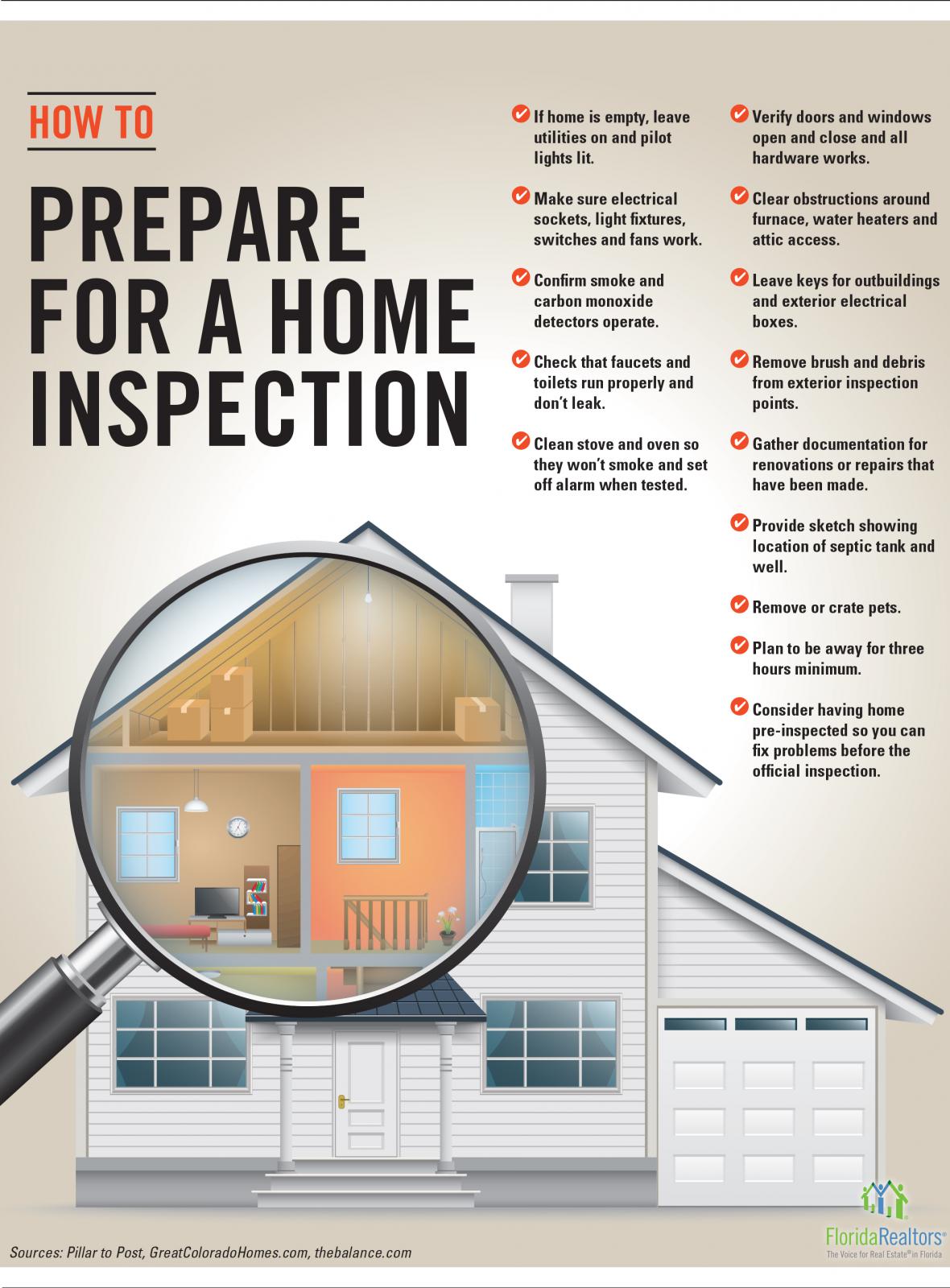
Okay, so you’ve been scrolling through listings, right? Found a place that makes your heart do a little happy dance? Maybe it’s got that perfect porch swing, or a kitchen island big enough to host a small country. Dreamy, right? But before you start picking out paint swatches, there’s a crucial step that’s less "dreamy" and more "detective work": the house inspection. And no, you don't always need a magnifying glass, but a good flashlight? Absolutely.
Think of it like this: you wouldn't buy a car without popping the hood, would you? The same goes for what might just be the biggest purchase of your life! Sure, you can hire a pro (and you should!), but knowing what to look for yourself gives you an extra layer of superpower. You’ll walk in feeling empowered, not just... overwhelmed.
First Impressions: The Outside Story
Alright, let’s start from the curb, shall we? Take a deep breath. Does anything immediately scream, “Help me, I’m falling apart!” No? Good. Now, let’s get a little closer.
Must Read
The Roof: Your Home’s Hat. Is it slouching? Are there missing shingles? Granules piling up in the gutters (a sign your shingles are aging faster than a celebrity in a reality show)? Any visible sagging? This isn't just about looking pretty; a leaky roof is a major headache and a major expense. Don’t be shy, grab those binoculars if you need to!
Gutters and Drainage: The Tears of the House. Are they clear? Clogged gutters can cause water to back up, ruining fascia boards, and sending water straight to your foundation. Not good. Also, check if the ground slopes away from the house. If it slopes towards it, guess where rainwater is heading? Yep, right into your basement or crawl space. Cue the sad violin music.

Siding and Paint: The Skin. Peeling paint? Rotting wood? Cracks in stucco or brick? These aren't just cosmetic boo-boos. They can be gateways for moisture, pests, and all sorts of nasties. Look for discolored areas, too – sometimes a dark patch is just dirt, but sometimes it’s mold having a party.
The Foundation: The Big Boss
Okay, this is where things get serious. Your foundation is literally what holds your house up. Are there large cracks? We're talking wider than a credit card here. Hairline cracks are often normal, but big ones can signal something more sinister. Look for bowing walls in the basement, or uneven floors upstairs. Step on them; does it feel springy? Like walking on a trampoline? That's not ideal.
![Free Printable Home Inspection Checklist Templates [Word, Excel]](https://www.typecalendar.com/wp-content/uploads/2023/06/Home-Inspection-Checklist-1536x864.jpg)
Check for signs of water in the basement or crawl space. Musty smells, water stains, efflorescence (that white powdery stuff on concrete walls)? These are all red flags screaming, "I have a water problem!"
Inside Out: Systems & Shenanigans
Now, let's head indoors. This is where you become a true investigator.
Plumbing: The Water Works. Turn on every single faucet. Check water pressure. Is it a strong stream or a sad dribble? Flush every toilet. Listen. Any weird gurgling? Look under sinks for leaks or water stains. Peer into the water heater area – any rust or puddles? If the hot water runs out faster than your patience on a Monday morning, that's worth noting.

Electrical: The Zap Zone. Test a few outlets with a small nightlight or phone charger. Do they all work? Flip a few light switches. Are there any exposed wires? Old, two-pronged outlets might mean outdated wiring, which isn't necessarily a deal-breaker but definitely a budget consideration. Look at the electrical panel – is it ancient? Are there any scorched areas or weird smells? A healthy fear of electricity is a good thing here.
HVAC: The Climate Control. What kind of system is it? How old? Turn on the heat, then the AC. Does it kick on? Does it blow hot or cold air? Does it sound like a jet engine taking off? Check the air filters – a super dirty filter can mean the system hasn't been maintained, which could lead to bigger issues down the line.
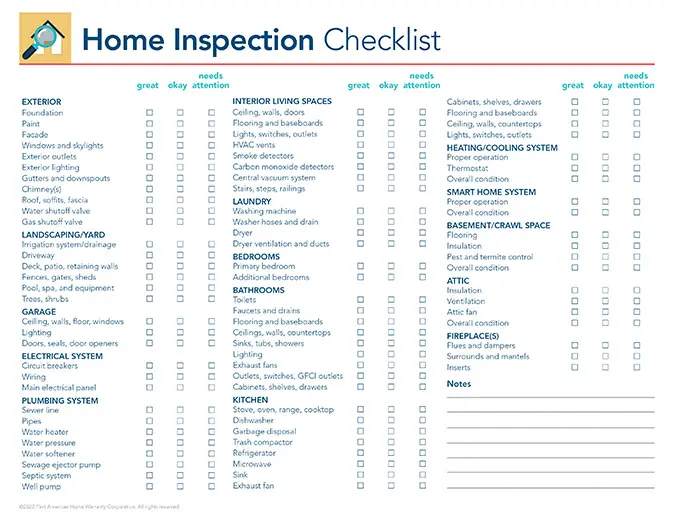
The Nitty-Gritty Details
Don’t forget the smaller, yet still important, things that can add up.
- Windows & Doors: Do they open and close easily? Do they latch? Are there any broken seals (that foggy look between panes)? Any drafts?
- Walls, Ceilings & Floors: Look for stains, cracks, or sagging. Are there any mysterious patches of fresh paint over what looks like an old water stain? Hmm... suspicious!
- Appliances (if included): Do they all work? Give them a quick test run.
Your Gut Feeling: The Ultimate Tool
Honestly, one of your best inspection tools is your gut feeling. Does anything just feel... off? Does it smell musty, smoky, or like pet accidents? Does any area feel strangely damp or cold? Take notes, snap photos, and don't be afraid to ask questions. Lots of questions.
Remember, you're not trying to become a certified inspector overnight. You're just doing your due diligence, being an informed buyer, and making sure that dream home doesn't secretly come with a nightmare attached. Knowledge is power, my friend, and a little bit of playful prodding can save you a whole lot of headache (and cash!) later on. Happy house hunting, and may your inspection be boringly perfect!