
How To Determine What Size Ceiling Fan I Need

Ever bought something online, perfectly convinced it was the right size, only for it to arrive and make you wonder if you accidentally ordered the miniature version? Or, conversely, a behemoth that barely fits through the door? Yeah, me too. It’s like when I thought that "cute little fan" would totally cool my surprisingly spacious living room. Spoiler alert: it mostly just swirled the warm air around its own tiny radius, like a lonely hummingbird trying to cool a warehouse.
That frustration? That feeling of wasted money and still being too hot (or looking ridiculous)? It’s exactly why figuring out the right size ceiling fan is so darn important. It's not just about aesthetics, folks; it's about actual airflow and getting the most bang for your buck. You don't want a fan that's too small making you feel like you're standing behind a butterfly's wing, nor one so large it creates a permanent vortex in your dining room.
Why Size Matters (No, Really!)
Think of it this way: a ceiling fan doesn't cool the air itself (that's an AC's job), but it creates a wind-chill effect on your skin. For that to happen effectively, the fan needs to be able to move a sufficient volume of air for the space it's in. Too small, and it's practically useless. Too big, and you're paying for power and blades you don't need, potentially creating an uncomfortable draft.
Must Read
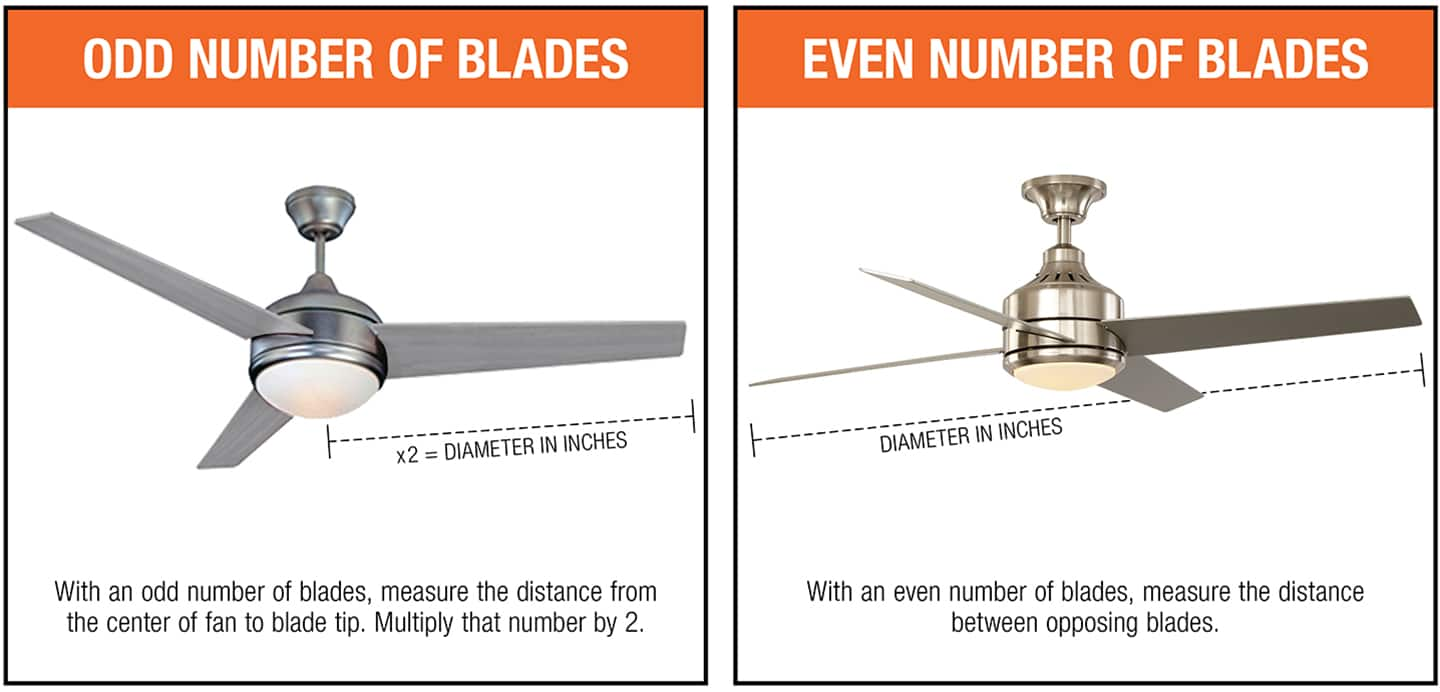
The key measurement here isn't the whole fixture, but the blade span (also sometimes called sweep). This is the diameter from the end of one blade to the end of the opposite blade, passing through the motor housing.
Let's Get Measuring (Don't Worry, No Advanced Math Required)
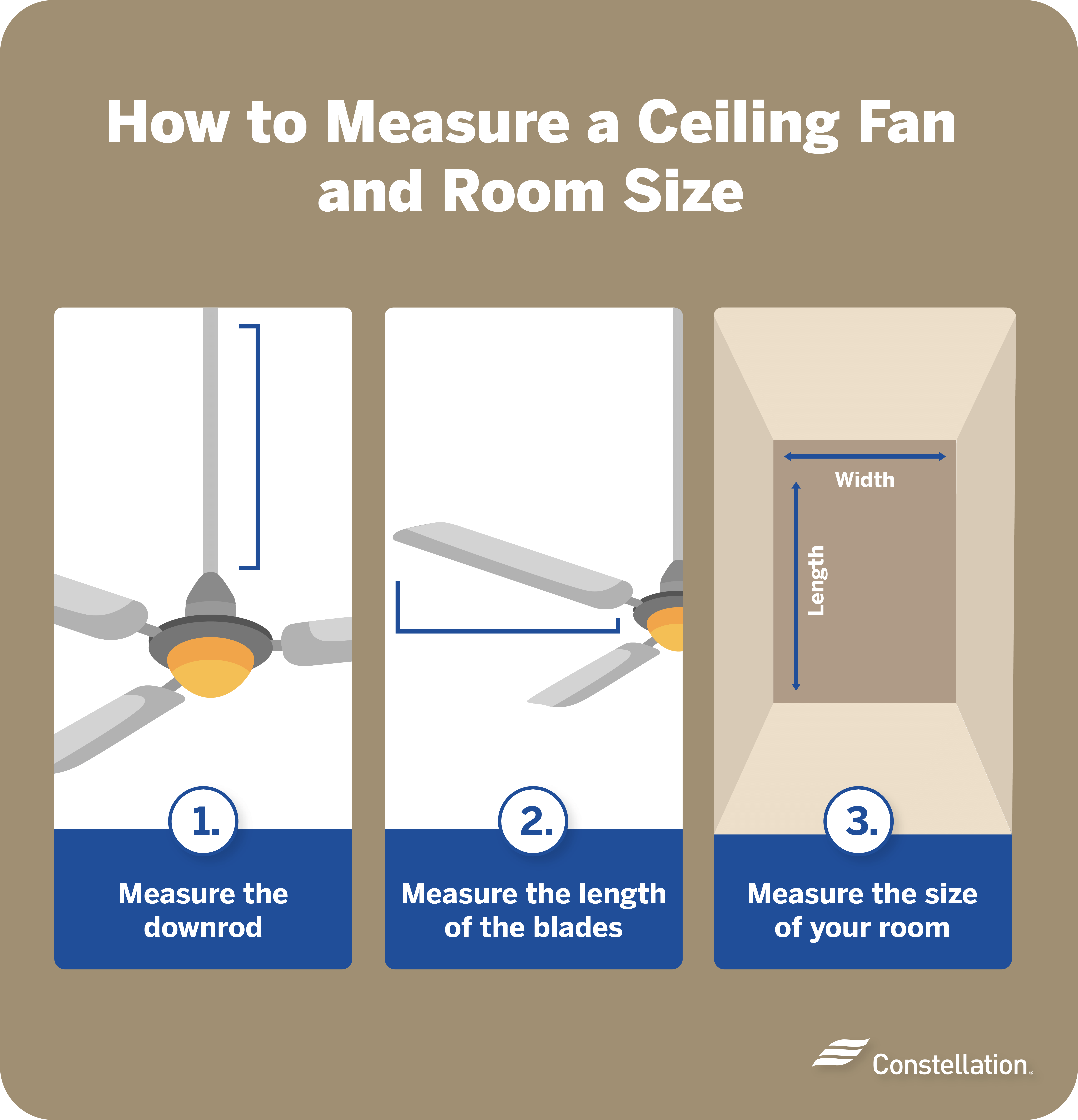
First things first, grab a tape measure! We need to know the size of the room you're trying to cool. Don't eyeball it; seriously, just take two minutes. Measure the length of the room and the width. Then, multiply them together to get your room's square footage.
So, if your room is 10 feet long and 12 feet wide, that's 10 x 12 = 120 square feet. Easy, right?
The Cheat Sheet: What Fan Size for What Room?
Now that you have your magical square footage number, here’s a handy guide to determine the ideal blade span for your new ceiling fan. This is where the rubber meets the road, or rather, where the blades meet the air!
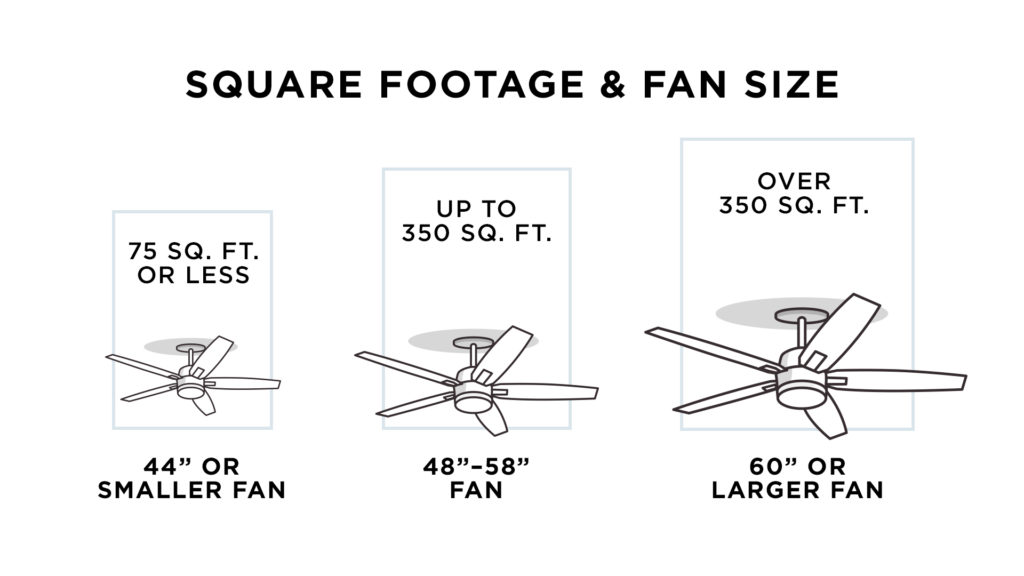
Small Rooms (75 square feet or less): Think powder rooms, tiny offices, or cozy nooks. You'll generally want a fan with a 29-inch to 36-inch blade span. A gentle breeze is all you need here.
Medium Rooms (76 to 144 square feet): This often covers standard bedrooms, home offices, or smaller dining areas. Look for a fan with a 36-inch to 44-inch blade span. This is a popular sweet spot for many average-sized rooms.
Large Rooms (145 to 225 square feet): Hello, larger bedrooms, family rooms, or standard living rooms. Your best bet is typically a fan with a 44-inch to 52-inch blade span. Many popular models fall into this range.

Extra-Large Rooms (226 to 400 square feet): Welcome to the world of spacious living rooms, master bedrooms, or large open-concept kitchens. You're probably eyeing a fan with a 52-inch to 60-inch blade span. Go big or go home... for a reason!
Great Rooms & Open Concepts (Over 400 square feet): For those truly expansive spaces, lofts, or areas with vaulted ceilings. You'll need a fan with a 60-inch blade span or even larger. In some cases, especially very long or irregularly shaped rooms, you might even consider installing two appropriately sized fans to ensure even airflow. Don't be afraid to double up for maximum comfort!
A Quick Note on Ceiling Height (It Matters for Fan Type, Less for Size)
While ceiling height doesn't directly dictate the blade span you need, it does influence the type of fan mount and downrod length. Generally, you want the fan blades to be at least 7 feet from the floor for safety and optimal air circulation. If your ceilings are lower than 8 feet, a flush-mount or "hugger" fan might be your best bet. For taller ceilings, you'll need a downrod to bring the fan down to that sweet spot for effective cooling.
Just a little something to keep in mind once you've nailed down the fan size!
In Conclusion: Don't Guess, Measure!
So, next time you're browsing for that perfect ceiling fan, remember my tiny hummingbird fan story. Don't just pick one because it looks pretty (though that's important too!). Take a moment, measure your room, consult this little guide, and choose a fan that's actually going to do its job. Your comfort (and electricity bill, thanks to optimized airflow!) will thank you for it.
Happy fan hunting, and may your breezes always be perfectly proportionate!