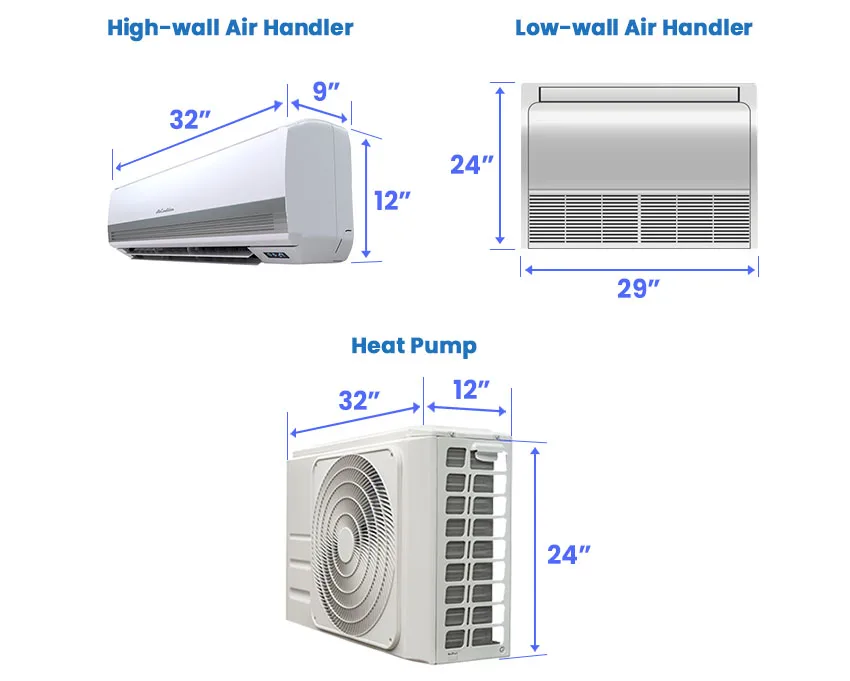
How To Determine Size Of Air Conditioning Unit

Ah, air conditioning. That sweet, sweet relief on a sweltering summer day. Whether you're escaping the humidity with a good book, enjoying a movie marathon, or simply trying to get a decent night's sleep, air conditioning is often the unsung hero of modern comfort. We take it for granted, but imagine a world without it! Suddenly, that home office doesn't seem so appealing, does it?
The primary benefit of air conditioning is obvious: temperature control. But it goes beyond simply making us comfortable. AC also improves air quality by filtering out dust, pollen, and other allergens, making it a boon for allergy sufferers. It can even help prevent mold growth by reducing humidity. In short, it contributes significantly to our health, productivity, and overall well-being. Think of hospitals, schools, and workplaces – air conditioning plays a crucial role in maintaining healthy and efficient environments.
We see air conditioning in action everywhere. Window units chugging away in apartments, central AC systems humming quietly in homes, and even portable units offering localized cooling. But have you ever wondered if your AC unit is the right size for your space? An undersized unit will struggle to keep you cool, working overtime and racking up your energy bill. An oversized unit, on the other hand, will cool the room too quickly, leading to short cycles and potentially causing humidity problems. So, how do you determine the perfect size?
Must Read
Here are some practical tips to help you choose the right air conditioning unit size:
- Calculate Square Footage: This is the foundation. Measure the length and width of the area you want to cool and multiply those numbers together. This gives you the square footage.
- Use a BTU Chart or Calculator: BTU stands for British Thermal Units, and it's a measurement of cooling power. Online BTU calculators are readily available, or you can consult a BTU chart. These tools typically require you to input your square footage, insulation levels (poor, average, good), and climate zone.
- Consider Factors Beyond Square Footage: While square footage is important, other factors influence the necessary BTU output. Think about:
- Sun Exposure: Rooms with lots of sunlight will need more cooling power.
- Ceiling Height: Higher ceilings mean more space to cool.
- Number of People: More people generate more heat.
- Heat-Generating Appliances: Kitchens, for instance, often require higher BTU units.
- Consult a Professional: For central AC systems or complex situations, it's always best to consult with an HVAC professional. They can perform a load calculation, taking into account all relevant factors to determine the optimal size for your system.
- Don't Oversize: Remember, bigger isn't always better. An oversized unit will cycle on and off frequently, leading to uneven temperatures and increased energy costs. Aim for the right size, not the largest size.
By taking these steps, you can ensure you select an air conditioning unit that provides efficient and effective cooling, keeping you comfortable and saving you money in the long run. Enjoy that perfectly cooled room, knowing you made an informed decision!