How To Detect Gas Leak In House
Ever feel like a secret agent, constantly vigilant, protecting loved ones from unseen dangers? While we might not be defusing bombs on a daily basis (thankfully!), there's one domestic superpower we can all cultivate: the ability to detect a gas leak. It’s about embracing the peace of mind that comes from knowing you’re prepared. Think of it as your household’s personal safety net, a crucial skill that turns you from a regular resident into a home protection hero.
The purpose of this noble quest? Simple: to keep your home and family safe and sound. Natural gas and propane, while incredibly useful for heating our homes, cooking our meals, and drying our clothes, are also highly flammable. An undetected leak can lead to serious health issues, fires, or even explosions. Understanding how to spot the early warning signs isn't just a good idea; it's an essential life skill that safeguards property, prevents injury, and can literally be a lifesaver. It’s the ultimate preventative maintenance for your most cherished space.
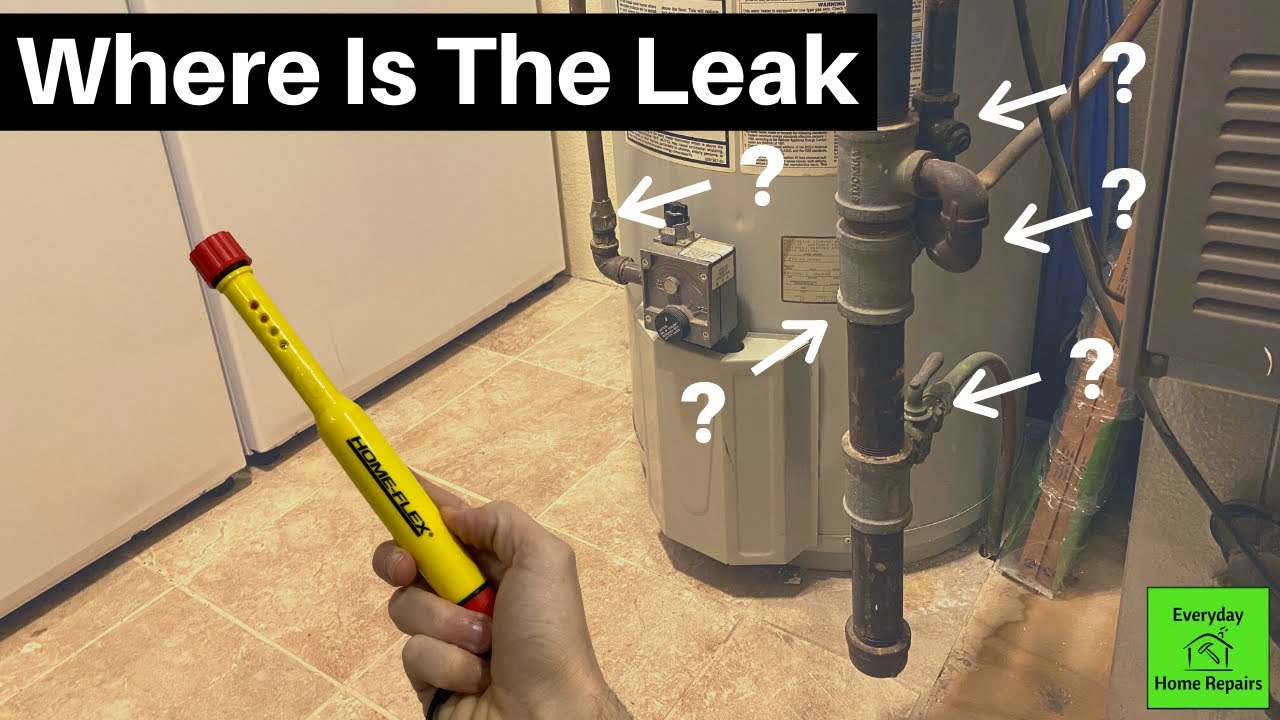
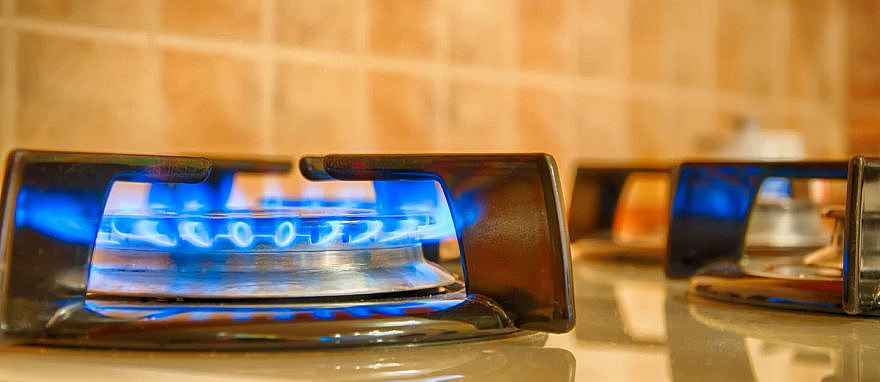
So, where might these sneaky gas leaks hide? They’re often lurking around any appliance that uses gas. Think about your stove or oven, that cozy gas fireplace, your water heater, or even the outdoor BBQ grill’s propane tank. Furnaces and clothes dryers are also common culprits. In older homes, sometimes even the gas lines themselves can develop tiny, insidious cracks. These aren't abstract threats; they're very real possibilities in our daily routines, making awareness all the more vital.
Must Read
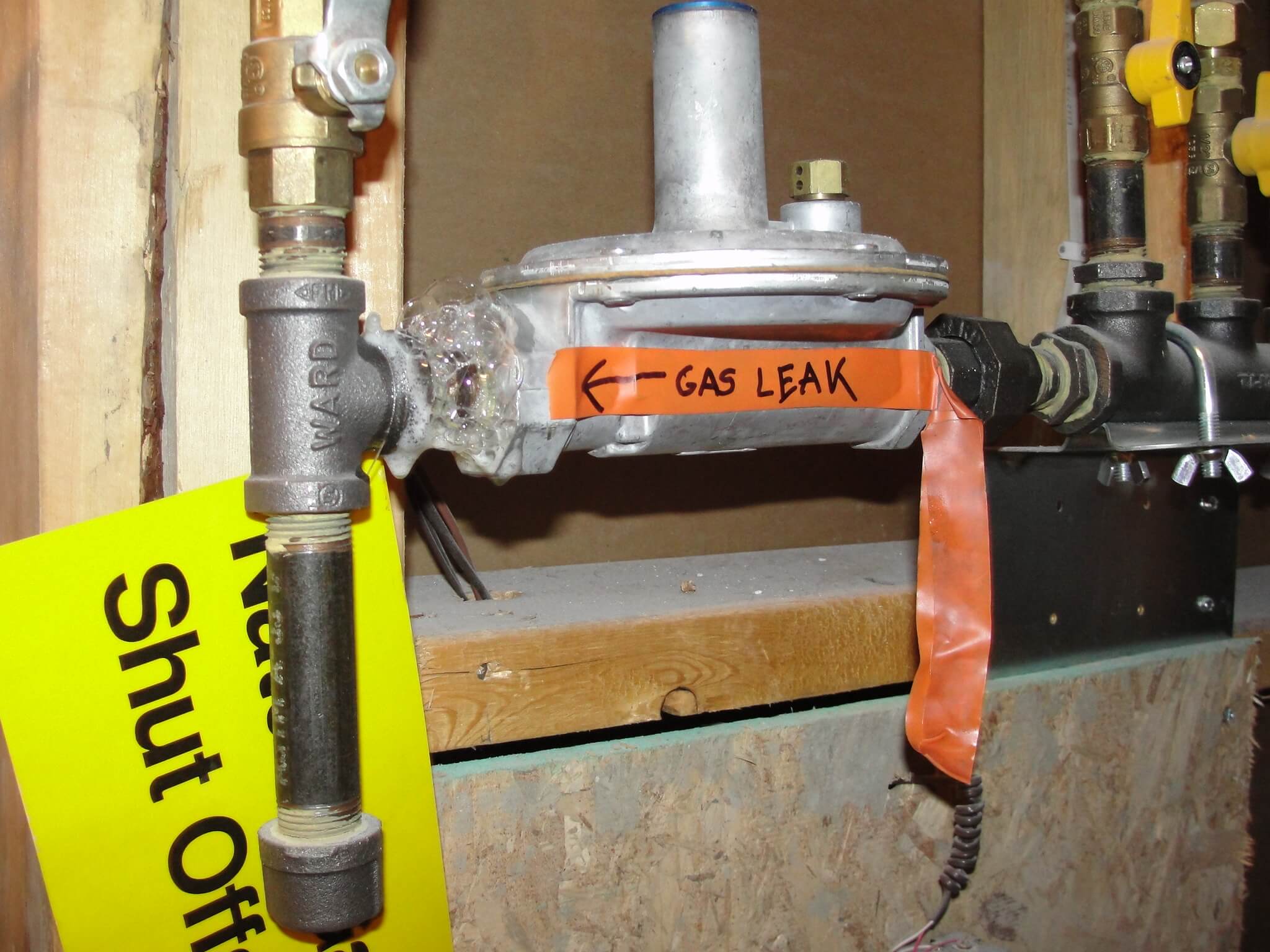
Now, for the fun part: becoming an effective gas leak detective! First, and most famously, is your nose. Natural gas is naturally odorless, but utility companies add a harmless chemical called mercaptan, giving it a distinctive “rotten egg” or sulfurous smell. If you catch a whiff of this pungent odor, your first alarm should blare. Second, listen up! A leak might produce a faint hissing sound near a gas line or appliance, indicating gas escaping under pressure. Third, engage your eyes. If you suspect a leak, mix some dish soap with water and brush it over gas pipe connections. If you see bubbles forming, you’ve found your culprit! For outdoor leaks, look for unexplained dead patches of vegetation near gas lines.
To truly master your inner gas leak guru, consider investing in a professional gas detector. These devices, available at most hardware stores, offer an added layer of vigilance. However, remember the most important tip: if you ever suspect a gas leak, act quickly and decisively. Don’t turn on or off any electrical switches, don’t use your phone inside, and don’t light anything. Open windows and doors immediately, evacuate everyone from the house, and once safely outside, call your gas utility company or 911. Being proactive and knowing these simple, yet powerful, steps means you're not just living in your house; you're mastering its safety, one sniff, hiss, or bubble at a time.