
How To Detect Air Leaks In House

You know that feeling, right? You’re snuggled up on the couch, maybe with a cup of tea, blissfully ignoring the winter chill outside. Then, suddenly, a phantom draft tickles the back of your neck. Or perhaps you walk past that one particular corner in the living room and it’s always just… colder. Your thermostat is cranked, your bills are sky-high, and you’re starting to wonder if your house is secretly a portal to the Arctic. For years, I just assumed my old place had a resident ghost who liked to leave windows ajar. Turns out, it was just good old-fashioned, completely preventable, air leaks.
That's right, those mysterious cold spots and surprisingly high energy bills often have a much more mundane (and fixable!) explanation than paranormal activity. Your house, bless its heart, might be breathing a little too freely, letting your expensive heated (or cooled!) air escape like a sneaky teenager out a window. And trust me, it’s not just about comfort; it's about your wallet and, dare I say, the planet!
So, how do we stop this invisible heist? How do we become the Sherlock Holmes of our own homes and sniff out these elusive drafts? Don't worry, you don't need fancy equipment (unless you want to feel extra cool, which is totally fine). Most of these methods are DIY, totally free, and actually kinda fun. Let's get detective-ing!
Must Read
The Visual Hunt: Your Eyes Are Your First Weapon
Before you get all scientific, start with the obvious. Grab a flashlight and give your house a good once-over, both inside and out. Think of it as a treasure hunt, but instead of gold, you’re looking for gaps and cracks.
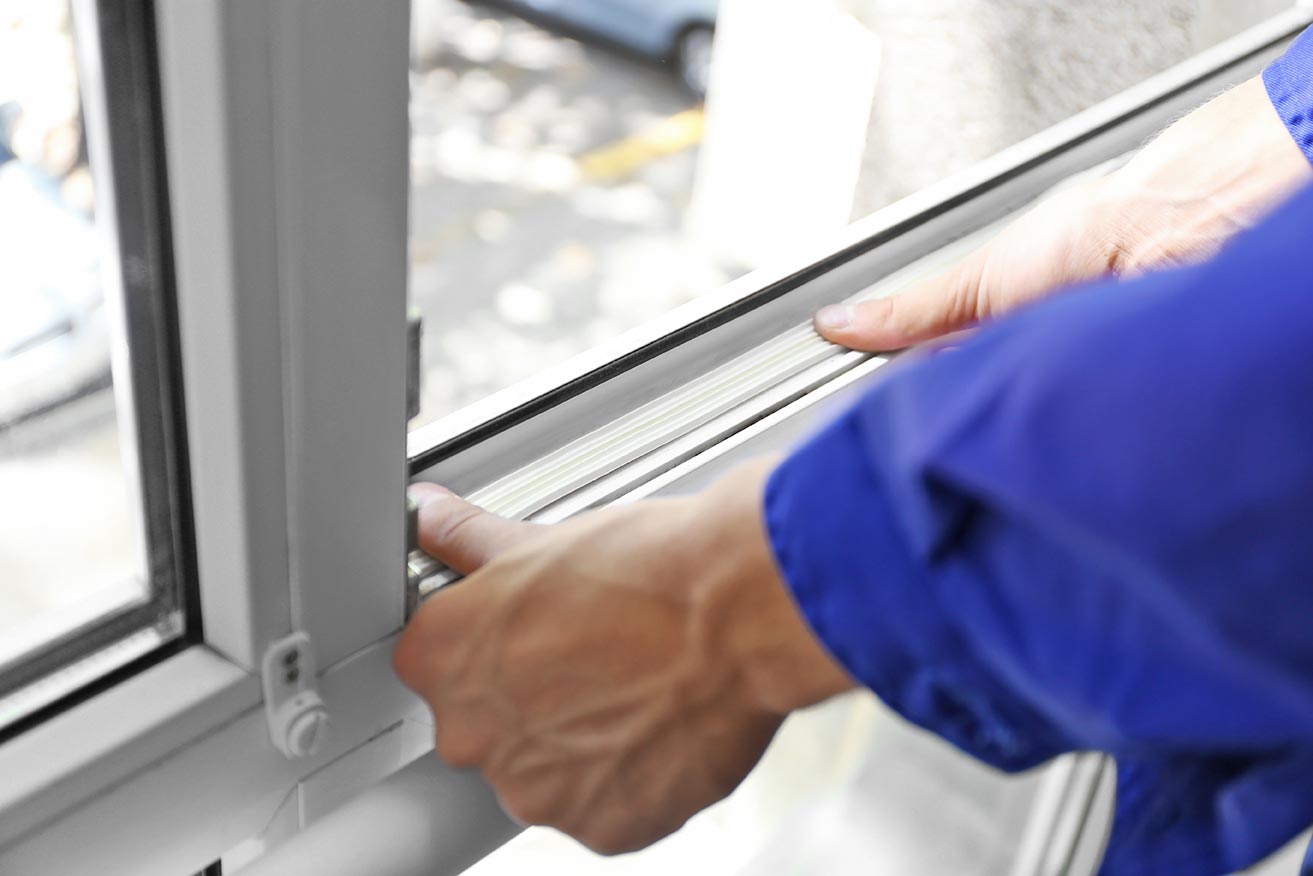
- Windows and Doors: Check the caulk around your window frames. Is it cracked, peeling, or just plain gone? How about the weatherstripping around your doors? Give it a good poke – is it squishy and intact, or hard and brittle? You’d be surprised how much air can sneak through tiny gaps.
- Foundation: Walk around the exterior of your house. Look for cracks in the foundation or where the siding meets the foundation. Critters love these gaps, and so does cold air.
- Utility Penetrations: This is a fancy way of saying "where stuff comes into your house." Think pipes for water, gas lines, electrical conduits, dryer vents, cable lines. Often, the holes around these aren't sealed properly.
- Attic and Basement Access: These are often forgotten, but a poorly sealed attic hatch or basement door can be a significant leak source.
See? Easy peasy. You've already got a potential list of suspects!

The Hand Test: Trust Your Gut (and Your Skin)
This is probably the simplest and most effective method. Your hands are surprisingly sensitive to temperature changes and air movement. On a cold, windy day (or a hot, sunny one if you're looking for AC leaks), simply hold your bare hand near any suspected drafty areas.
- Windows and Doors (again): This is your primary target. Hold your hand along the edges, at the bottom, and especially where the sashes meet.
- Electrical Outlets and Light Switches: Believe it or not, air can travel through the walls and escape around these boxes. Hold your hand flat against the wall, then move it slowly around the outlet or switch plate.
- Fireplace Damper: Make sure your damper is fully closed when not in use. A lot of conditioned air can escape up the chimney.
- Recessed Lights: If you have these in an attic ceiling, they can be big culprits.
- Plumbing under Sinks: Go to your bathroom or kitchen sink and feel around the pipes entering the wall.
If you feel a noticeable chill (or warmth, depending on the season), congrats! You've found a leak. Time to mark it down!

The Incense Stick / Smoke Pencil Test: For the Finer Details
Feeling like a true professional? Grab an incense stick (or, if you’re fancy, a smoke pencil from a hardware store). The idea here is to create a visible trail of smoke that will react to even subtle air movement.
Light your incense stick and carefully hold it near the areas you suspect have leaks (especially after your hand test). Watch the smoke. If it wavers, gets sucked in, or blows away from the crack, you’ve found an air leak. This is super effective for those smaller, less obvious gaps around window frames, electrical outlets, and baseboards.
It’s like playing a miniature game of "follow the smoke" – way more fun than it sounds!
The Flashlight Test: A Nighttime Adventure
This one works best for doors and windows, and it’s a great two-person job. Have one person go outside with a bright flashlight after dark. The other person stays inside, in the dark, and looks for light peeking through cracks around doors or windows while the person outside shines the light along the edges.

Any sliver of light you see means air can get through. Simple, effective, and makes for a fun evening activity (especially if you pretend you’re on a secret mission).
The "Pro" Tests (When You're Really Serious)
If you've done all of the above and are still battling drafts, or your energy bills are stubbornly high, it might be time to call in the big guns. Professionals can conduct tests like:
- Blower Door Test: This involves sealing off your front door with a powerful fan that depressurizes your house, making all the air leaks much more obvious (and easy for them to detect with smoke or thermal cameras). It’s pretty cool, like your house is getting a giant physical.
- Thermal Camera Inspection: These gadgets show heat signatures, so cold air coming in will show up as a different color, pinpointing leaks with amazing accuracy. They're pricy to buy, but a professional energy auditor will have one.
Detecting air leaks might seem daunting, but it's one of the most impactful things you can do for your home's comfort and your budget. By taking an hour or two to play home detective, you could save a significant chunk of change on your energy bills, make your home feel cozier, and even improve its indoor air quality. So go on, grab that flashlight (or incense stick!), and let's get those leaks sealed!