
How To Cut Stainless Steel Pipe
Hey there! Ever stared at a sleek, shiny piece of stainless steel pipe and wondered, "How do you even cut that?" Most people don't. But you, my friend, you're different. You're about to dive into the surprisingly fun, sparks-flying, power-tool-wielding world of metal-slaying. And trust me, it's more satisfying than untangling old headphones.
Stainless steel isn't just pretty. It's tough. It's got that oomph. It resists rust like a superhero resists villains. This incredible durability is why it's everywhere, from your kitchen sink to futuristic spacecraft. But that same toughness? It makes cutting it a bit of a challenge. You can't just hack at it with kitchen scissors. Unless you enjoy disappointment and dull scissors.
Why Stainless Steel is a Bit of a Diva
Think of stainless steel as the rockstar of metals. It’s hard. It’s strong. It looks fantastic. It's also a bit of a heat hog. When you cut it, it gets hot. Really hot. This heat can warp it or make your tools dull faster than a butter knife trying to cut a steak. So, we need to be smart. We need the right gear. And maybe a cool pair of safety goggles, just for show.
Must Read
The Spark-Tastic Angle Grinder
First up: the angle grinder. This bad boy is like a mini, handheld fireworks display. You attach a thin, abrasive cutting wheel. Then you hold on tight. It spins at ludicrous speeds. When it touches stainless steel, sparks fly! It's incredibly dramatic. It's efficient. It makes you feel like an action hero. But seriously, safety glasses, gloves, and ear protection are non-negotiable. Your ears will thank you later. Your eyebrows will stay put.
The trick with a grinder? Let the tool do the work. Don't press too hard. A light touch and steady hand are key. Plus, try to keep the pipe cool. Maybe have a spray bottle of water nearby. Just don't spray the grinder! That's a bad idea. A very, very bad idea.

The Reciprocating Saw: A Jiggling Beast
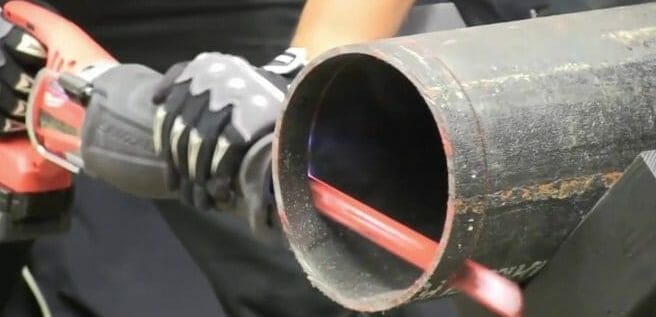
Next, we have the reciprocating saw, often nicknamed a "Sawzall" after a popular brand. This tool is a bit like a metal-cutting monster. It jiggles a long blade back and forth at high speed. It's not as sparky as a grinder, but it's got its own kind of raw power. You need a specific blade for metal, usually with fine teeth and made from bi-metal or carbide.
Clamping your pipe is crucial here. Like, super-duper crucial. Otherwise, your pipe will dance around like it's at a rave. And nobody wants flying metal pipe at a rave. Use a low speed setting to start. Let the blade bite. This method is great for cuts in awkward places. It's less about sparks, more about raw, vibrating power.
The Elegant Pipe Cutter: No Sparks, Just Squeeze
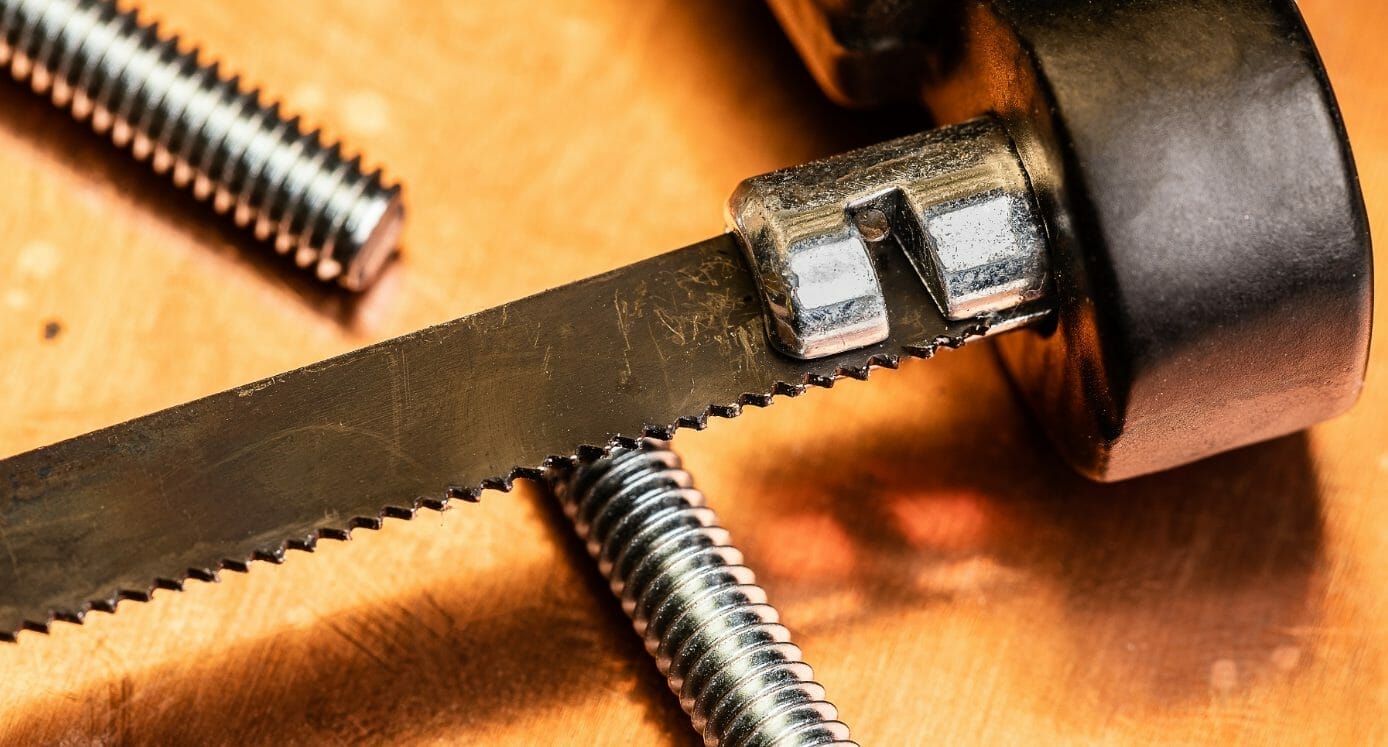
For smaller diameter pipes, the pipe cutter is your sophisticated friend. No sparks. No screaming motor. Just a satisfying, slow process. It looks like a C-clamp with a tiny wheel. You clamp it onto the pipe. You tighten it a bit. Then you spin it around the pipe. Tighten. Spin. Repeat. Gradually, that little wheel slices deeper and deeper.
It's slow. It requires patience. But the cut? Oh, the cut is beautifully clean. No burrs, no rough edges. It's the Zen master of pipe cutting. Perfect for plumbing projects where aesthetics matter. Plus, it's surprisingly satisfying to watch that little wheel do its magic.

The Chop Saw: Precision with Power
If you need straight, clean cuts on larger pipes, especially repeatedly, the chop saw (or abrasive cut-off saw) is a solid choice. It's basically a big, stationary version of an angle grinder. You clamp the pipe into a vise. You pull down the giant abrasive wheel. It creates a symphony of noise and a blizzard of sparks. Think industrial-grade sparkle. These are fantastic for accuracy. They make quick work of tough material. But they're big. They're loud. And they demand respect, like any powerful tool.
Quirky Tips for a Happy Cut
- Mark It Twice, Cut It Once: Seriously. Use a permanent marker. And measure again. Your future self will thank you.
- Clamp Like a Pro: We can't say this enough. A wobbly pipe is a dangerous pipe. Use vises, clamps, anything to hold that sucker still.
- Cool Down, Buttercup: Cutting stainless steel generates heat. Dip the pipe in water if you can. Or just take breaks. Cooling helps preserve your blade and your pipe.
- Deburr Your Work: After cutting, you'll have sharp edges, or "burrs." A deburring tool or even a file cleans these up. It makes your work look professional. And prevents tiny, irritating cuts later.
- Safety First, Fun Second: Seriously, wear your PPE (Personal Protective Equipment). Safety glasses, hearing protection, gloves. Think of it as your superhero uniform.
Why Is This Even Fun?
You might be thinking, "This sounds like work." But hear me out. There's a primal satisfaction in taking a raw, unyielding material like stainless steel and shaping it to your will. The roar of the grinder, the shower of sparks, the clean "thunk" as a piece falls away. It's a small victory. It's a testament to human ingenuity. It's about problem-solving with power tools! And honestly, who doesn't love a bit of controlled chaos?
So, the next time you see a stainless steel pipe, you won't just see a pipe. You'll see potential. You'll see sparks. You'll see a challenge waiting to be conquered. And you'll know exactly how to dive in. Happy cutting, my friend!
