
How To Cut Metal Flex Conduit
Alright, gather 'round, folks, and pull up a virtual chair. Today, we're diving into a topic that might seem mundane at first glance, but I assure you, it holds the potential for either profound satisfaction or utter, soul-crushing frustration: How to cut metal flex conduit.
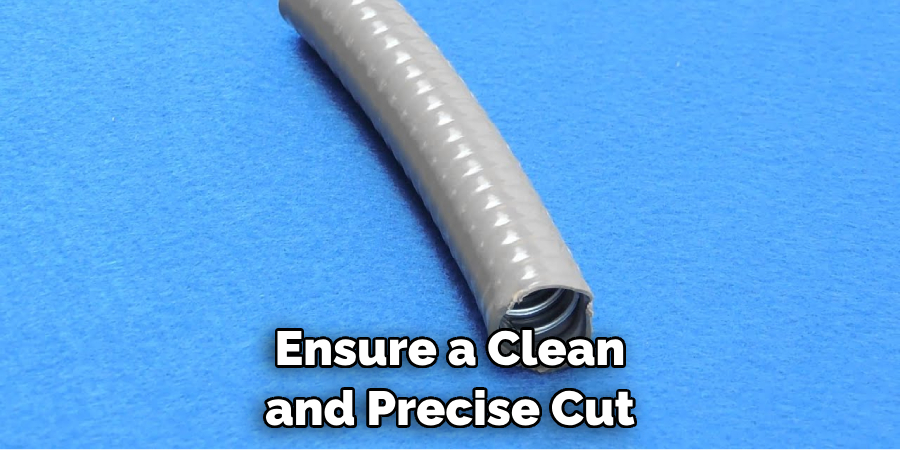
You’ve seen it, right? That shiny, metallic, almost serpentine tube wriggling its way through walls and ceilings, protecting electrical wires like a tiny, armored dragon. It’s called Flexible Metal Conduit, or FMC, or just “flex” if you're in the know. And the moment you need to shorten a length of it, you realize you're not just dealing with a simple pipe. Oh no, you’re about to wrestle a spring-loaded, multi-layered, steel-coiled beast.
The Beast You're Up Against
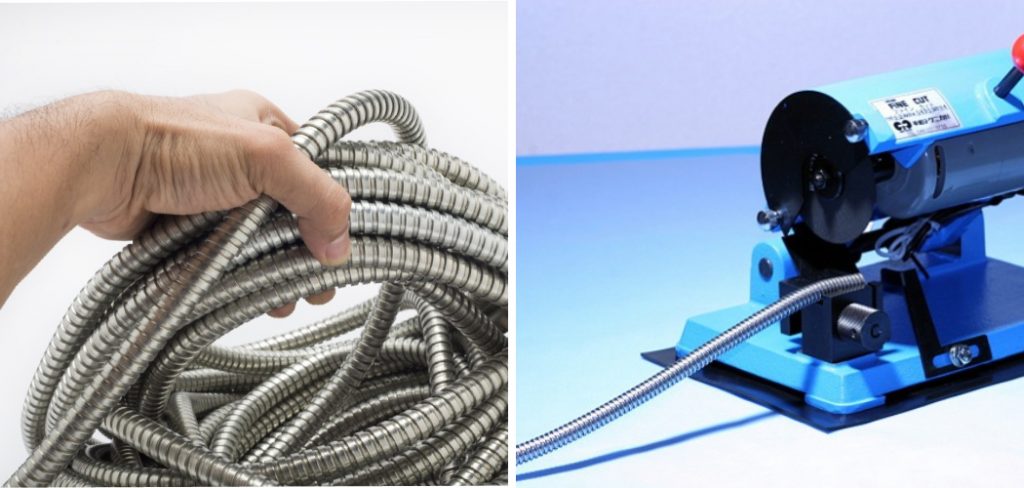
Picture this: it's not just a solid tube. It's a continuous, spiral-wound strip of galvanized steel (or sometimes aluminum), interlocking to form a flexible, protective shell. Think of it like a slinky that's been hitting the gym and now has serious biceps. It's designed to be tough, to resist crushing, and to protect delicate wires from all sorts of nasties. Which, ironically, makes it an absolute pain to cut cleanly.
Must Read
The "Don't Even Think About It" Methods
Let's get the bad ideas out of the way first, shall we? Because, trust me, I’ve been there. We all have that moment of desperation where we grab the nearest tool and think, "Surely this will work!"
The Humble Hacksaw: Oh, the hacksaw. The trusty companion of many a DIYer. You'll saw. And saw. And saw some more. You'll generate more sparks than a Fourth of July fireworks display, deafen yourself with the screeching metal, and probably develop an impressive bicep (only one, oddly). When you're finally through, you'll have a jagged, burred edge that looks like a metallic hedgehog, ready to shred any wire you try to pull through it. Plus, it takes roughly a geological era per cut. Not recommended unless you enjoy self-flagellation and metal splinters.
The Angle Grinder (aka The Metal-Eating Monster): For the adrenaline junkies among us, there's the angle grinder. You'll feel powerful, like a god of sparks and fury! But also, likely terrified. This tool will make short work of flex conduit, no doubt. It will also create a cacophony of noise, a blizzard of sparks, and, if you're not careful, a trip to the emergency room for various missing body parts (playful exaggeration, but seriously, be careful!). It’s like using a flamethrower to toast a marshmallow – effective, but wildly excessive and highly dangerous for this specific task.
Pliers and Snips: "What if I just... snip it?" you might ask, holding up a hopeful-looking pair of diagonal cutters. Bless your heart. That's like trying to cut a diamond with a pair of nail clippers. You'll just indent it, maybe bend it, and then spend the next five minutes trying to pry your bent snips off the unyielding flex. A noble effort, but ultimately futile.
The Hero Enters: The Rotary Conduit Cutter
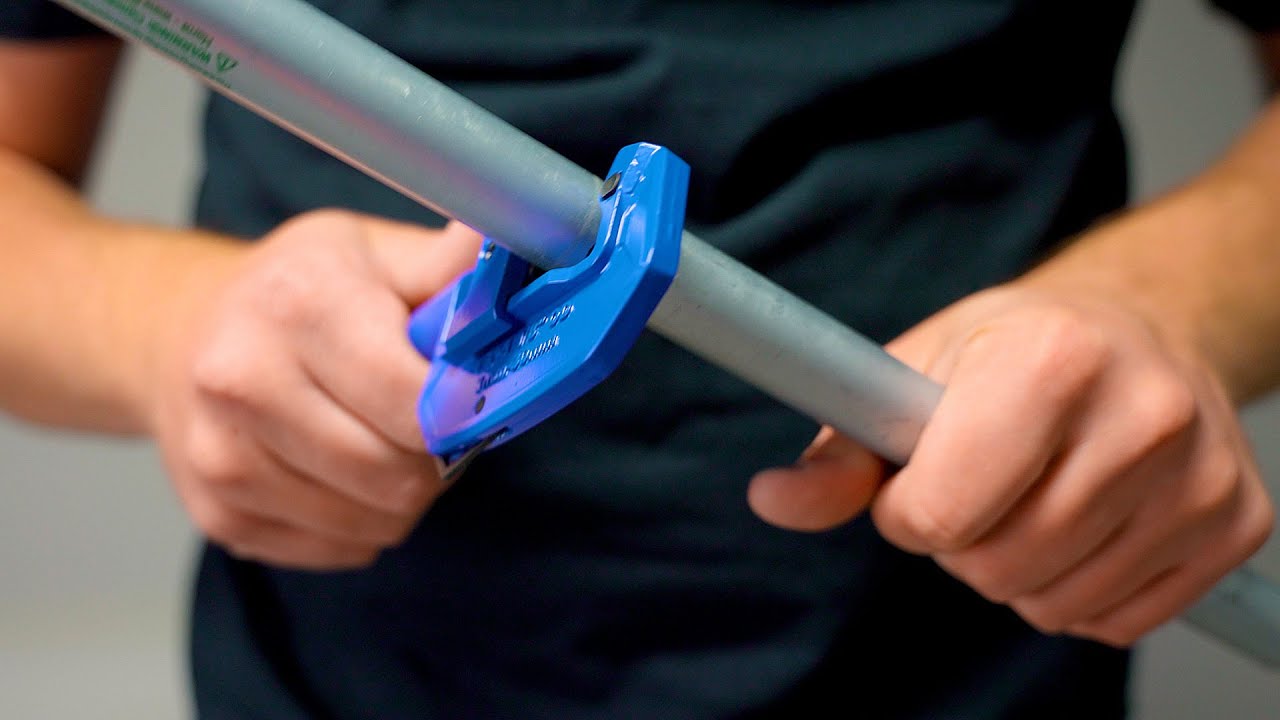
Alright, enough with the horror stories. Let's talk about the tool that will make you feel like a conduit-cutting wizard: the rotary conduit cutter. This specialized tool looks a bit like a medieval torture device, or perhaps a tiny, menacing clam, but it is your absolute best friend for this job.
It's designed specifically for the unique challenge of cutting flex conduit cleanly and efficiently. Inside, it has a small, sharp wheel and two rollers. Its brilliance lies in its simplicity and its ability to cut between the coils, leaving you with a perfectly smooth, burr-free edge that won't damage your precious wires.

Your Path to Conduit-Cutting Zen: A Step-by-Step Guide
Ready to conquer that metallic serpent? Here’s how you do it, the right way:
Step 1: Measure and Mark. Don’t eyeball it. Unless your eyeballs have built-in lasers and a tape measure, you’re going to be off. Use a tape measure and a marker to clearly indicate your cut point. Precision is key!
Step 2: Open the Cutter. Squeeze the handles (or twist the knob, depending on your model) to open the jaws of the cutter wide enough to slip the conduit in.
Step 3: Position the Conduit. This is critical. You want the cutting wheel to sit snugly in one of the valleys between the interlocking spirals of the conduit. Do NOT try to cut across the raised ridge of the spiral. That's asking for trouble and a dull blade.
Step 4: Tighten and Rotate (The Dance). Now, gently tighten the knob until the cutting wheel makes light contact with the conduit. Then, rotate the cutter around the conduit, making a full circle. Tighten the knob a little bit more (usually a quarter to a half turn), and rotate again. Repeat this magical dance – tighten, rotate, tighten, rotate – slowly and steadily. Don't crank down on it too hard too fast; patience is a virtue here.
Step 5: Listen for the "Pop!" After several rotations and gradual tightening, you'll feel less resistance, and often, you'll hear a satisfying little "pop" or "snap" as the conduit finally gives way. It’s like the sound of victory!
.jpg)
Step 6: Inspect and Deburr (Optional but Recommended). Remove the conduit. You should have a wonderfully clean cut with minimal or no burrs. If there are any tiny metal shards, a quick twist with a conduit reamer (some cutters have one built-in) or a careful file can smooth it out perfectly. This ensures your wires slide through unharmed.
Pro Tips & Random Facts to Impress Your Friends
- Safety First, Always: Even with the right tool, metal bits can fly. Always wear safety glasses and gloves. Your eyes and hands will thank you.
- A Drop of Oil: For a smoother cut and to extend the life of your cutting wheel, a tiny drop of lubricating oil on the blade before you start can work wonders.
- The Origin Story: Metal conduit was invented way back in the late 19th century, right after electricity became a thing. Early electrical systems were a bit of a fire hazard, so engineers needed a way to protect the wires from damage and contain potential sparks. Enter the mighty conduit!
- Flex vs. Rigid: While we're talking flex, remember its beefier cousin, Rigid Metal Conduit (RMC), which is like flex's straight-laced, unyielding older sibling. Cutting that is a whole different (and often more involved) ballgame!
- Recycle Those Scraps: Don't just toss those little metal rings. If you're doing a big project, collect them and take them to a metal recycling facility. Mother Earth (and your wallet, potentially) will appreciate it.
You've Done It!
And there you have it! You've transformed from a hesitant conduit handler into a confident, flex-cutting maestro. No more sparks flying, no more mangled edges, just clean, precise cuts ready for your wiring project. The secret, as with many things in life, wasn't brute force, but rather using the right tool and a little bit of finesse.
Now go forth, and may all your conduit cuts be perfectly smooth and burr-free!