
How To Cut Back On Power Bill
Alright, settle in, grab your metaphorical (or actual!) coffee, because we need to talk about something that makes all our wallets collectively groan: the power bill. It arrives, mocking you with its bold numbers, making you wonder if you’ve somehow started running a secret Bitcoin mining operation in your basement. But fear not, my friend! We're about to wage a glorious, humorous, and surprisingly effective war against those energy vampires. Think of me as your slightly unhinged energy guru, here to save you some serious dough.
The Low-Hanging Fruit (and the Shocking Truth About Your Lightbulbs)
Let's start with the basics, shall we? You know, the stuff your parents always nagged you about. Turn off the lights! Yeah, yeah, we know. But here’s a twist: are your lights still using those ancient, incandescent bulbs? Because if so, you're basically paying to heat your house with glorified tiny furnaces. Seriously, incandescent bulbs convert only about 10% of their energy into light; the other 90% is just wasted heat. It’s like buying a fancy car only for it to spend most of its fuel making exhaust fumes. Switch to LEDs! They last ages, use dramatically less energy, and frankly, they make you feel like a futuristic energy-saving wizard.
And speaking of lights, how many rooms do you illuminate like a stadium just to grab a snack? Become a domestic ninja. Glide from room to room, flipping switches like a boss. You'll save energy and get a cool, stealthy vibe. Two birds, one energy-efficient stone.
Must Read
Taming the HVAC Beast: Your Thermostat isn't a Toy!
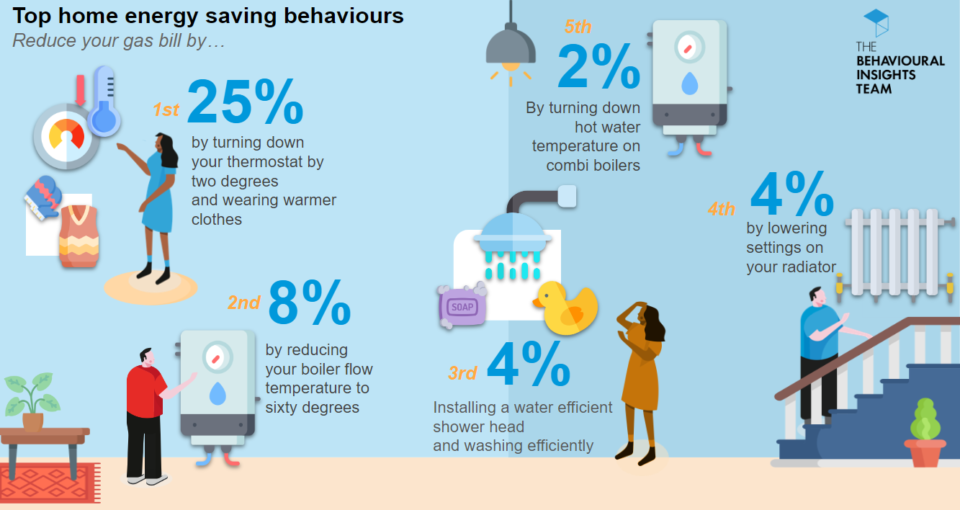
Okay, this is where the real money lives (or rather, leaves). Your heating and cooling system is the undisputed heavyweight champion of your power bill. Think of your thermostat not as a mood ring for your house, but as a grumpy, expensive landlord. Treat it with respect, and a little bit of fear.
During winter, resisting the urge to turn your home into a tropical paradise is key. Try setting it to a comfortable 68 degrees Fahrenheit (20 Celsius) during the day and even lower when you're asleep or away. In summer, aim for 78 degrees Fahrenheit (26 Celsius). Before you scoff, try it! You might be surprised. Layer up or strip down. It's cheaper than running an air conditioner that's working harder than a personal trainer on a double shift.

Pro-tip: A smart thermostat can be your best friend here. It learns your habits, adjusts itself when you're out, and you can control it from your phone. It’s like having a tiny, energy-conscious butler for your home.
The Stealthy Siphoners: Appliances and Phantom Power
Your appliances are a tricky bunch. Some, like your fridge, are working 24/7, just silently humming along, making sure your leftovers don't turn into science experiments. But others? They're pure drama queens, demanding energy even when they're "off."
Ever heard of phantom load? It's not a ghost, but it's just as spooky for your wallet. It's the power used by electronics when they're turned off but still plugged in. Think TVs, gaming consoles, phone chargers (yes, those tiny little energy vampires!), coffee makers with digital clocks, computers. They're silently sucking juice, often accounting for 5-10% of your total electricity bill. It’s like paying for a subscription service you never use, but it’s always running in the background.
The solution? Unplug them! Or, even better, get some power strips with on/off switches. Flip the switch and cut the power to a whole cluster of devices. It's incredibly satisfying, like turning off a noisy neighbour with a single flick.
Laundry Day Shenanigans and Other Household Hijinks
Your washing machine and dryer are power guzzlers, especially if you're using hot water for every load. Here's a surprising fact: most modern detergents are designed to clean just as effectively in cold water. Think about it – you're paying to heat all that water, only for it to go down the drain. Switch to cold, save some cash, and your clothes will thank you (probably).
As for the dryer, that thing is an energy monster. Consider hanging clothes to dry when the weather permits. It’s free, it smells great, and you’ll feel like you’re starring in a charming, rustic movie montage. If you must use the dryer, make sure the lint trap is clean – a clogged lint trap forces the dryer to work harder, using more energy and increasing fire risk. Win-win!
And your dishwasher? Only run it when it’s full. Don’t just wash three plates and a spoon. That’s like driving a bus for one passenger. Efficient loading is your superpower here.
Become a Draft Detective and Seal the Deals
Picture this: you’ve meticulously turned off all your lights, unplugged every gadget, and set your thermostat like a pro. But wait! Do you feel a chill even when the heat's on? You might have secret drafts. Cold air sneaking in (or warm air sneaking out) through tiny cracks around windows, doors, and even electrical outlets can significantly increase your heating and cooling costs. It's like trying to fill a bathtub with the plug out.
Grab some caulk and weatherstripping. These are your secret weapons. Go around your house like a domestic detective, sniffing out those sneaky leaks. Sealing them up is often a cheap and incredibly effective way to keep your home's temperature where it should be, without your HVAC system working overtime. It’s a bit of DIY that pays dividends, often immediately.
The Grand Finale: Little Habits, Big Savings
It all boils down to awareness and a few simple habit changes. Think of it as a game: how much can you annoy your power company each month by slashing your bill? Every time you unplug a charger, turn off a light, or adjust your thermostat, give yourself a mental high-five.
You’re not just saving money (though, let’s be honest, that’s the main motivator, right?). You’re also doing a tiny bit for the planet, which means you can feel smugly superior while enjoying your lower bill. So go forth, my energy-saving warrior! Fight the good fight, embrace the chill (or the warmth), and watch your power bill shrink into a more manageable, less wallet-weeping number.