How To Cool Down Room Without Ac

Ah, summer! That glorious season of sunshine, long days, and... the relentless quest for comfort when your home starts to feel like a sauna. Whether you're trying to trim down those sky-high electricity bills, doing your part for Mother Earth, facing an unexpected AC breakdown, or simply prefer a more natural approach to beating the heat, the art of cooling your room without air conditioning is a skill set worth mastering. It's about reclaiming your sanctuary, creating a pocket of personal calm amidst the dog days, and sleeping soundly without the hum of an expensive machine.
The beauty of these methods lies in their simplicity and accessibility. They empower you to take control of your indoor climate, leading to a host of wonderful benefits. Beyond the obvious financial savings, adopting AC-free cooling strategies can lead to improved sleep quality (hello, silent nights!), reduced environmental impact, and a greater sense of resilience during power outages. It’s about more than just comfort; it’s about fostering a healthier, more mindful living environment that works with nature, not against it.
You're probably already familiar with some of the classics: drawing the curtains when the sun is blazing, strategically opening windows at night to invite cooler air in, or relying on the trusty oscillating fan for a personal breeze. Many of us instinctively grab a cold drink, wear lighter clothing, or even take a refreshing cool shower when the mercury rises. These are excellent starting points, but with a few clever tweaks and additions, you can transform your home into a far more comfortable haven, even when it feels like the sun is actively trying to move in.
Must Read
Ready to level up your cool-down game? Here are some practical tips to enjoy a refreshingly cooler room more effectively:
- Master the Cross-Breeze: Don't just open one window; open two on opposite sides of your room or house. This creates a powerful wind tunnel, effectively flushing out stale, hot air. For maximum impact, open windows on the cooler, shadier side of your home and close those exposed to direct sunlight during the day.
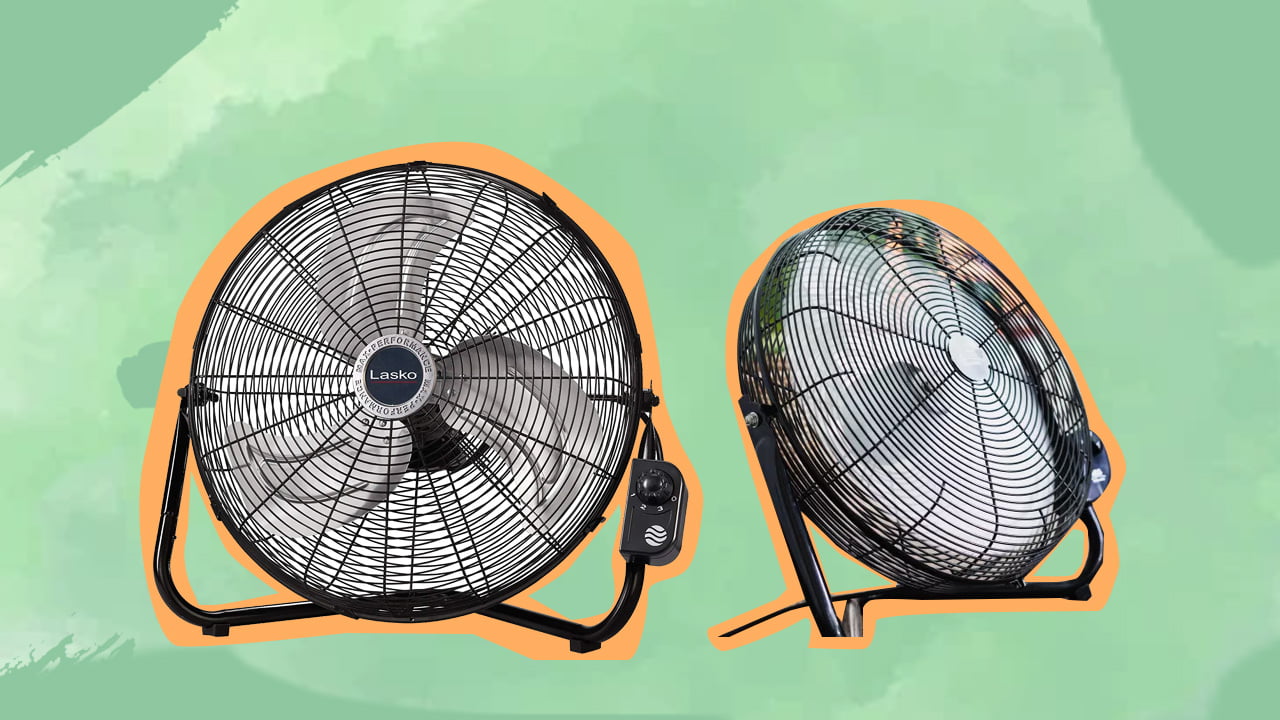
- The Ice Fan Hack: This one's a classic for a reason. Place a shallow bowl or pan of ice in front of your oscillating fan. As the ice melts, the fan will blow a mist of chilled air, creating a surprisingly effective (and cheap!) DIY air conditioner.
- Block Out the Sun's Fury: Invest in blackout curtains or blinds. Seriously. Up to 30% of unwanted heat comes through windows. Keeping these drawn during the hottest parts of the day is perhaps the single most effective passive cooling strategy. Even better if they're light-colored on the outside to reflect sunlight.
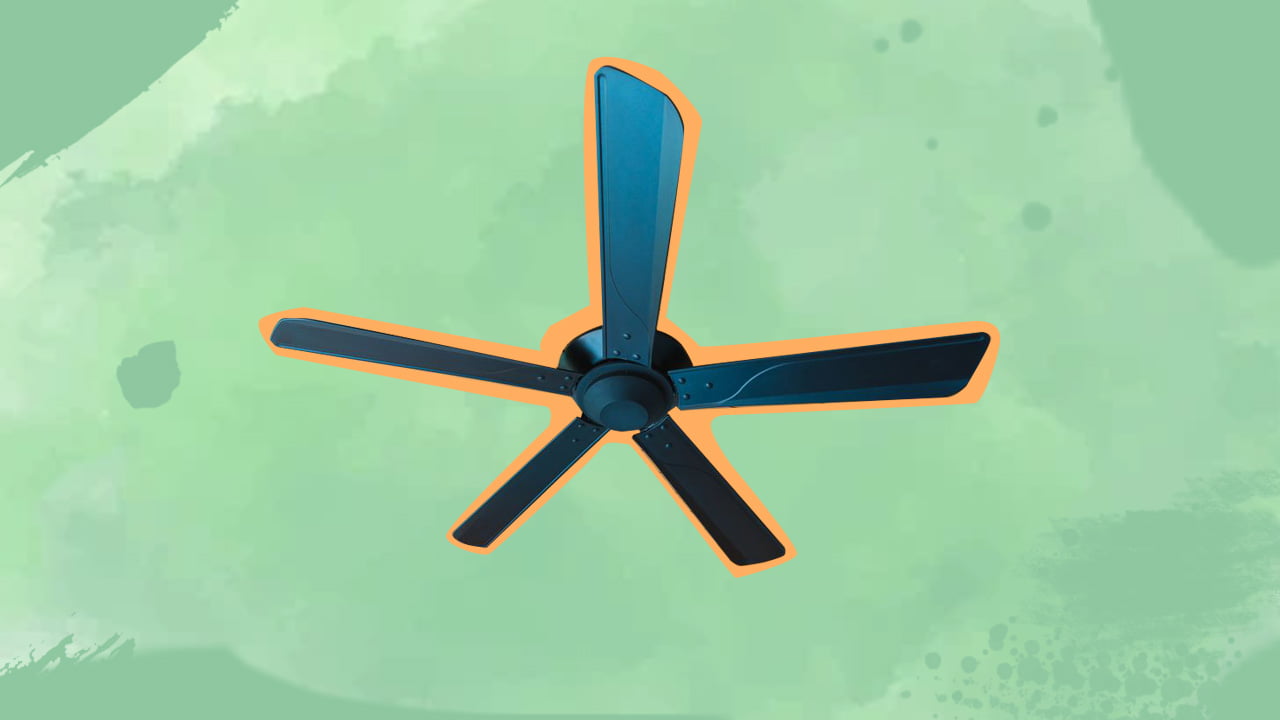
- Ceiling Fan Direction Matters: In the summer, your ceiling fan should spin counter-clockwise (as you look up at it). This pushes air down, creating a cooling downdraft. In winter, switch it to clockwise at a low speed to gently pull warm air up and circulate it.
- Minimize Internal Heat Sources: Every electronic device, light bulb (especially old incandescents), and appliance generates heat. Unplug chargers, switch to LED bulbs, and try to use heat-generating appliances (oven, dryer) during the cooler parts of the day or even cook outdoors if possible.
- Hydrate and Personalize: Keep a spray bottle with water in the fridge for a quick mist, or apply a cold compress to pulse points (wrists, neck, temples). Staying well-hydrated is key, and opting for lightweight, breathable fabrics like cotton or linen will make a world of difference for your personal comfort.
By implementing these smart strategies, you'll not only save money and help the environment but also cultivate a deeper understanding of your home's natural rhythm. Enjoy the newfound tranquility of a naturally cool sanctuary!

:max_bytes(150000):strip_icc()/keep-cool-without-ac-2000-7d6890d3ebeb440a9d01862dae4e0ec6.jpg)