
How To Cool A Home Without Air Conditioning
Let's face it, the summer heat can be brutal. But what if you could keep your home cool and comfortable without cranking up the air conditioning? It's not just about saving money on your electricity bill (though that's a definite perk!). It's about embracing a more natural and sustainable way of living, and honestly, there's something incredibly satisfying about outsmarting the sun. Whether you're a seasoned eco-warrior or just someone looking for a few budget-friendly tips, there's a cooling trick for everyone.
So, why ditch the AC? For beginners, it's a great way to reduce your carbon footprint and lower your energy consumption. You might be surprised at how effective these techniques can be, even with minimal effort. For families, creating a cooler home naturally can mean healthier air quality, less reliance on expensive appliances, and a chance to teach kids about resourcefulness and environmental responsibility. And for the DIY hobbyist, this is a playground of possibilities! From building your own evaporative cooler to designing clever window coverings, there's no limit to the creative solutions you can explore.
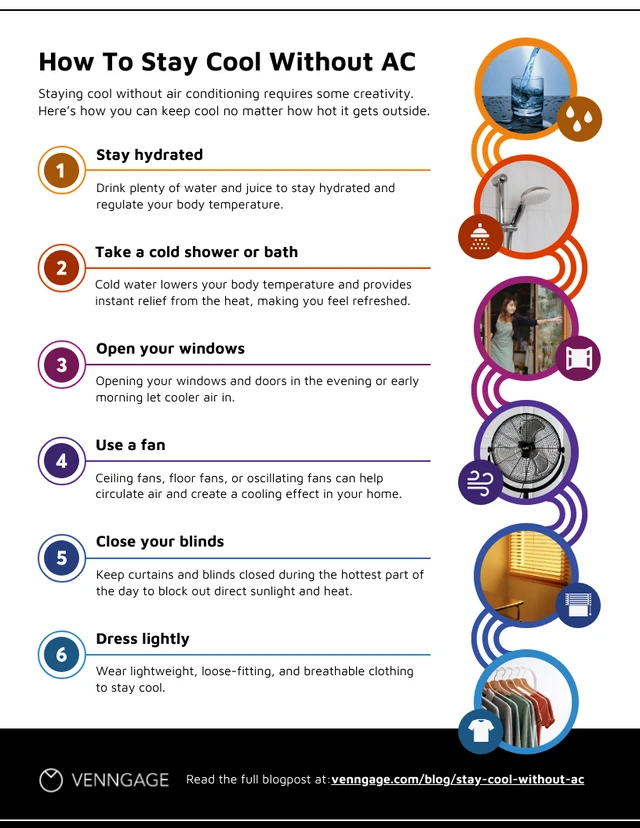
Let's dive into some practical tips. First, think about ventilation. Open your windows strategically at night to let in cool air, and then close them during the day to trap that coolness inside. A whole-house fan can be a game-changer for drawing in cool night air and pushing out hot air. Don't have a whole-house fan? No problem! Even strategically placed box fans can make a difference, especially when placed near windows to exhaust hot air.
Must Read
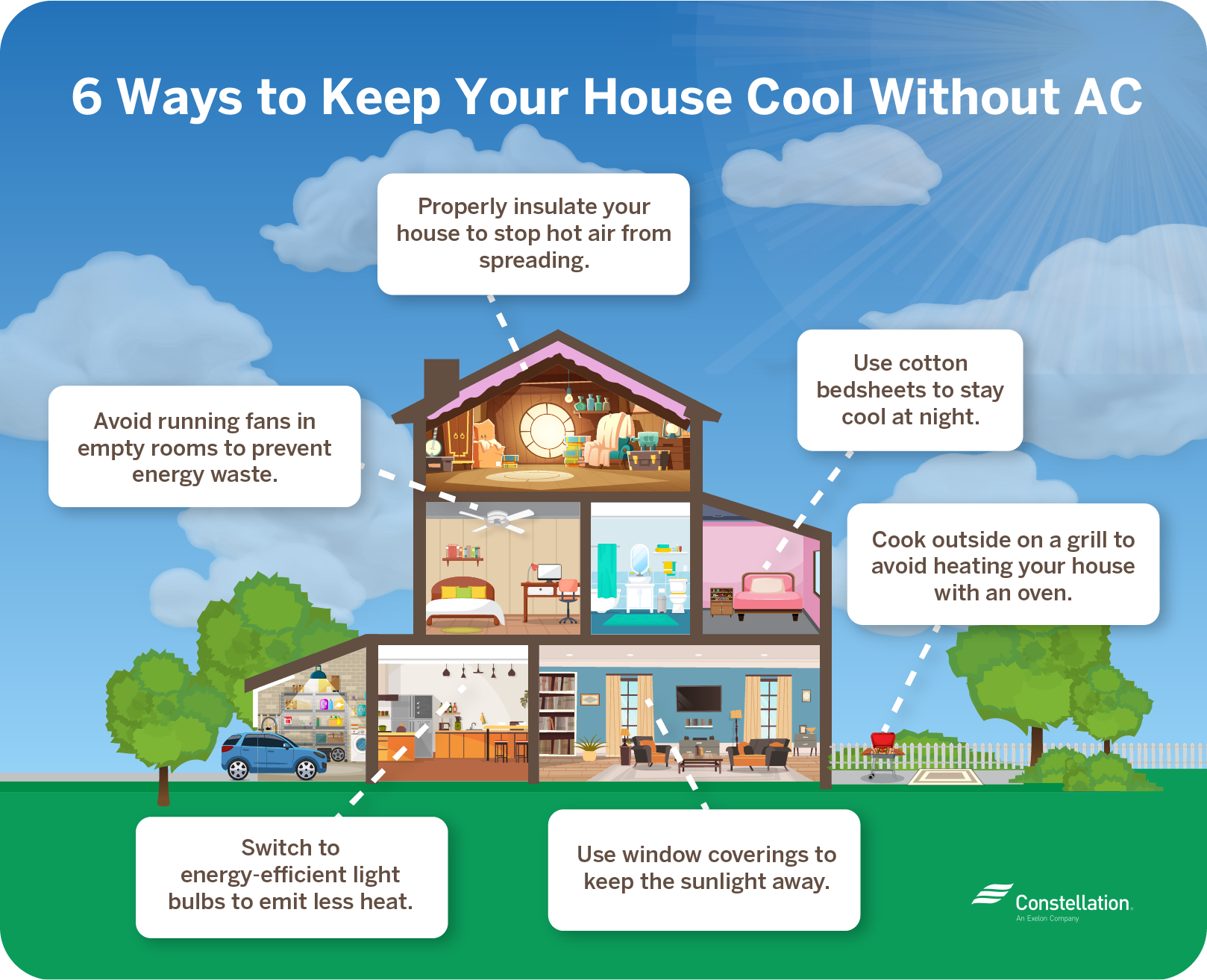
Next up: sunlight control. This is crucial. Think about investing in blackout curtains or blinds, especially for south-facing windows that get the most direct sunlight. Even something as simple as aluminum foil temporarily taped to the windows can reflect a surprising amount of heat. Another variation is using awnings or planting trees to provide shade. Consider climbing plants on trellises to create a living, breathing shade barrier.

Don't underestimate the power of evaporation. A damp sheet hung in front of an open window can create a mini evaporative cooler. You can also create your own DIY version by placing a wet towel over a fan. This works because as the water evaporates, it absorbs heat from the air, cooling it down.
Finally, remember the small things: limit heat-generating activities during the hottest parts of the day. Hold off on using the oven or dryer if you can. Consider switching to LED light bulbs, which generate significantly less heat than incandescent bulbs. And, of course, stay hydrated! Drinking plenty of water helps your body regulate its temperature naturally.
Getting started is easy. Begin by identifying the biggest sources of heat in your home. Is it that huge south-facing window? Is it the afternoon sun beating down on your roof? Once you know where the heat is coming from, you can target your efforts more effectively. Experiment with different techniques and see what works best for your home and climate. Start with one or two simple changes, like opening windows at night and using fans strategically. You might be surprised at how much of a difference they make.
Cooling your home without air conditioning isn't just about surviving the summer; it's about connecting with nature, saving money, and embracing a more sustainable lifestyle. There's a certain satisfaction in creating a comfortable and healthy living space using your own ingenuity and a little bit of elbow grease. So, give it a try! You might just discover a newfound appreciation for the simple pleasures of a naturally cooled home.

