
How To Convert Solar Energy Into Electrical Energy

Alright, gather 'round folks! Let me tell you the absolutely thrilling tale of how we harness the mighty power of the sun and turn it into, you guessed it, electricity! It's like alchemy, but instead of turning lead into gold, we're turning sunshine into… well, you can charge your phone. Which, let's be honest, is basically modern-day gold anyway.
So, picture this: the sun. That big, fiery ball of gas way up there. It's basically a giant, never-ending pizza oven, constantly blasting out energy in the form of photons. These photons are tiny packets of light – think of them as little sun-powered delivery guys.
The Marvelous Solar Panel: Our Photon Trap
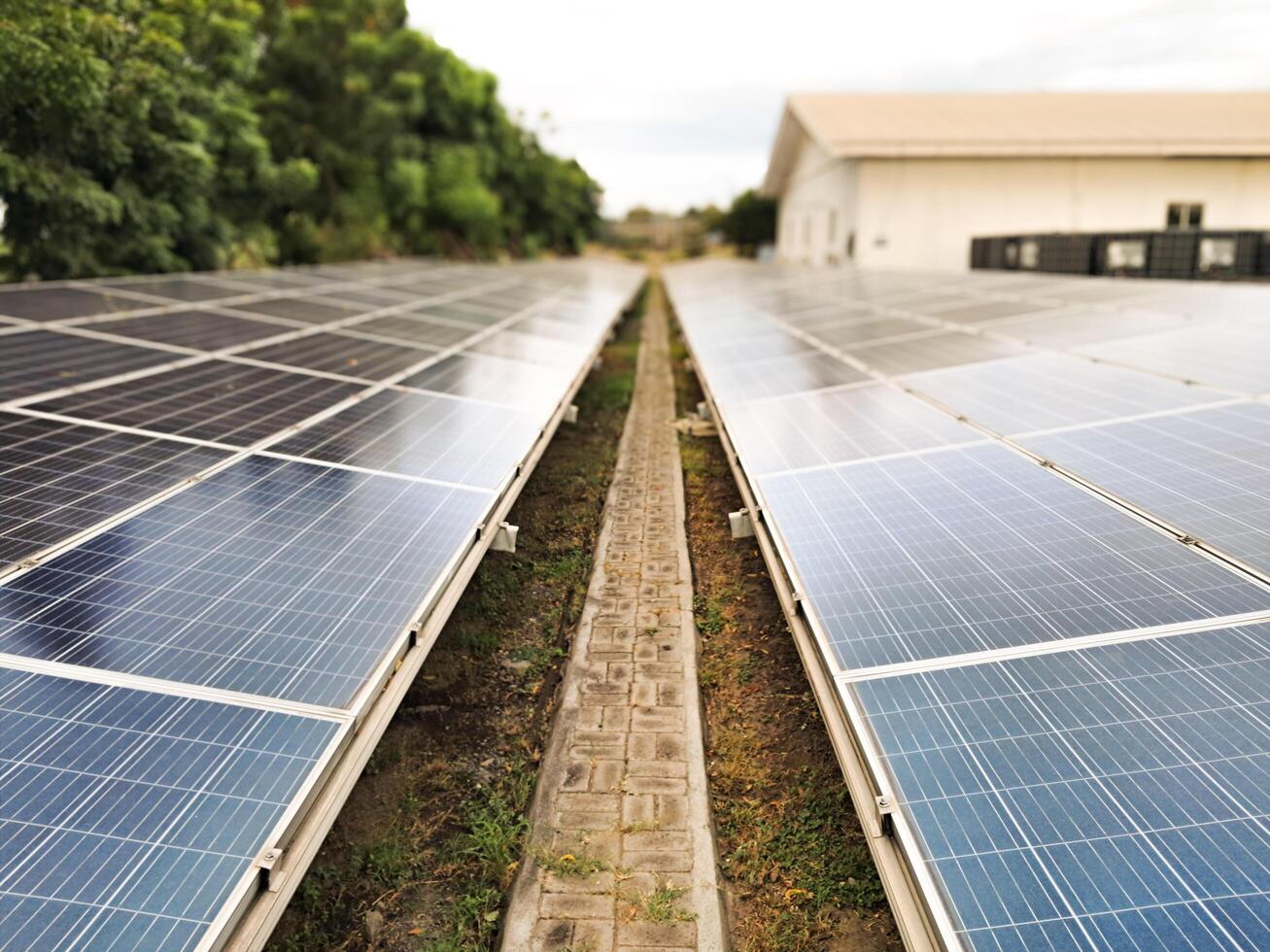
Now, we need a way to catch these photon delivery dudes. That's where solar panels come in! These aren't just any old panels; they're sophisticated photon traps, meticulously designed to capture those solar rays like a Venus flytrap snares unsuspecting flies.
Must Read
A typical solar panel is made of many smaller units called solar cells. And these cells? They're usually made of silicon. Yes, the same stuff they make computer chips out of. Only instead of calculating complex algorithms, this silicon is about to get a tan. A photon tan, that is.
Silicon, in its pure form, isn’t the greatest conductor of electricity. It's more like that friend who promises to help you move but then "conveniently" forgets. So, we have to "dope" it. Don't worry, it’s not illegal! It just means adding tiny amounts of other elements, like phosphorus and boron, to the silicon structure.
We create two layers: a "n-type" layer (doped with phosphorus) which has extra electrons floating around like they're at a rave, and a "p-type" layer (doped with boron) which has "holes" – think of them as empty seats at the same rave, just waiting for an electron to plop down.
The Magic Happens: Creating the Electric Slide
When these two layers are joined, they create a special zone called the "p-n junction." This is where the real party starts. The electrons from the n-type side are all eager to fill those empty holes on the p-type side. They rush across the junction, creating an electric field. Think of it like a microscopic bouncer, keeping the electrons from going back and forth willy-nilly.

Now, back to those photon delivery guys from the sun. When they hit the solar panel, they knock electrons loose from the silicon atoms. These newly freed electrons are then guided by the electric field created by the p-n junction. It's like a tiny electron waterslide, directing them in one direction.
This directed flow of electrons is, you guessed it, electricity! We've successfully created a flow of electrons, also known as electrical current, from sunlight!

Think of it like this: The sun throws a bunch of bouncy balls (photons) at a trampoline (solar panel). When the balls hit the trampoline, they launch little gnomes (electrons) into a water slide (electric field) that leads to a power outlet (your house!).
From DC to AC: The Inverter's Groove
Now, there’s a slight catch. The electricity generated by solar panels is Direct Current (DC). This means the electrons flow in one direction, like a one-way street. Most of our homes, however, use Alternating Current (AC), where the electrons switch directions periodically, like a particularly indecisive dance-off.
This is where the inverter comes in. It's like a translator for electricity. It takes the DC electricity from the solar panels and converts it into AC electricity that your appliances can use. It's the electrical equivalent of learning a new language so you can finally understand that foreign film everyone's been raving about.
So, there you have it! The ridiculously simplified, slightly absurd, but hopefully understandable explanation of how solar energy becomes electricity. From photons bombarding silicon to inverters doing the electric slide, it’s a pretty amazing process. And the best part? It’s clean, renewable energy that helps us keep our planet a little bit greener. Now, if you'll excuse me, I’m going to go charge my phone… powered by the sun, of course!
And remember, the next time you see a solar panel, give it a little nod of appreciation. It's working hard to turn sunshine into something useful. Plus, you might just impress your friends with your newfound knowledge of photovoltaic alchemy!