
How To Convert From Kwh To Kw
Ever stared at your electricity bill, feeling like you needed a decoder ring just to understand it? Yeah, me too. Just last month, my buddy Mark was practically tearing his hair out. "It says I used 350 kWh," he groaned, pointing at a line item, "but my new super-duper gaming PC is rated at like, 800 Watts! How do these numbers even relate? Is my PC sucking up all the power on the block, or what?"
I totally got his frustration. It's like trying to compare apples and… well, not oranges, but maybe apples per minute versus a whole basket of apples. Confusing, right? But here's the cool thing: once you get the hang of it, understanding the difference between kWh and kW (and how they connect!) isn't some dark art. It's just a bit of logic, and honestly, pretty empowering when you realize what your gadgets are really doing.
What's the Big Deal? kW vs. kWh
Let's break it down, because this is where most of the head-scratching happens.
Must Read
First up, kW. That stands for kilowatt. Think of kW as a measure of power. It tells you how much energy an appliance uses or produces at any given moment. Imagine your car's speedometer – it shows you how fast you're going right now. A 1 kW appliance is pulling 1000 Watts of power. So, Mark's 800 Watt PC? That's 0.8 kW. It's like the engine size or how "thirsty" an appliance is for electricity.
Then we have kWh. That's kilowatt-hour. See the "hour" tacked on the end? That's the crucial bit! kWh is a measure of energy. It tells you the total amount of power that was used (or produced) over a specific period of time. This is what your utility company bills you for. If the speedometer (kW) tells you how fast you're driving, the odometer (kWh) tells you how far you've traveled in total. A 1 kW appliance running for one hour consumes 1 kWh of energy. Makes sense, right?
The Tricky Part: Why You Can't Just "Convert" Directly
Here's the kicker, and this is where Mark's confusion really hit its peak: you can't just directly convert kWh to kW without knowing the time involved. It's like asking, "How many miles per hour is 100 miles?" You'd immediately say, "Well, how long did it take you to drive those 100 miles?" See? Time is the missing ingredient!
The Aha! Moment: Time is Key!
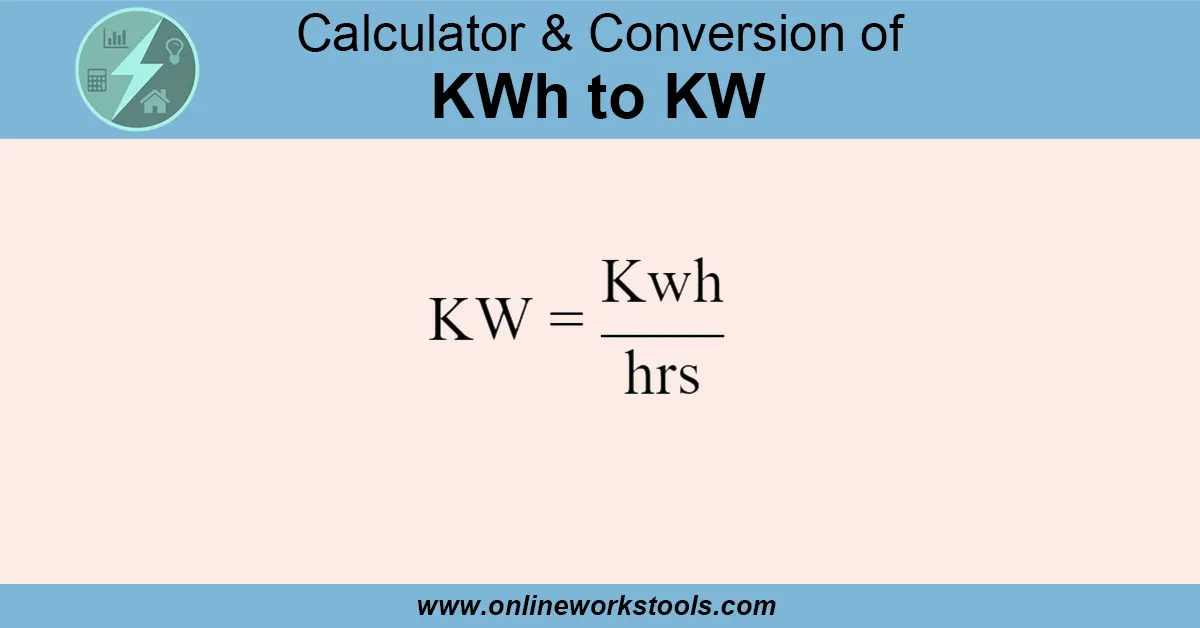
To convert from kWh to kW, you need to know the number of hours over which that energy (kWh) was consumed. The simple relationship is:
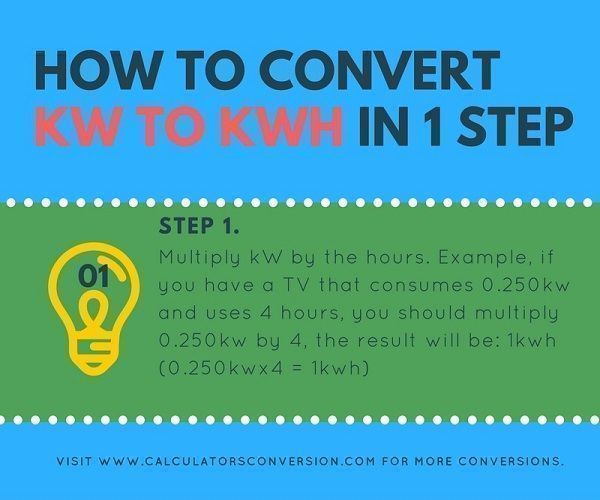
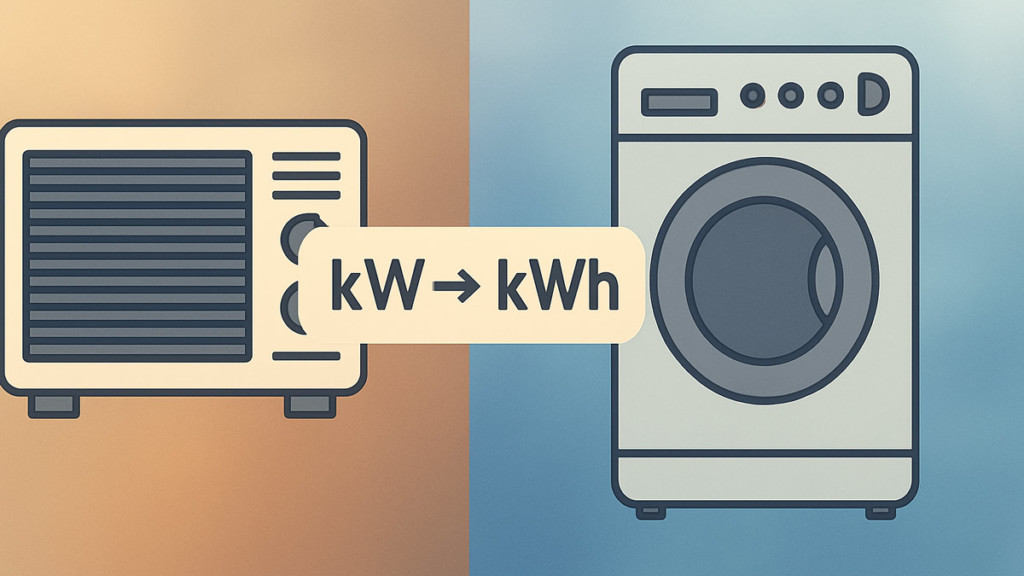
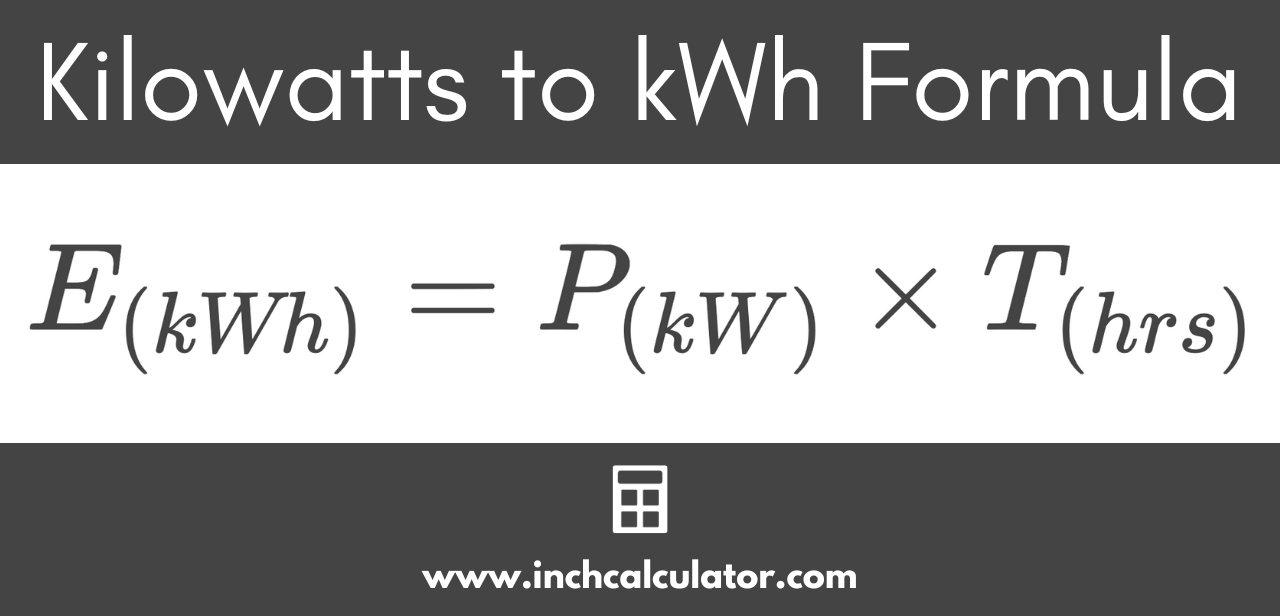
Energy (kWh) = Power (kW) × Time (hours)
So, if you want to find the average power (kW), you just rearrange that formula:
Power (kW) = Energy (kWh) ÷ Time (hours)
Boom! There it is. It's not magic, just math!
Let's Get Practical with Mark's PC!
Back to Mark and his 350 kWh bill. Let's say he wants to figure out the average power (kW) his entire house was pulling over the month. A typical month has about 30 days × 24 hours/day = 720 hours. So, if his total consumption was 350 kWh:
Average Power (kW) = 350 kWh ÷ 720 hours ≈ 0.486 kW
So, on average, his house was drawing about 486 Watts during that month. That's a far cry from the 800 Watts his PC can pull at its peak. This conversion helps you understand your overall energy footprint, not just what one appliance could do.
What if Mark wanted to know the average power his PC itself was using during his epic gaming sessions? Let's say he gamed for 4 hours a day for 20 days in the month (80 hours total) and his gaming consumption was, hypothetically, 50 kWh of that 350 kWh total. Then:

PC Average Power (kW) = 50 kWh ÷ 80 hours = 0.625 kW (or 625 Watts)
This is useful because it tells him that while his PC can hit 800 Watts (0.8 kW), it probably wasn't running at full tilt the entire 80 hours. It's an average, remember?
Why Bother with this Conversion, Anyway?
You might be thinking, "Okay, I get it, but do I really need to know this?" And honestly, while you won't be doing this conversion every day, understanding it gives you a super power:
- It helps you interpret your electricity bill like a pro.
- It lets you estimate the running costs of your appliances more accurately.
- If you're ever looking at solar panels or generators, you'll instantly grasp the difference between their instantaneous output (kW) and their total energy production over time (kWh).
- And let's be real, it just feels good to demystify something that once seemed so confusing!
So, the next time you're staring at your power bill or wondering about an appliance's rating, remember the magic word: time. Without it, you're comparing apples and a journey to the moon. With it, you're a certified energy unit guru. Go forth and conquer your kilowatt-hours!