
How To Convert Dc Voltage To Ac

Ever found yourself staring at a wall outlet, then at your phone charger, and musing about the invisible magic that powers our world? We’re surrounded by electricity, but have you ever stopped to think about how it actually flows? More importantly, have you ever considered how we can transform one type of electrical flow into another? It’s a pretty neat trick, and today, we’re going to peek behind the curtain at how we convert DC voltage to AC.
Think about it: Your car runs on a battery, your phone charges from a battery, and most portable gadgets love batteries. These are all powered by DC, or Direct Current. Imagine electricity flowing like a one-way river, always pushing in the same direction. Simple, right?
Now, look at your wall outlets at home. That's AC, or Alternating Current. Instead of a one-way river, picture the water in that river sloshing back and forth, changing direction many times a second! In most parts of the world, it flips 50 or 60 times every single second. Crazy!
Must Read
Why Bother Changing Rivers into Sloshing Waters?
So, we have DC (batteries, solar panels) and AC (our homes, the national grid). Why can't everything just be one or the other? Well, AC is fantastic for sending power over long distances without losing too much energy. It’s why power lines carry AC across states and countries. DC, on the other hand, is great for storing power (hello, batteries!) and for many sensitive electronics.
But what if you’re out camping with your trusty car battery (DC) and you want to run a blender or charge your laptop (both need AC)? Or what if you’ve got a fantastic solar panel setup producing clean DC power, but your house appliances are all screaming for AC? That’s where the magic conversion happens!
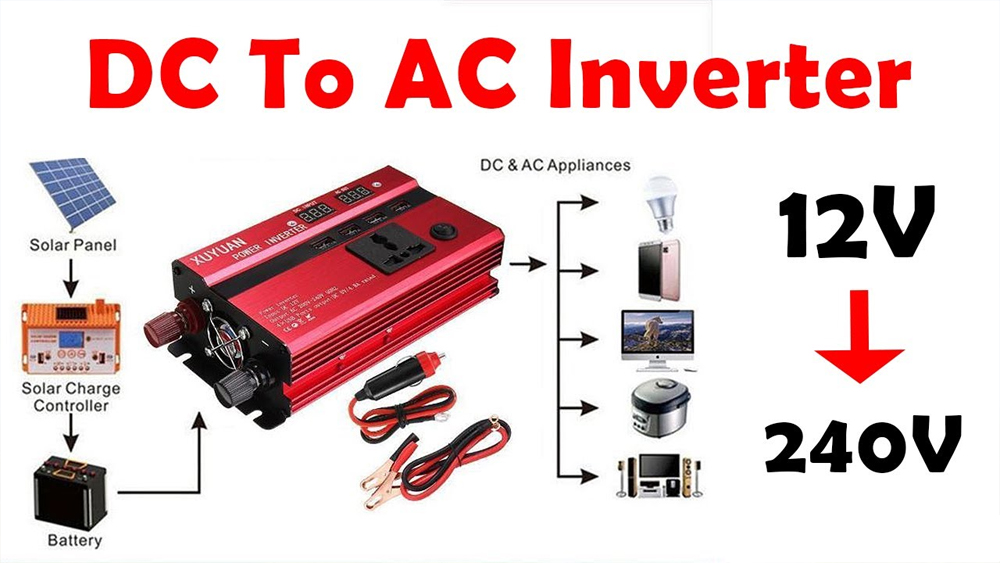
We need a translator, a bridge, a wizard that can take that steady DC flow and turn it into the wiggly, alternating AC flow. And that wizard, my friends, is called an inverter. Sounds fancy, but the basic idea is quite ingenious.
Meet the Inverter: Your Electrical Alchemist
At its heart, an inverter is a device that takes DC power and transforms it into AC power. It's like taking a steady, continuous stream of notes (DC) and rearranging them into a catchy, oscillating melody (AC). Pretty cool, huh?
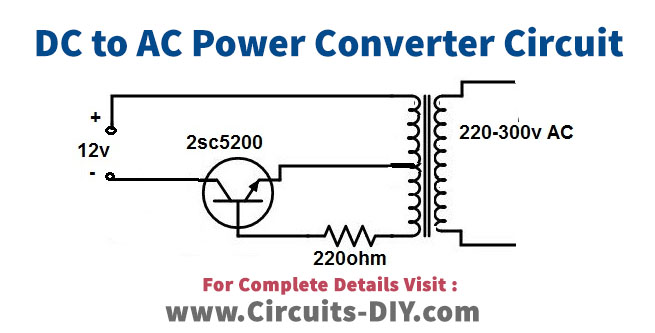
How does it pull off this trick? Well, without diving into super-techy jargon, here’s the gist:
- Chop It Up: The inverter first takes that steady DC voltage and rapidly turns it on and off, like flicking a light switch hundreds or thousands of times a second. Imagine chopping a continuous stream of water into tiny, rapid bursts.
- Flip It Around: Then, it gets clever. After chopping, it starts to reverse the polarity of these rapid bursts. This means it quickly flips the direction of the flow. Think of it like reversing the direction of those chopped water bursts, going forward, then backward, then forward again.
- Smooth It Out: Once it's chopped and flipped, the raw output isn't quite the smooth, wavy AC we know. It's more like a jagged "square wave." So, the inverter uses some clever electronic components (like filters) to smooth out those sharp edges, shaping it into something much closer to the beautiful, undulating sine wave that comes out of your wall sockets. The fancier the inverter, the smoother and "purer" that wave will be.
It's like a tiny, super-fast electronic choreographer, taking a simple, steady dance move and turning it into a complex, rhythmic sway that all your AC appliances understand. All of this happens incredibly fast, silently, and efficiently inside that unassuming box.
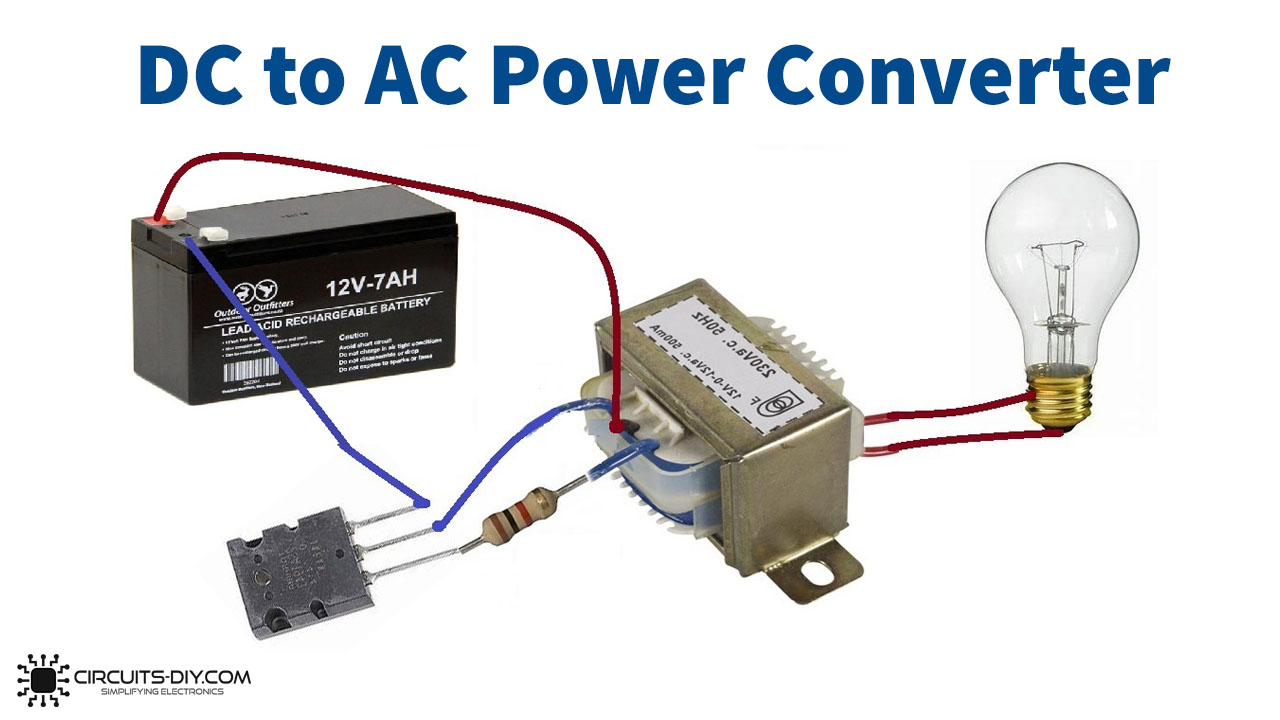
Where Do We See This Magic in Action?
You might be wondering where you encounter this conversion without even realizing it. The answer is, everywhere!
- Road Trips & Camping: Ever plugged a laptop or a mini-fridge into your car's cigarette lighter socket? That small adapter is an inverter, taking your car's 12V DC battery power and giving you usable 120V AC. Talk about convenience!
- Solar Power Systems: Those beautiful solar panels on rooftops? They generate DC power from sunlight. But your home runs on AC. So, a crucial part of any solar setup is the inverter, converting that clean DC energy into power your toaster can use.
- Backup Power: Many uninterruptible power supplies (UPS) that keep your computer running during a power outage use batteries (DC) and an inverter to seamlessly switch over and provide AC power.
- Electric Vehicles: While their batteries are DC, many components within an EV, like the motors (in some designs) and auxiliary systems, might utilize or convert to AC.
Pretty Neat, Right?
It’s easy to take electricity for granted, but when you stop to consider the clever engineering behind everyday devices like an inverter, it’s genuinely fascinating. This ability to transform one form of power into another unlocks so many possibilities, from off-grid living to powering your gadgets on the go.
So, the next time you plug in an appliance to a portable battery pack or see a solar panel gleaming on a roof, give a little nod to the humble inverter. It's quietly performing a bit of electrical alchemy, making sure that whether it’s a steady river or a sloshing tide, the power keeps flowing right where you need it. Isn't science just incredibly cool?
