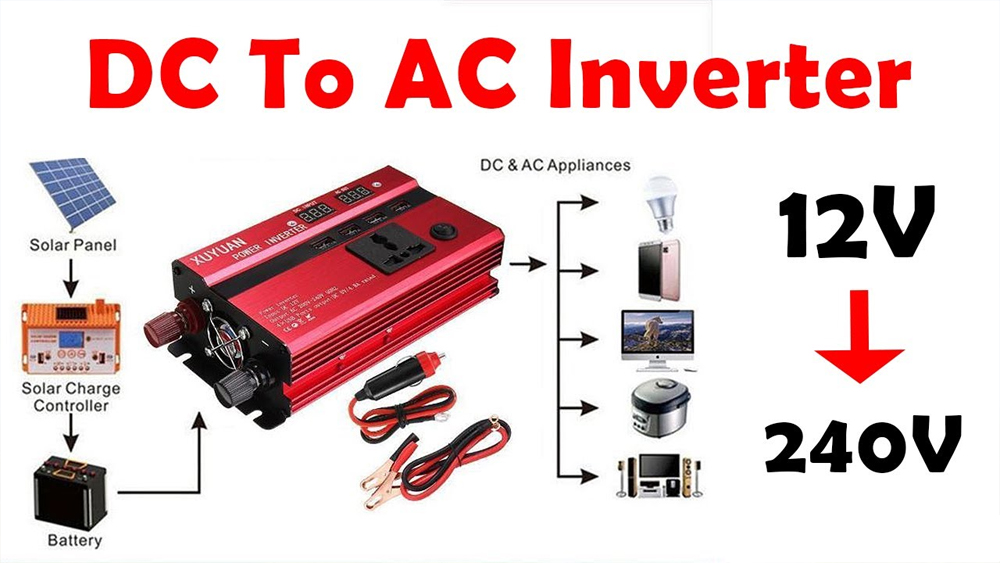
How To Convert Dc Power To Ac

Alright, grab your favorite mug, because we're about to chat about something that sounds super technical but is actually kinda neat: turning that boring old DC power into awesome, usable AC power. Ever been camping and wished you could plug in your regular coffee maker, or maybe charge your laptop without a special adapter? Yeah, that's where this magic comes in!
So, picture this: you're in your car, right? Or maybe you've got a big battery bank for solar panels. That's all Direct Current, or DC. It's like a one-way street for electricity. The electrons just flow steadily from one point to another. Think of a garden hose with water flowing constantly in one direction. Simple, predictable.
But then you look at your house outlets, your fridge, your TV – those all crave Alternating Current, or AC. This is where things get a bit more... wiggly. AC electricity doesn't just flow in one direction; it actually switches back and forth, vibrating at a super-fast rate (like 50 or 60 times a second, depending on where you are in the world!). Why the flip-flopping? Well, AC is just way better for sending power over long distances and it's what most of our everyday gadgets are built to use. It's like the electrical grid's preferred language.
Must Read
So, How Do We Translate DC to AC?
This is where our hero, the power inverter, steps in! Imagine it as a super-smart translator box. It takes that steady, one-way DC flow and whips it into that bouncy, back-and-forth AC goodness. How does it do it? In a nutshell, it's a three-stage dance.
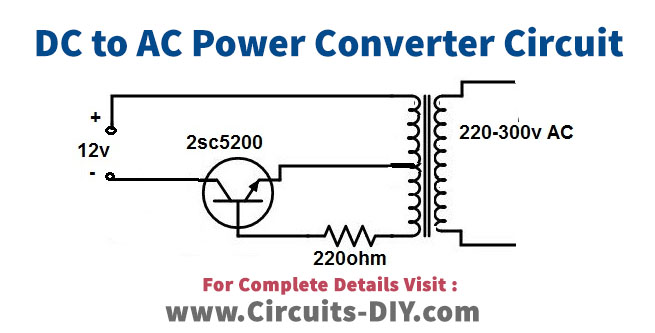
First up, the inverter needs to turn that constant DC flow into something that can alternate. It does this by rapidly switching the DC current on and off, on and off, thousands of times a second. Think of it like a really fast light switch, creating tiny pulses. It's not quite AC yet, but we're getting there!
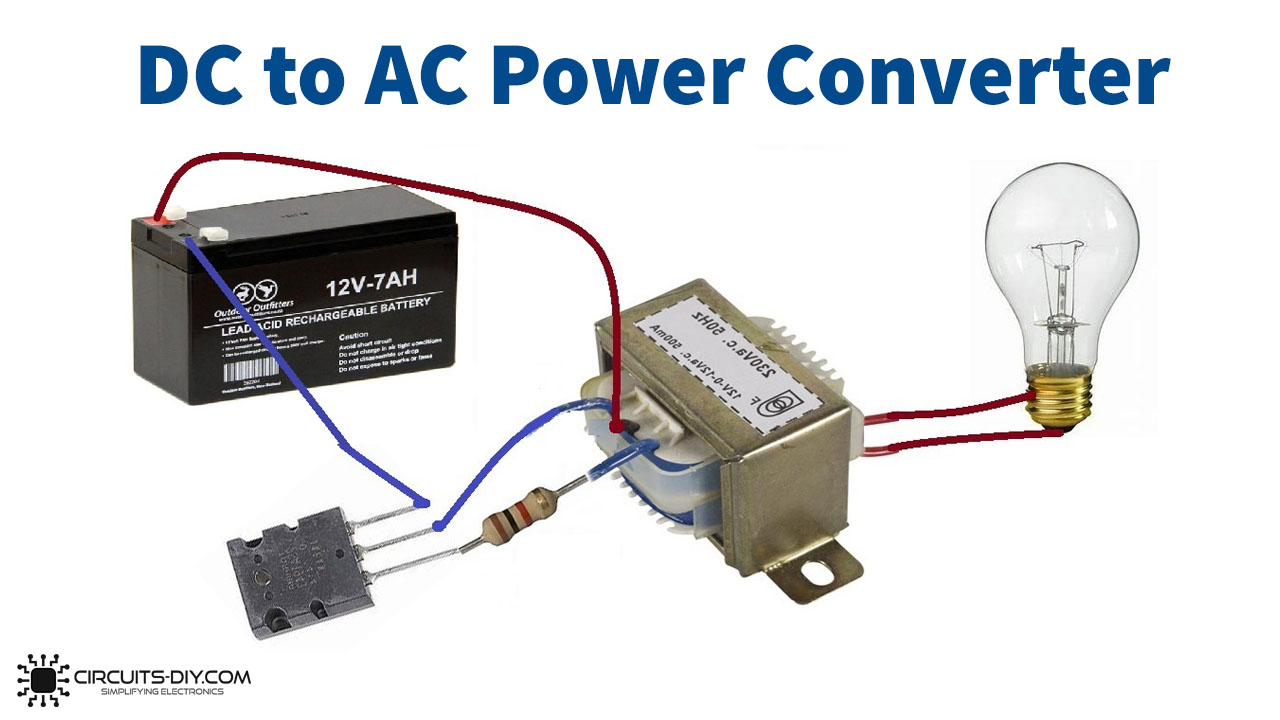
Next, these pulses are sent through a transformer. This is like the muscle of the operation. Transformers are awesome because they can take a low voltage (like your car's 12V DC) and ramp it up to a higher voltage (like the 120V or 240V AC your appliances need). It’s kind of like stepping on a seesaw – one side goes up, the other goes down, but it needs a little push.
Finally, we need to smooth things out. Those rapid on-off pulses from earlier, even after going through the transformer, are still pretty rough around the edges. They look more like a jagged staircase than a smooth wave. So, the inverter uses clever electronic wizardry (filters and circuits, if you want to get fancy) to sculpt these pulses into a nice, clean, sinusoidal wave. That's the shape AC power loves. It’s like taking a rough sketch and turning it into a beautiful, flowing painting.
Not All AC Waves Are Created Equal, My Friend
Now, here's a little secret: not all inverters create the exact same kind of AC wave. There are generally two main types you'll encounter:
The first is the Modified Sine Wave Inverter. This one is like the "good enough" option. It tries its best to mimic that smooth AC wave, but it ends up looking a bit more like a series of steps or blocks. It’s good for a lot of basic stuff – charging phones, running simple tools, maybe a light bulb. They're usually cheaper, too. But for sensitive electronics, things with motors, or anything that likes a really clean power source (like your fancy coffee grinder or a medical device), it can sometimes cause issues or make things run less efficiently.

Then there's the rockstar: the Pure Sine Wave Inverter. This is the gold standard. It produces AC power that's virtually identical to what you get from your wall outlets at home. Super smooth, super clean. Your sensitive electronics will thank you, your motors will hum happily, and everything will run as intended. They cost a bit more, but for anything important or expensive, they're absolutely worth the investment. Think of it as the difference between a bumpy dirt road and a freshly paved highway for your electricity.
A Quick Nudge About Safety (Because We Like Our Fingers)
While converting power is super cool, remember we're dealing with electricity! Always make sure your inverter is properly sized for what you want to plug into it. Don't try to power your entire house with a tiny inverter meant for charging your phone. And always, always follow the manufacturer's instructions. When in doubt, maybe ask someone who knows their amps from their volts. Safety first, right?
So there you have it! From a steady trickle of DC to the vibrant, oscillating dance of AC, all thanks to that clever little box called an inverter. It's not just a gadget; it's a bridge, empowering you to bring your home comforts wherever your adventures take you. Pretty cool, huh?