How To Convert A 220 Plug To 110

Have you ever found yourself in a new country, eagerly plugging in your trusty hairdryer or phone charger, only to realize the socket looks completely different? Or perhaps you've stumbled upon a fantastic vintage appliance that runs on a different voltage than your home’s outlets? This is where the fascinating world of electrical voltage conversion comes into play! It's not about magically altering the prongs of a plug, but rather understanding how to safely bridge the voltage gap between your beloved device and the power outlet. Far from a dry technical lesson, learning about this can be incredibly empowering and save you from inconvenient surprises, costly replacements, or even damaging your gadgets.
The primary purpose of understanding how to "convert" between voltages – for instance, from a 220-volt supply to power a 110-volt device – is sheer versatility and preservation. Imagine you're from North America (where 110-120V is standard) traveling to Europe or Asia (mostly 220-240V). Without the right knowledge or tools, your favorite hair straightener could either fizzle out, overheat, or simply not work at all. The benefit here is clear: you get to use your existing electronics anywhere in the world, saving money on buying duplicates and reducing electronic waste. It means your trusted laptop charger, camera battery charger, or even a cherished kitchen gadget can accompany you, extending its lifespan and utility across different electrical landscapes.
This knowledge isn't just for globetrotters. In daily life, it can apply to international students or expatriates who bring appliances from their home countries. You might have a beloved coffee machine from Italy that runs on 220V, but your new home in Canada supplies 110V. Instead of parting with it, you can explore solutions. In an educational context, understanding voltage differences and how they're managed offers a tangible lesson in basic electricity. It touches upon concepts like
Must Read
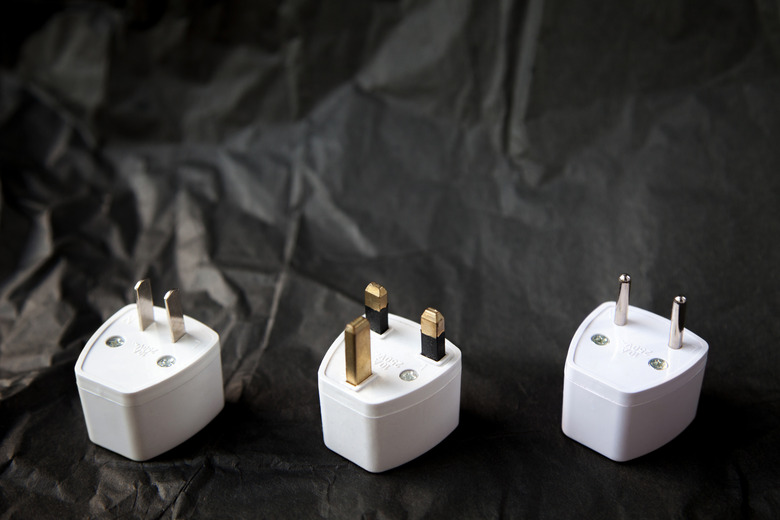
Ready to explore this further? Here are some practical tips. Firstly, and most importantly: always check your device’s power label! Many modern electronics, especially laptop and phone chargers, are "dual voltage" (e.g., input: 100-240V, 50/60Hz). If your device is dual voltage, you simply need a
Remember, the key is understanding and using the correct tools – never attempt to rewire a plug or outlet yourself unless you are a qualified electrician. This isn't about DIY electrical modifications but about intelligently adapting to different power standards. By knowing the difference between a simple plug adapter and a voltage converter, you gain the confidence to plug in safely, whether you're across the globe or just across the street from a new electrical curiosity. It’s an empowering piece of knowledge that makes the world a little more accessible, one safe connection at a time!