
How To Control Dust In House
.png)
Ah, the eternal struggle: dust. It’s the uninvited guest that always shows up, no matter how much you clean. It settles on surfaces, floats in sunbeams, and somehow, inexplicably, reappears just hours after you’ve banished it. But what if we told you that controlling dust doesn't have to be a Sisyphean task? It's all about understanding your foe and deploying the right strategies with a touch of ease and a dash of savvy. Let's make your home a cleaner, calmer oasis, one dust bunny at a time!
First, What Exactly Is This Pesky Stuff?
Before we go to war, let's understand the enemy. Dust isn't just 'dirt.' It's a fascinating, albeit unwelcome, cocktail of microscopic particles. Think of it as a tiny, unwelcome ecosystem: dead skin cells (mostly from you and your beloved pets!), fabric fibers from clothes and furniture, pollen, pet dander, soil particles, and even tiny bits of insect detritus. Fun fact: About 70% of house dust is made up of dead skin flakes. So, in a weird way, you're constantly living with a little piece of yourself!
The Art of the Wipe Down: Microfiber is Your MVP
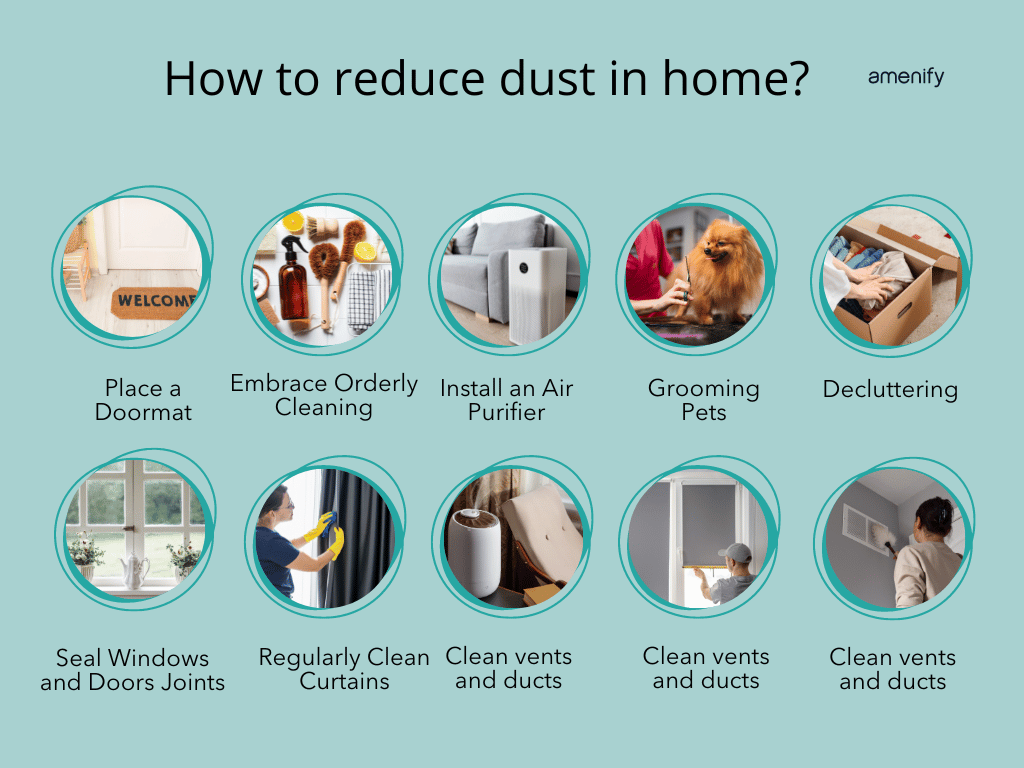
Forget those fluffy feather dusters that just… move the dust around like a bewildered sheepdog. Enter the hero: the microfiber cloth. These champions have tiny, electrostatically charged fibers that literally grab and hold onto dust particles. For best results, lightly dampen your microfiber cloth. The moisture helps trap even more particles. Always start high and work your way down, so any falling dust lands on lower surfaces you haven't cleaned yet.
Must Read
Vacuuming Like a Pro (with a Secret Weapon)
Your vacuum isn't just sucking up dirt; it's also a tiny air purifier if it has a HEPA filter. HEPA stands for High-Efficiency Particulate Air, and these filters are designed to trap 99.97% of particles 0.3 microns or larger. Originally designed to capture radioactive particles in atomic energy plants, these filters are now our secret weapon against allergens and, yes, dust. Aim for at least once or twice a week, moving slowly to give the suction time to work its magic. Don't forget those often-missed spots like under furniture and along baseboards.
Air Purifiers: Your Indoor Bodyguards
Think of an air purifier as your home's personal bodyguard against airborne invaders. While your HVAC system’s filter helps, a dedicated air purifier, especially one with a HEPA filter, can significantly reduce the amount of dust circulating in your living space. Place them in high-traffic areas or bedrooms to filter out particles before they settle.

Declutter to Destress (and De-Dust!)
This one's a no-brainer but often overlooked. Every knick-knack, every stack of magazines, every decorative pillow is just another landing strip for dust. The fewer surfaces you have, the less dust has a place to settle, and the less you have to clean! Channel your inner Marie Kondo and let go of items that don't spark joy… or that are just gathering dust.
Bedding & Beyond: The Linen Laundry Day
Your bed is a veritable banquet for microscopic dust mites, especially if you have allergies. These tiny creatures thrive in warm, humid environments and feed on — you guessed it — dead skin cells. To keep them at bay, wash your bedding (sheets, pillowcases, duvet covers) in hot water (130°F/54°C) weekly. Don't forget to wash pillows and duvets quarterly, or at least tumble them on a hot setting in the dryer to zap those mites.

The Shoe-Free Zone: Keep the Outside, Out!
Much of the dust, dirt, and allergens in our homes are tracked in from outside. Think about all the places your shoes go! Like the Japanese tradition of removing shoes before entering the home, adopting a 'shoes-off' policy can drastically reduce the dust burden. Add a good quality doormat at every entrance to catch what you might miss.
The Green Touch: Houseplants (They Help, a Little!)
While they won't magically eliminate all dust, certain houseplants like spider plants, peace lilies, and snake plants are fantastic natural air purifiers, helping to filter out toxins and improve overall air quality. Plus, they look great and bring a calming, natural vibe to your space!

Humidity Check: Not Too Dry, Not Too Wet
Dust tends to float around more in dry air, making it harder to capture. On the flip side, too much humidity can encourage dust mites and mold. Aim for a comfortable indoor humidity level between 40-50%. In drier climates or seasons, a humidifier can help settle dust, making it easier to clean.
Ventilation: Let Your Home Breathe
Open windows and doors whenever possible (when pollen counts aren't through the roof!). Fresh air circulation can help push out airborne dust particles and bring in cleaner air. Just remember to clean your window sills afterwards, as outdoor dust and pollen will inevitably make their way in.
Conquering dust isn't just about a pristine aesthetic; it's about creating a sanctuary where you can breathe easier and feel more at peace. It’s a gentle reminder that a little consistent effort goes a long way in making your living space truly yours—clean, calm, and effortlessly comfortable. So grab your microfiber, put on some music, and transform your home into a happier, dust-free haven!
