
How To Connect Solar Panel To House Electricity

Let's face it, harnessing the power of the sun is just plain cool. And more than that, it's increasingly practical! Whether you're dreaming of lowering your electricity bills, reducing your carbon footprint, or just embracing a bit of DIY, connecting solar panels to your house's electricity is a rewarding adventure. It might sound intimidating, but breaking it down makes it much more manageable.
Why should you care about connecting solar panels? For beginners, it's about dipping your toes into the world of renewable energy and potentially saving some money. Imagine the satisfaction of knowing you're powering your lights with sunshine! For families, solar power can be a fantastic way to teach kids about sustainability and responsibility, all while contributing to a greener future for them. Plus, the long-term savings can make a real difference to the family budget. And for the hobbyists out there, connecting solar panels offers a fun and challenging project that combines electrical know-how with environmental consciousness. It's a chance to experiment, learn, and tinker with a technology that's shaping the future.
There are a few ways to connect solar panels to your home electricity, and the best method depends on your needs and skill level. The simplest approach is a grid-tied system. This connects your solar panels to your home's electrical panel, allowing you to use the solar power directly. When the sun isn't shining, you draw power from the grid as usual. You can even sell excess solar energy back to the grid! Another option is an off-grid system, which requires batteries to store the solar energy for use when the sun isn't out. This is ideal for remote locations or those seeking energy independence. Finally, there are hybrid systems which combine the best of both worlds: grid connection and battery storage. This provides both cost savings and backup power during outages.
Must Read
So, how do you get started? First, research is key. Understand your local electricity regulations and net metering policies (if you're considering a grid-tied system). Then, assess your energy needs. How much electricity do you use each month? This will help you determine the size of solar panel system you require. Next, consult with a qualified solar installer. They can help you design a system that meets your needs and ensure it's installed safely and correctly. Even if you plan to do some of the work yourself, a professional can provide valuable guidance. For smaller, DIY projects like powering a shed or a small appliance, you can find readily available solar kits that include everything you need to get started.
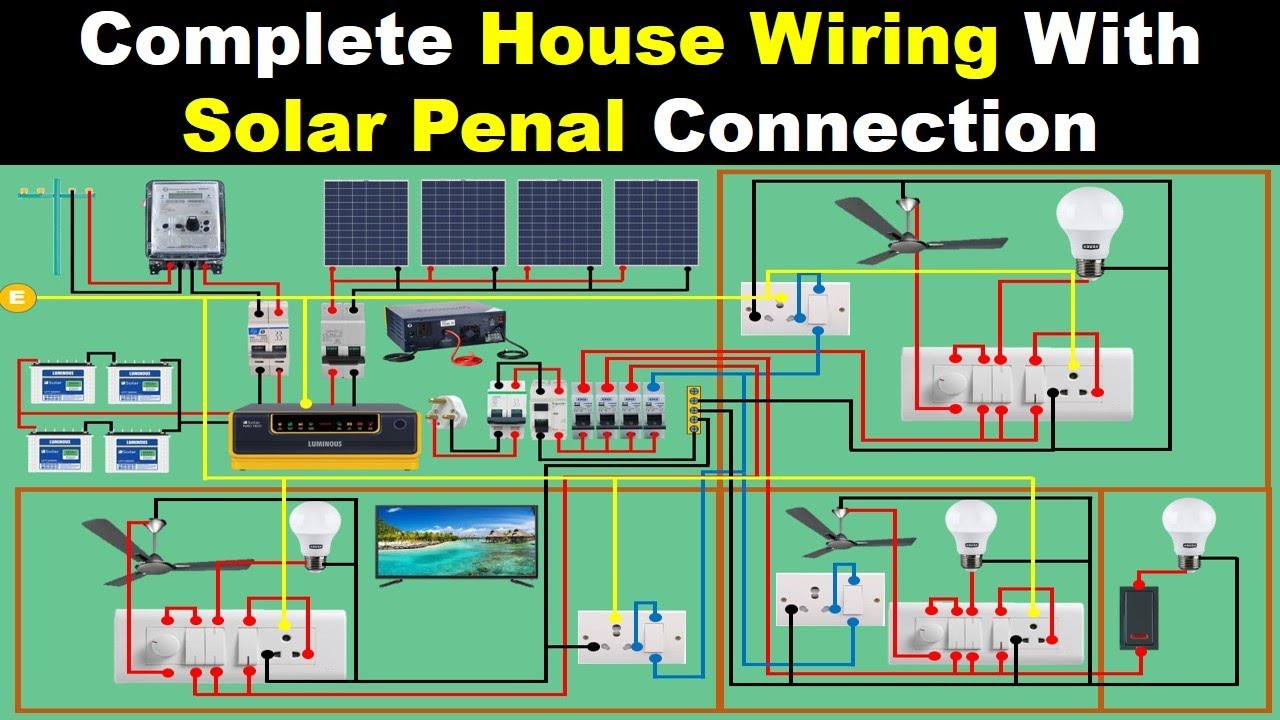
A simple, practical tip? Start small! Don't feel like you need to cover your entire roof with solar panels on day one. Experiment with a small, off-grid system to power a garden shed or a few outdoor lights. This will give you a feel for how solar power works and build your confidence before tackling a larger project.
Connecting solar panels to your house electricity is more than just a technical task; it's an opportunity to embrace a more sustainable lifestyle and potentially save money along the way. The journey of generating your own clean energy is incredibly rewarding, and with a little planning and effort, you can start harnessing the power of the sun today! Enjoy the process and the feeling of contributing to a brighter, greener future.


