How To Connect Power Inverter To Car Battery
Ever wished you could power your laptop on a long road trip, or maybe run a small appliance at a campsite? The solution is simpler than you think: a power inverter! Connecting one to your car battery is like having a miniature electrical outlet on wheels. It's a surprisingly accessible piece of technology, and understanding how it works opens up a world of possibilities, from emergency preparedness to convenient on-the-go power.
So, what exactly is a power inverter? Simply put, it's a device that converts the direct current (DC) electricity from your car battery into alternating current (AC) electricity, which is the type of power used by most household appliances. Think of it as a translator, allowing your car's battery to "speak the language" of your electronics.
The benefits are numerous. Imagine a student on a field trip needing to recharge their laptop for a presentation. A power inverter makes it possible. Or picture a family on a camping adventure using a portable coffee maker to brew fresh coffee in the wilderness. Perhaps a construction worker using power tools at a remote job site. These are just a few examples of how power inverters can be incredibly useful in education, recreation, and daily work.
Must Read
Now, let's get practical. Connecting a power inverter to your car battery is generally a straightforward process, but safety is paramount. Always consult the manufacturer's instructions for both the inverter and your vehicle. Here’s a general overview:

- Safety First: Make sure your car is turned off! This prevents accidental electrical surges.
- Locate the Battery: Usually under the hood, but sometimes in the trunk.
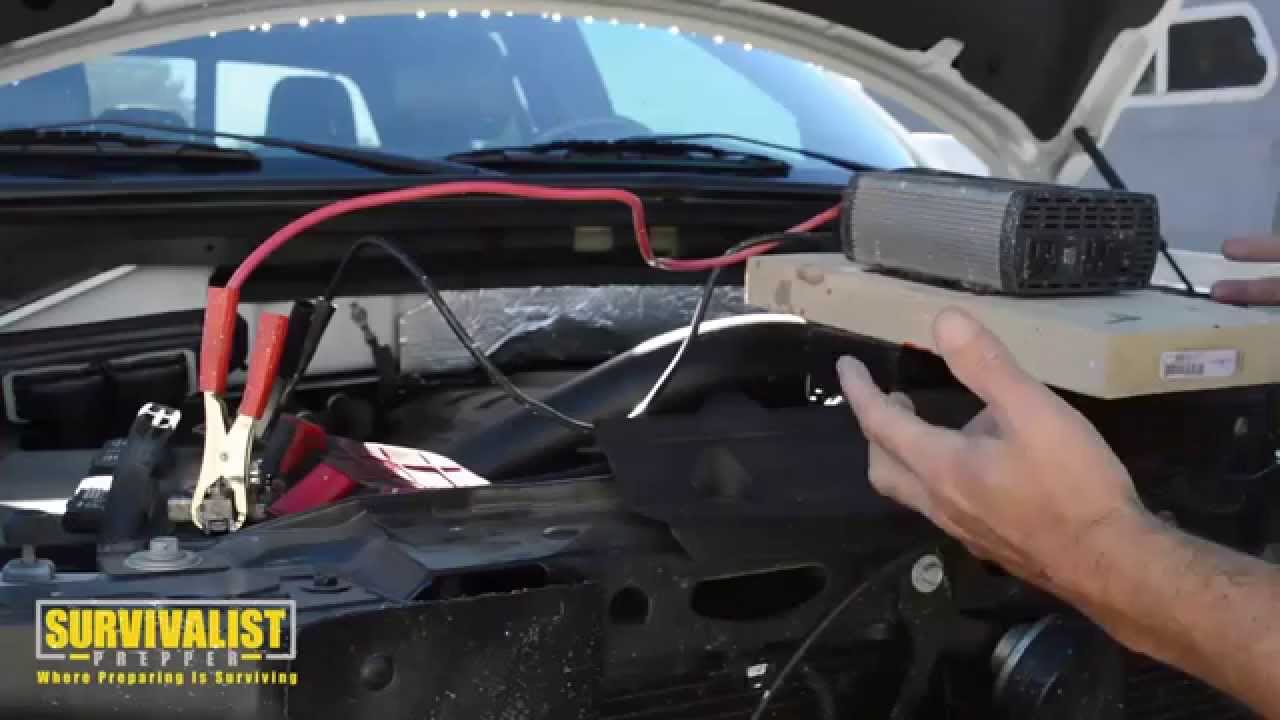
- Connect the Cables: Most inverters come with clamps or cables. The red cable always connects to the positive (+) terminal of the battery, and the black cable connects to the negative (-) terminal. Ensure a secure connection. Some inverters plug directly into your car's cigarette lighter (accessory port), but these are typically for lower-power devices. For higher wattage appliances, connecting directly to the battery is recommended.
- Turn it On: Once connected, turn on the power inverter. A light usually indicates it's receiving power.
- Plug and Play: Now you can plug in your device, keeping in mind the inverter's wattage rating. Don't overload it!
Important Tips:
- Never run the inverter for extended periods with the engine off, as this can drain your battery. Start the engine periodically to recharge it, especially when using high-wattage devices.
- Be mindful of the wattage of your devices. Choose an inverter with a wattage rating that exceeds the combined wattage of the devices you plan to use.
- Keep the inverter in a well-ventilated area to prevent overheating.
Want to explore this further? A simple experiment is to connect a small, low-wattage inverter to your car battery and power a small lamp. It's a great way to see the technology in action! You can also research different types of inverters (modified sine wave vs. pure sine wave) to understand their suitability for various appliances. Connecting a power inverter to your car battery is a convenient way to bring the comforts of home on the road. With a little knowledge and caution, you can harness the power of your car battery to keep your devices charged and your adventures powered up!