
How To Connect Battery In Series And Parallel
Let's talk batteries. Those little powerhouses we take for granted. But have you ever stopped to think about how they work together? I mean, really work together. Not just sitting side-by-side in your remote control.
There are two main ways to hook batteries up: in series and in parallel. Think of it like this: are your batteries holding hands (series) or having a group hug (parallel)? Okay, maybe that's a bit weird, but bear with me.
Series Connections: The Voltage Boost
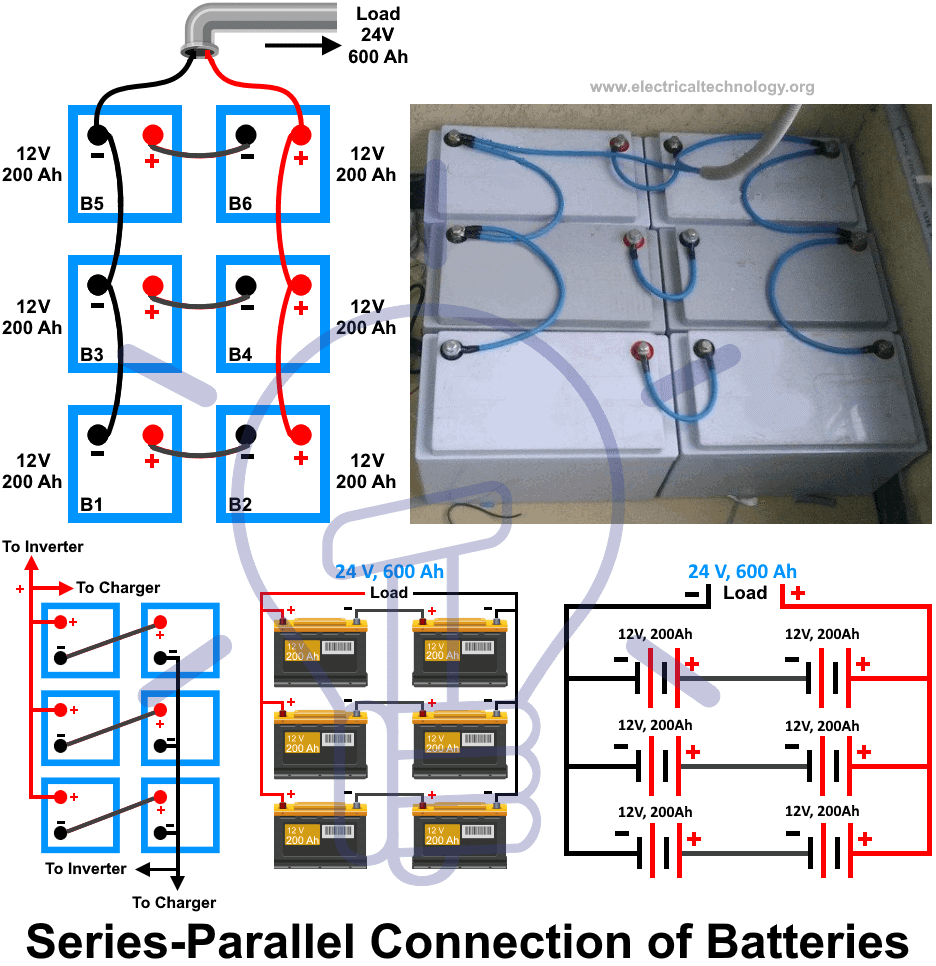
Series is where you line 'em up, positive to negative, like a conga line of electricity. You link the positive terminal of one battery to the negative terminal of the next, and so on. Imagine batteries as tiny little power plants, each producing a certain amount of electricity measured in volts. In series, you're essentially adding up all those voltages.
Must Read
Think of it like this. You have a bunch of 1.5-volt AA batteries. Hook them up in series, and BAM! You’ve got a higher voltage to power something that needs a bigger kick. Think powerful flashlights or maybe even powering up your evil genius gadget... just kidding! (Mostly.)
Here's my unpopular opinion: figuring out series connections is actually kind of fun. It's like simple math with a practical payoff. Plus, you get to play with wires. Who doesn’t like wires?

Important thing to remember: when hooking batteries in series, it's generally best to use identical batteries. Same voltage, same capacity, same brand, same... personality? Okay, maybe not personality. But you get the gist. Mismatched batteries can lead to some unhappy situations. Trust me.
Parallel Connections: The Long Haul
Now, let's talk parallel. This is where you connect all the positives together and all the negatives together. It's like a team effort, sharing the load. Think of it like a battery support group.

In parallel, the voltage stays the same, but the current (measured in amps) increases. Basically, you're getting more staying power. It's like having a bigger gas tank for your electric car. You can drive further without having to recharge.
I have an unpopular opinion about parallel connections, though. They are a bit... boring? You don't get the thrill of upping the voltage, but you do get to stretch your battery life. Ideal for something that needs to run for a long time at a steady pace, like a portable speaker at the beach.
When connecting batteries in parallel, again, similar batteries are your friends. Capacity is especially crucial here. Batteries with vastly different capacities can lead to one battery working harder than the others, which isn’t fair. Battery equality now!
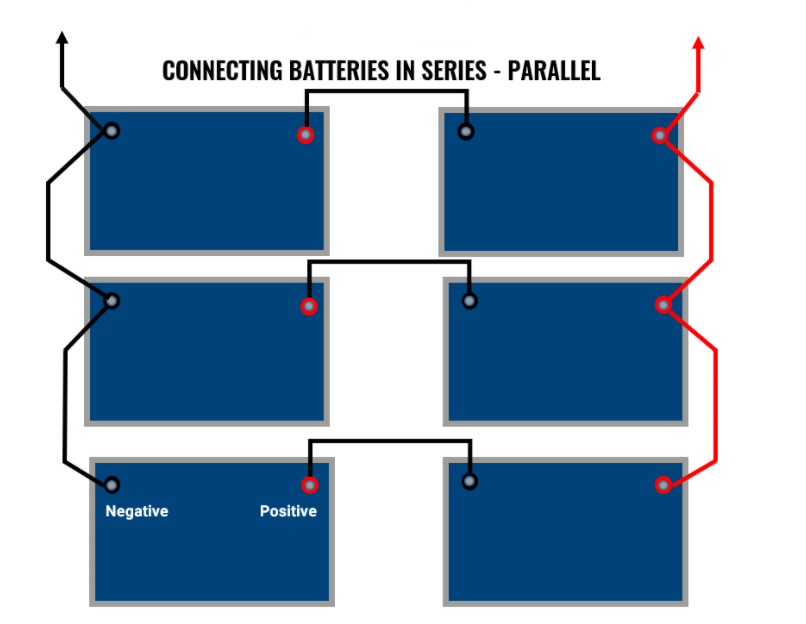
A parallel connection isn't about adding power so much as spreading the responsibility of powering. It is about endurance.
Series vs. Parallel: Which One is Right For You?
It all depends on what you’re trying to power! Need more voltage? Series is your pal. Need longer runtime? Parallel it up! Or, do you want to be really fancy, combine series and parallel connections for a voltage boost and extended runtime. Prepare to blow some minds!
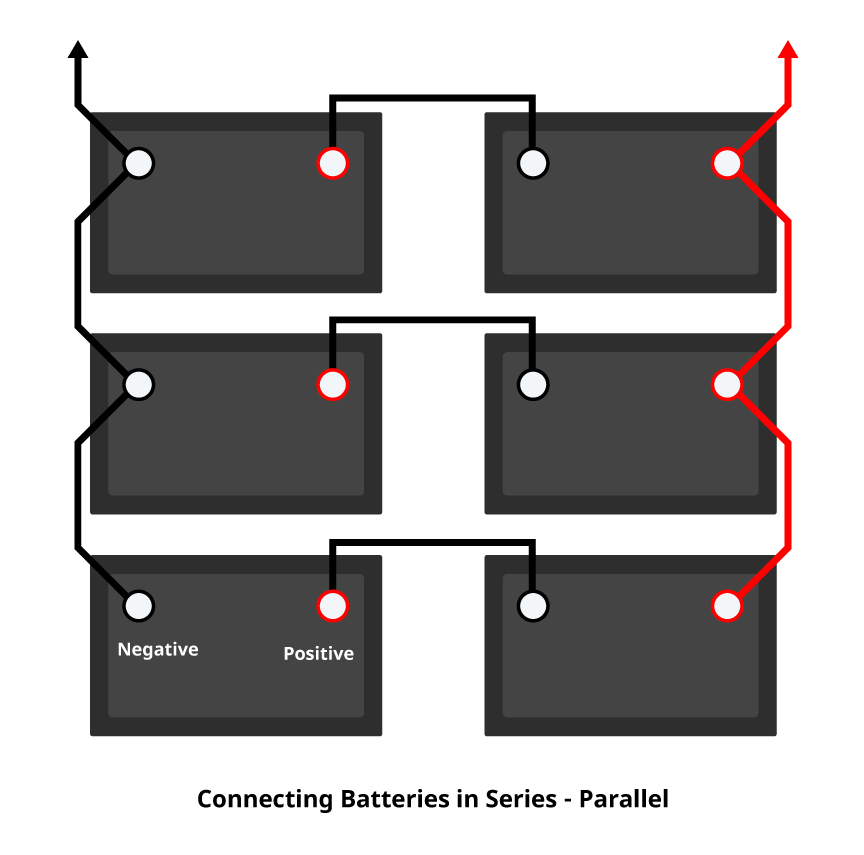
I'll confess, sometimes I combine the two just to feel like a battery wizard. Is it necessary? Probably not. Is it fun? Absolutely.
Of course, messing with batteries can be a bit risky. Always double-check your connections, and don't do anything you're not comfortable with. And if you're unsure, ask an expert. There are plenty of people out there who love batteries as much as (or maybe even more than) I do.
So, next time you’re thinking about powering something, remember the battery conga line (series) and the battery group hug (parallel). And remember, have fun! It's all just electrons flowing around, trying to do their job.