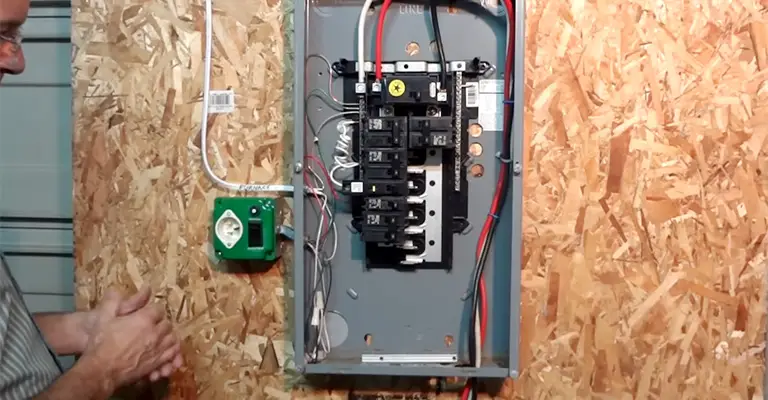
How To Connect A Generator To Your Breaker Box

Okay, so the power's out. Again. Candles are romantic for, like, five minutes, right? After that, you're just bumping into things and wondering if you left the fridge door open. Wouldn't it be awesome to, you know, just poof bring the lights back on? That’s where your generator comes in! But connecting it to your breaker box? Sounds a bit… intimidating, doesn't it? Don't worry, we're going to break it down in a way that's less "electrical engineering textbook" and more "building a really cool LEGO set."
Why is this even a thing you'd want to do? Well, think about it: instead of running extension cords all over the place, tripping over them in the dark, and only powering a few essential items, you could have your whole house (or at least the important parts!) humming along. It's like upgrading from a tiny flashlight to stadium lighting! Pretty sweet, huh?
Understanding the Key Player: The Transfer Switch
Now, here's the absolute, non-negotiable thing you need to know: you CANNOT just plug a generator directly into a wall outlet to backfeed your breaker box. Seriously. Don't even think about it. It’s like trying to force a square peg into a round hole… but with potentially disastrous and deadly consequences. We're talking fried appliances, risk of fire, and even endangering utility workers who are trying to restore power. Not cool. Not cool at all.
Must Read
The hero of our story is something called a transfer switch. Think of it as a traffic controller for electricity. It ensures that your generator's power goes where it needs to go (your house!) and, most importantly, prevents it from going where it shouldn't go (back into the grid). It's like a bouncer at a club, making sure only the right people (electricity) get in.
There are two main types: manual and automatic. A manual transfer switch is the simpler, more affordable option. When the power goes out, you physically flip a switch to disconnect from the grid and connect to your generator. An automatic transfer switch (ATS) is the James Bond gadget of the electrical world. It detects a power outage and automatically switches over to generator power. It's like having a tiny, diligent robot taking care of everything for you.

The (Simplified) Steps: Let's Get Practical
Alright, let's walk through the basic process, keeping in mind that this is a general overview and you ABSOLUTELY MUST consult with a qualified electrician before doing any electrical work yourself. Think of this as the inspiration, and the electrician as the expert builder who makes sure everything is safe and up to code.
Here's the gist:

- Installation: This is where the electrician comes in. They'll install the transfer switch near your breaker box and wire it appropriately. This involves disconnecting your house from the grid and wiring the transfer switch to both the grid and your generator. This is the most complex part and requires professional expertise.
- Power Outage: The lights go out! Grab a flashlight (or your phone).
- Generator Setup: Get your generator outside in a well-ventilated area. Never run a generator indoors or in an enclosed space. It's like trying to have a campfire in your living room – bad idea!
- Connect the Generator: Plug the generator into the transfer switch using a heavy-duty power cord. The transfer switch should have a dedicated receptacle for the generator.
- Switching Over (Manual Switch): Flip the switch on the transfer switch from "Line" (grid power) to "Generator." Make sure you've turned off any high-draw appliances (like your AC or electric oven) before switching over to avoid overloading the generator.
- Enjoy the Power! Bask in the glorious glow of electricity! But remember to conserve power and only use what you need. It's like rationing your favorite snacks – you want them to last!
- Power Restored: When the grid power comes back on, switch back to "Line" on the transfer switch before turning off the generator. Let the generator cool down before storing it.
Why This is Cool (Beyond the Obvious)
Okay, so having power during an outage is obviously a huge win. But there's more to it than just avoiding spoiled food and boredom. Think about:
- Peace of mind: Knowing you're prepared for the next outage is a big stress reliever. It's like having an emergency kit for your house.
- Protecting your appliances: A surge protector can only do so much. A transfer switch helps isolate your house from power surges that can occur when the grid goes down or comes back online.
- Being a good neighbor (sort of): While you can't power your entire street, having a generator allows you to maintain essential services, like medical equipment, and help out vulnerable family members or neighbors if needed.
Connecting a generator to your breaker box might seem daunting at first, but with the right equipment (namely, a transfer switch!), a little understanding, and the expertise of a qualified electrician, it's totally achievable. It’s like leveling up your home's preparedness and giving yourself the superpower of bringing the lights back on when everyone else is in the dark. Just remember, safety first! Now, go forth and conquer those power outages! (But seriously, call an electrician.)