How To Close Your Above Ground Swimming Pool
Okay, summer's winding down, the kids are back in school, and those pumpkin spice lattes are calling your name. But before you fully embrace autumn, there's one last, crucial task: closing your above ground swimming pool. Don't groan! Think of it as tucking your pool in for a long winter's nap, ensuring it's ready to go again when the sun reappears next year. Plus, doing it right now saves you a huge headache (and potentially a hefty repair bill) come spring.
Why is closing your pool important? Well, for beginners, it's about protecting your investment. A properly closed pool is less likely to suffer damage from freezing temperatures, algae growth, and debris accumulation. For families, it's about ensuring a clean and healthy pool ready for next summer’s fun. Nobody wants to spend weeks cleaning up a green, swampy mess! And for the hobbyists, the meticulous pool owners who take pride in their backyard oasis, closing is a ritual – a chance to fine-tune the water chemistry, inspect the equipment, and make sure everything is in tip-top shape.
So, where do you start? The most important step is to clean your pool thoroughly. Skim the surface, vacuum the bottom, and brush the walls. Think of it as giving your pool a spa day before its big sleep. Next, balance your water chemistry. Test the pH, alkalinity, and calcium hardness and adjust them accordingly. This prevents corrosion and scaling over the winter. Lower the water level to about 4-6 inches below the skimmer, depending on your local climate and pool cover. You can use your filter pump to do this or rent a submersible pump.
Must Read
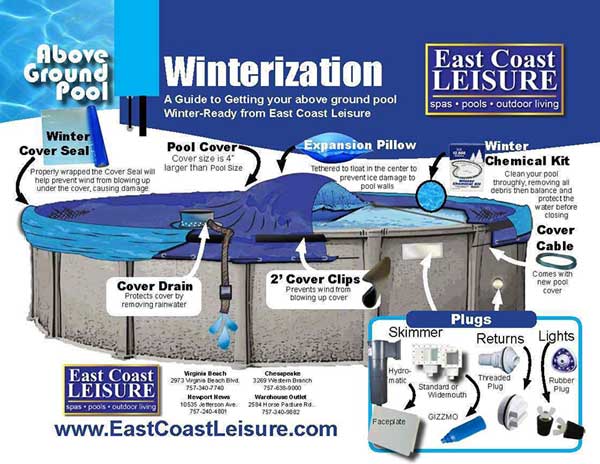
Now, for the equipment. Drain your filter, pump, and heater completely. Remove all drain plugs and store them in a safe place (a Ziploc bag taped to the pump is a good idea!). This prevents water from freezing inside and cracking the components. Disconnect and store any automatic cleaners or chlorinators. Consider giving your filter a good cleaning before storing it for the winter. This helps prevent the buildup of minerals and debris.
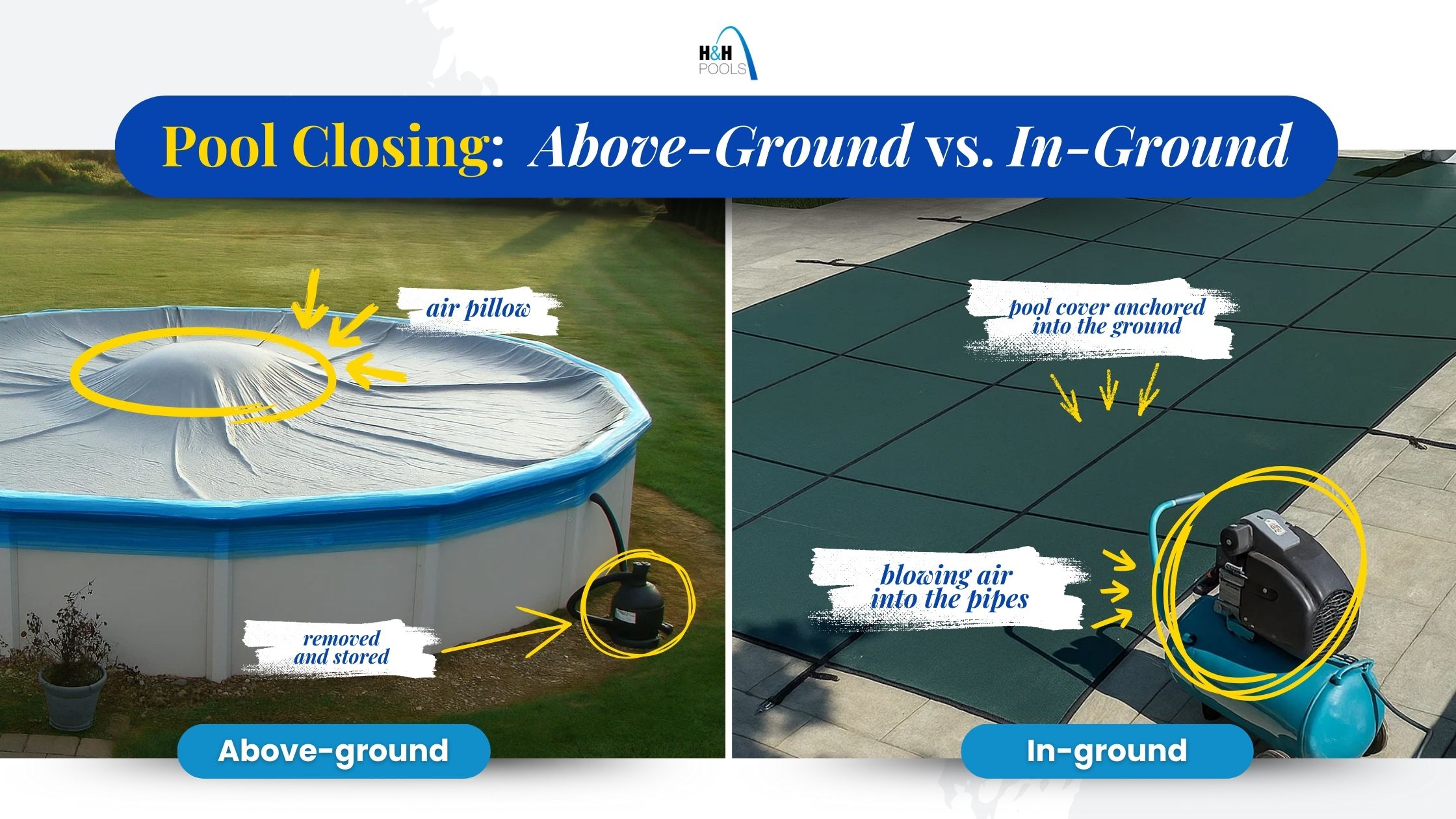
Finally, the cover. Choose a winter cover specifically designed for above ground pools. Make sure it's securely fastened with a cable and winch or other appropriate closure system. A good cover will keep out debris, sunlight, and even help prevent algae growth. There are even variations like leaf nets that you can put on first to make spring opening much easier.

Practical tip: Write down all the steps you take and any specific measurements or chemical readings. This will be a lifesaver next spring when you’re trying to remember what you did! Another great tip is to add a winterizing kit. These kits usually contain algaecide and other chemicals to help prevent algae and scale buildup over the winter.
Closing your above ground pool doesn't have to be a chore. Think of it as a responsible act of pool ownership that will pay off handsomely next summer. With a little effort now, you'll be back to swimming in a crystal-clear pool in no time. And who knows, maybe while you're at it, you can finally try that pumpkin spice latte you've been craving! Enjoy the satisfaction of a job well done and look forward to another season of poolside fun!