
How To Clear Kitchen Sink Clog
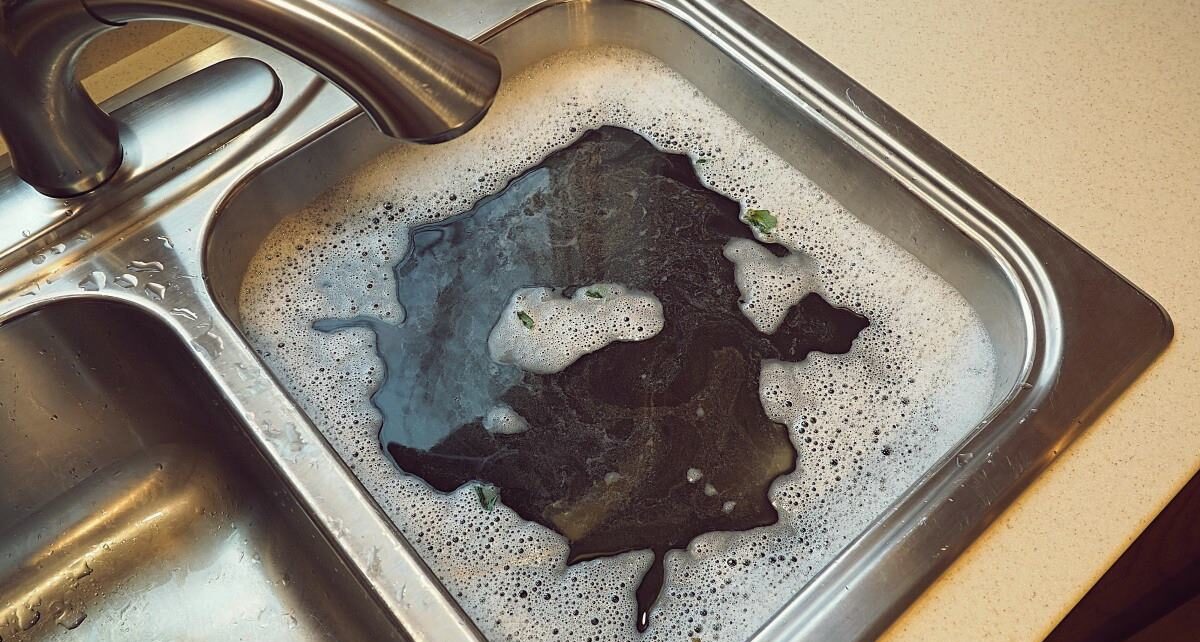
You know that feeling, right? You're cooking up a storm, perhaps a glorious pasta dish with extra sauce, or maybe you're just rinsing off a plate after a satisfying meal. You pull the plug on the sink, and instead of that satisfying swirl down the drain, you get... a slow, murky pool. A pond of your own making, complete with tiny food particles performing an unwanted ballet. And the water level? It's not going anywhere fast. Ugh.
That's exactly where I found myself last Tuesday, staring into the abyss of stagnant dishwater, muttering creative new swear words under my breath. My first thought, naturally, was to panic. My second was to blame the cat (because, why not?). But then, the rational part of my brain kicked in, and I remembered: this isn't some insurmountable plumbing mystery. This is a kitchen sink clog, and frankly, we've all been there. And guess what? You, my friend, can absolutely tackle it.
So, take a deep breath. No need to call in the cavalry (or a ridiculously expensive plumber) just yet. Let's walk through this together, shall we? You've got this.
Must Read
The Usual Suspects: Why Your Sink Is Stalling
Before we dive into the fix-it phase, let's briefly chat about the perpetrators. Most kitchen sink clogs are a nefarious mix of grease and food particles. Think about it: that bacon grease you poured down (don't lie, we've all done it once), the coffee grounds, the rice that didn't quite make it into the bin, pasta bits, vegetable peels. They all combine, cool down, solidify, and then BAM! A solid obstruction. Your kitchen drain is basically a sticky, oily, microscopic graveyard for your dinner.
Let's Get Unclogging! Your DIY Action Plan
Alright, enough lamenting. Time for action! We'll start with the easiest methods and work our way up. You might not even need to break out the heavy artillery.
1. The Hot Water Treatment: Your First Line of Defense
Sometimes, all it takes is a little heat. Especially if it's a fresh, greasy clog.
What to do:
- Remove any standing water from the sink with a cup or small bowl.
- Boil a kettle full of water.
- Carefully pour the boiling water directly down the drain. Pour it slowly, in stages, giving it a minute or two between pours. This allows the hot water to work its magic, melting and breaking down any grease.
Side note: If you have PVC pipes, very hot water can sometimes damage them. If you're unsure, just use hot tap water, not boiling.
2. The Baking Soda & Vinegar Volcano: A Kitchen Classic
Remember those science fair volcanoes? Well, your sink is about to become one (without the mess, hopefully!). This dynamic duo creates a chemical reaction that can help loosen lighter clogs.
What to do:
- Again, remove any standing water.
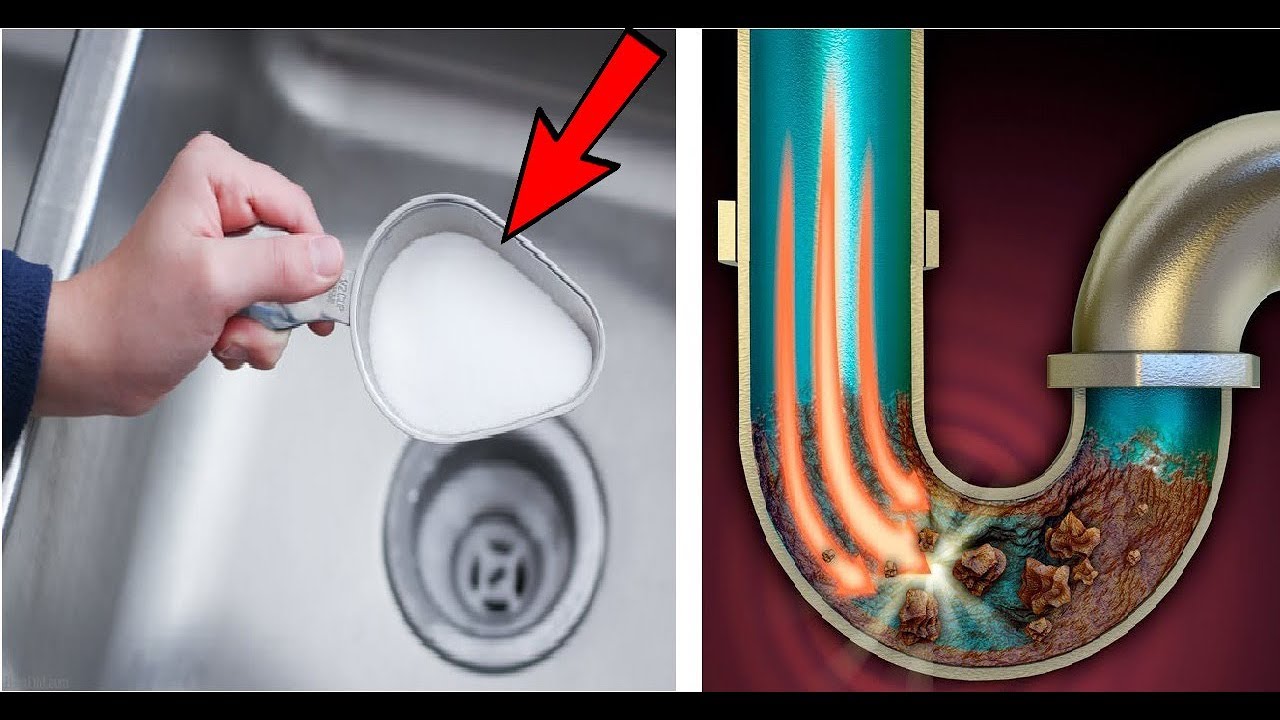
- Pour one cup of baking soda down the drain. Try to get as much as possible directly into the drain opening.
- Follow with one cup of white vinegar.
- Quickly plug the drain (a stopper or even a damp cloth works) to contain the reaction. You'll hear fizzing – that's good!
- Let it sit for at least 30 minutes to an hour. For really stubborn clogs, let it sit overnight.
- After the wait, flush the drain with a kettle of boiling hot water (or just hot tap water).
Pro tip: This also helps deodorize your drain. Two birds, one fizzy stone!
3. The Mighty Plunger: Embrace the Suction Power
When chemicals fail, brute force (of the suction variety) often prevails. Make sure you have a good sink plunger, not a toilet one (they're different for a reason, trust me).
What to do:
- Remove the sink strainer or stopper.
- Fill the sink with enough water to cover the bell of the plunger. This creates a good seal.
- If you have a double sink, you'll need to plug the other drain opening tightly with a stopper or a wet cloth. Otherwise, you'll just be pushing air back and forth.
- Place the plunger firmly over the clogged drain, creating a tight seal.
- Plunge vigorously up and down for about 20-30 seconds, maintaining the seal.
- On the final plunge, pull the plunger up sharply to break the seal.
- Did it work? If not, repeat a few times.
You might be surprised how effective a good plunging can be! It's like a mini workout for your arms.
4. Getting Down & Dirty: The P-Trap Clean-Out
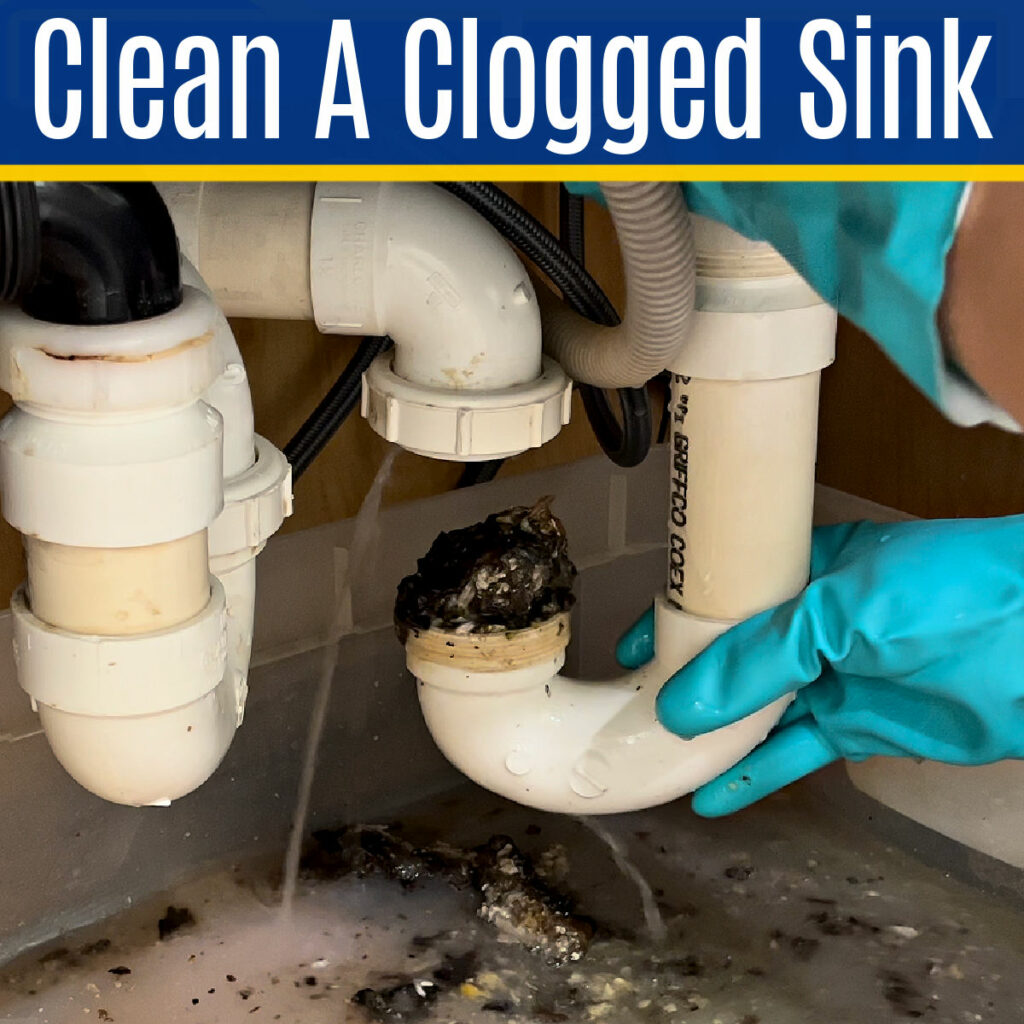
If the above methods haven't worked, the clog is probably chilling out in your P-trap – that U-shaped pipe directly under your sink. Don't worry, it's not as scary as it sounds.

What you'll need: A bucket, old towels, a wrench (or pliers), and gloves (optional, but recommended).
What to do:
- Place the bucket directly under the P-trap to catch any water and debris.
- Use your wrench or pliers to loosen the slip nuts on either end of the P-trap. Most are hand-tightened, so you might not even need tools.
- Carefully remove the P-trap. Prepare for some grossness!
- Clean out any gunk or debris inside the trap with your gloved hand or an old coat hanger.
- Rinse the trap thoroughly in another sink or outside.
- Reattach the P-trap, making sure the slip nuts are tightened firmly (but don't overtighten and crack anything!).
- Run hot water down the drain for a few minutes to check for leaks.
Congratulations, you've just performed minor plumbing surgery!
5. The Drain Snake: For the Truly Stubborn
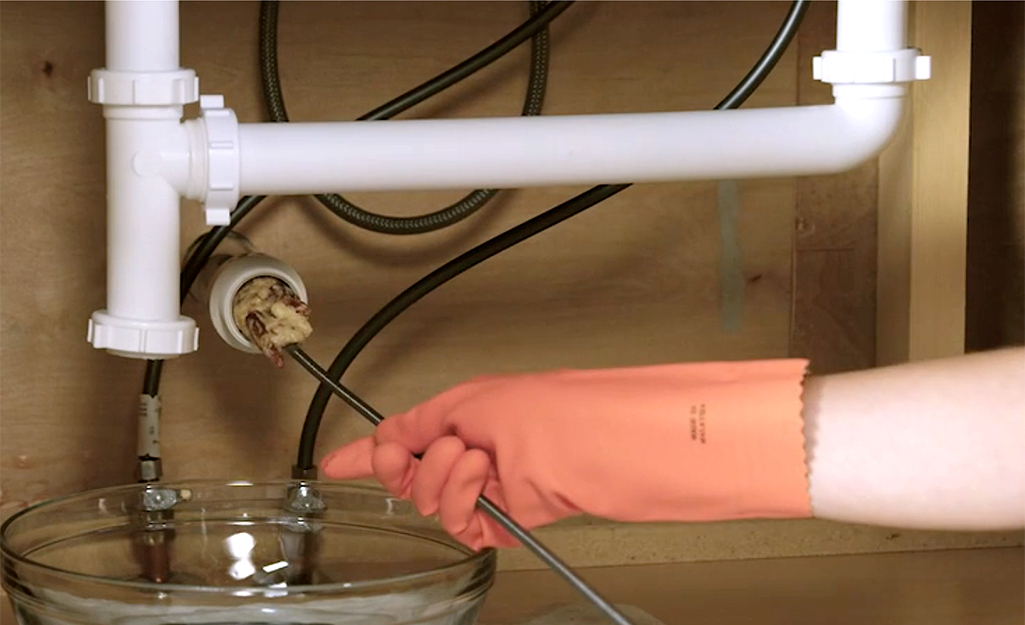
If the P-trap was clean, or if the clog is further down the pipe, it's time to bring out the drain snake (also called an auger). You can usually rent these or buy a cheap manual one at a hardware store.
What to do:
- Feed the snake into the drain opening, pushing it slowly until you meet resistance.
- Once you hit the clog, crank the handle (for manual snakes) or activate the motor (for electric ones) to break up the clog. You'll feel it grab onto the obstruction.
- Slowly pull the snake back out, hopefully bringing the offending gunk with it.
- Flush with hot water to ensure the drain is clear.
This method usually guarantees victory, but it does require a bit more effort.
A Quick Word on Chemical Drain Cleaners
You might be tempted by those harsh chemical drain cleaners. Resist the urge! They're often bad for your pipes, bad for the environment, and if they don't work, they leave a pool of toxic chemicals in your sink, making subsequent DIY efforts dangerous. Stick to the natural or mechanical methods first.
Prevention is Key, My Friend!
Once you've cleared that clog, let's try to keep it clear. Here are some simple habits:
- Use a drain strainer: Seriously, get one. It catches all those nasty bits before they go down.
- Scrape plates: Scrape all food scraps into the bin before rinsing.
- Avoid grease: Never pour grease or oil down the drain. Let it cool and solidify, then scoop it into the trash.
- Hot water flush: After doing dishes, run hot water for a minute to flush down any lingering grease.
And there you have it! From a simple boiling water flush to a full-on P-trap excavation, you now have the tools and knowledge to tackle that annoying kitchen sink clog. The next time your drain decides to stage a protest, you'll be ready. Go forth, unclog, and conquer!