How To Clean Water Supply Pipes In Your House
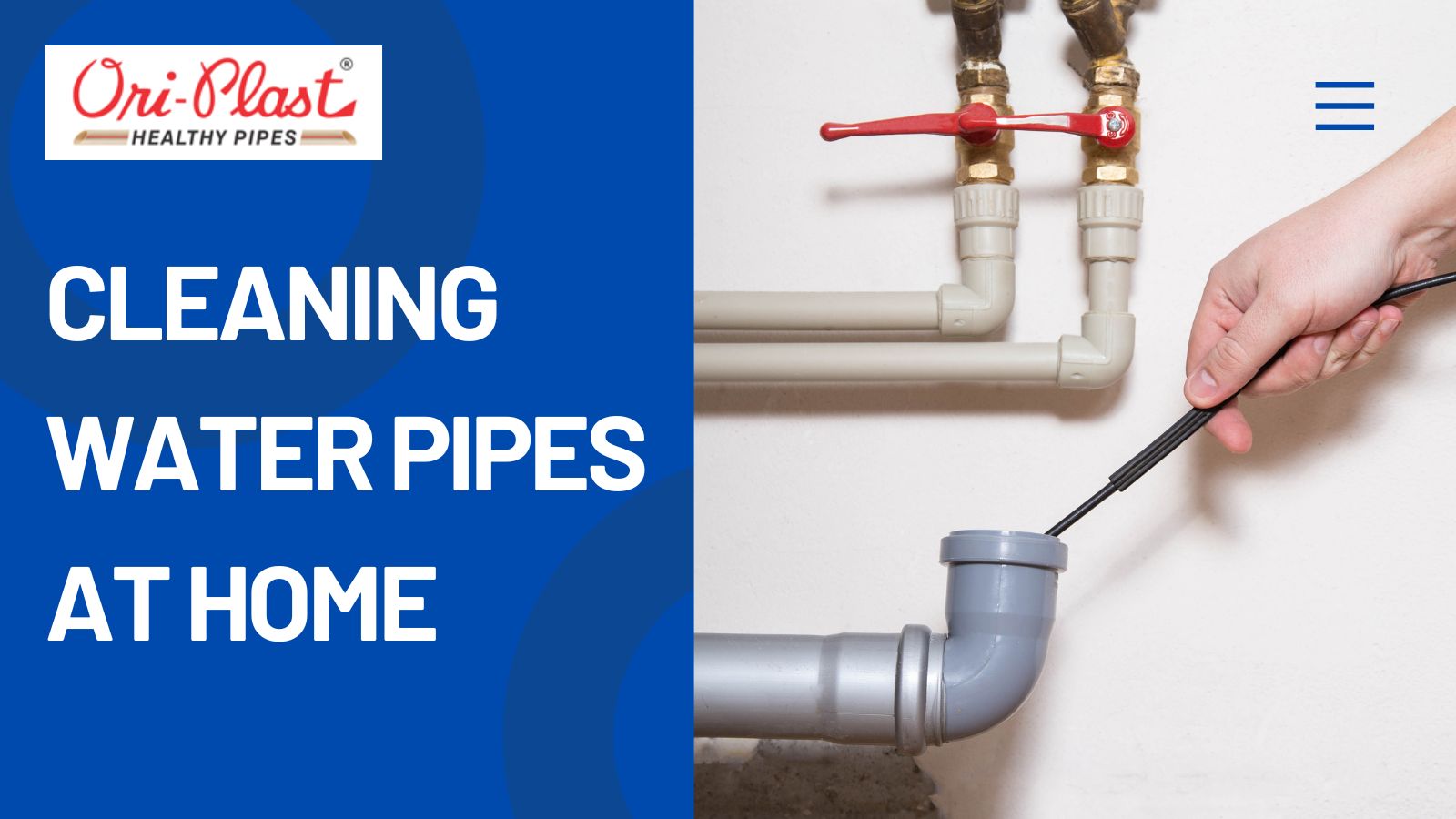
Ever turned on your tap and wondered where that water really comes from? Beyond the reservoir and treatment plants, there's a whole network of pipes bringing that H2O right to your kitchen sink. Over time, these pipes can accumulate sediment, mineral deposits, and even rust, impacting water quality and flow. But don't fret! Cleaning your home's water supply pipes is a manageable DIY project that can significantly improve your water experience.
Think of it like spring cleaning for your plumbing. Just as you wouldn't neglect dusting your bookshelves, you shouldn't ignore the silent workhorses delivering your daily dose of hydration.
Why Bother Cleaning Your Pipes?
The benefits extend beyond just aesthetics. Dirty pipes can:
Must Read
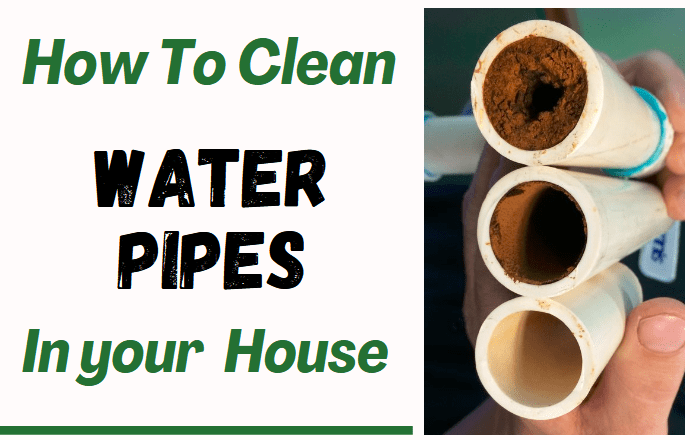
- Reduce water pressure: Mineral buildup narrows the pipe diameter, restricting water flow.
- Affect water taste and odor: Sediment and rust can impart unpleasant flavors and smells. No one wants water that tastes like metal!
- Damage appliances: Sediment can clog faucets, showerheads, and even shorten the lifespan of water-using appliances like washing machines and dishwashers.
- Potentially impact health: While municipal water is treated, buildup in pipes can harbor bacteria over time.
Basically, cleaner pipes equal cleaner, better-tasting water, improved appliance performance, and overall peace of mind. It's a win-win-win!
The Vinegar Flush: A Simple DIY Solution
One of the most effective and eco-friendly methods for cleaning water pipes is the vinegar flush. Vinegar, specifically white vinegar, is a natural descaler that can break down mineral deposits without harsh chemicals. It’s like the Marie Kondo of plumbing solutions – naturally effective and decluttering from the inside out.
:max_bytes(150000):strip_icc()/drain-your-homes-plumbing-system-1824885-color02-84ae330d3fce48bbbf7e59060a5c8153.png)
Here’s how to do it:
- Locate your main water shut-off valve. This is usually found where the main water line enters your house, often in the basement, garage, or near the water meter. Turn it off completely. Think of it as putting your plumbing on "pause."
- Drain the pipes. Open all the faucets in your house, both hot and cold, to drain the remaining water from the pipes. Don't forget outdoor faucets! This clears the way for the vinegar to work its magic.
- Introduce the vinegar. Locate your water heater. (Important: If you have an older water heater, consult a professional before proceeding.) Turn off the power or gas to the water heater. Disconnect the cold water inlet pipe and carefully pour several gallons of white vinegar directly into the water heater tank. The amount will vary depending on your tank size – aim for about 1/4 to 1/2 full of vinegar.
- Close the system. Reconnect the cold water inlet pipe to the water heater. Close all the faucets you opened earlier.
- Soak Time. Let the vinegar sit in the pipes for at least 3 hours, or preferably overnight. This allows the vinegar to effectively dissolve the mineral buildup. This is a great time to binge-watch your favorite show – think of it as a plumbing spa day!
- Flush the system. Turn the main water supply back on slowly. Open all the faucets again, one at a time, starting with the ones furthest from the water heater. Let the water run until it runs clear and the vinegar smell dissipates. This might take a while, so be patient. You’re essentially rinsing away all the grime.
Pro Tip: Consider removing and cleaning aerators from your faucets and showerheads during the flushing process. These often collect sediment and can significantly improve water flow once cleaned.
When to Call a Pro
While the vinegar flush is a great DIY solution, there are times when it’s best to call in a professional plumber:
- If you have lead pipes. Disturbing lead pipes can release lead particles into the water. A professional can safely assess the situation and recommend appropriate solutions.
- If you have severely corroded pipes. Attempting to clean severely corroded pipes can cause leaks or damage.
- If you are uncomfortable working with plumbing. It’s always better to be safe than sorry. A plumber has the expertise and tools to handle complex plumbing issues.
Knowing your limits is crucial. Think of it like knowing when to ask for directions on a road trip – sometimes, you just need an expert guide.
Beyond the Flush: Maintaining Clean Pipes
Prevention is key to keeping your pipes clean. Consider installing a whole-house water filter to remove sediment and impurities before they even enter your plumbing system. Regularly inspect your pipes for leaks or signs of corrosion. Fix any leaks promptly to prevent further damage and mineral buildup.

Regular maintenance is like flossing for your pipes - a little effort goes a long way in preventing bigger problems down the line.
Cleaning your water supply pipes isn't just about maintaining your home; it's about safeguarding your health and enhancing your daily life. Every sip of water, every shower, every load of laundry benefits from clean, clear water flowing through healthy pipes. By taking proactive steps to maintain your plumbing, you're investing in a more comfortable, efficient, and worry-free home.