How To Clean Battery Corrosion In Electronics
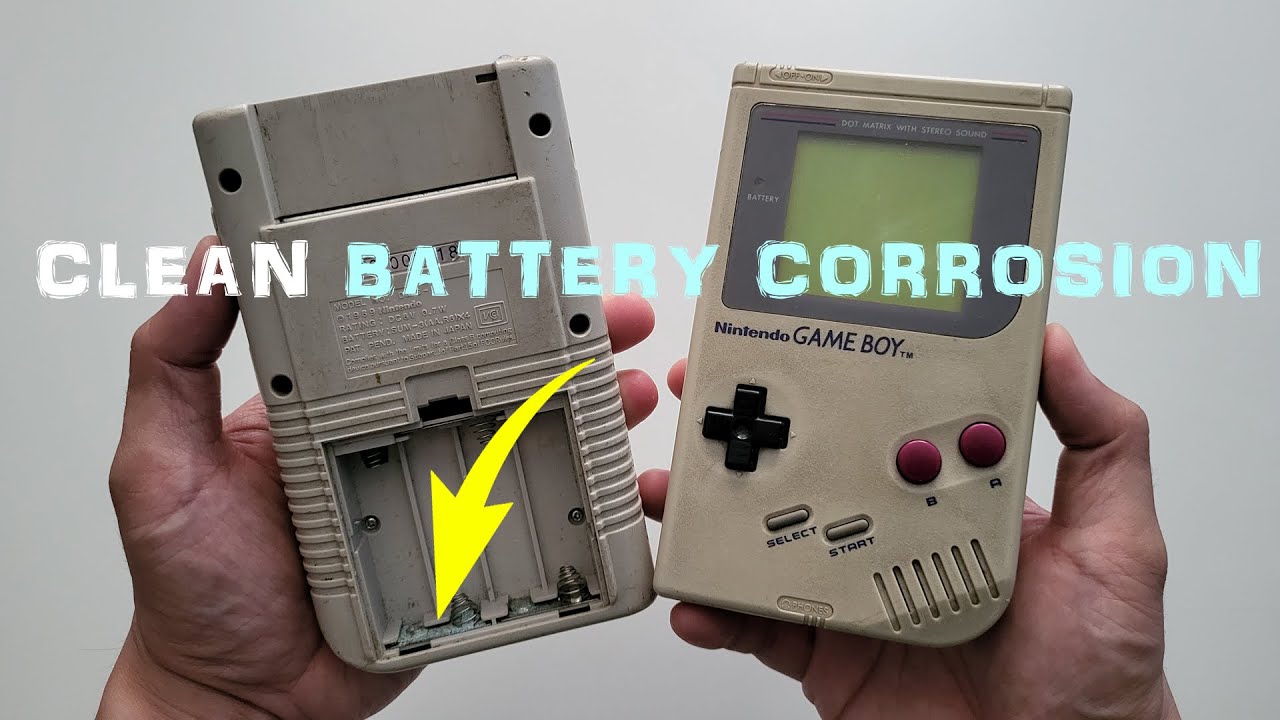
Remember that old Game Boy, dusty and forgotten in the attic? Or perhaps the vintage keyboard, yearning to belt out some synthwave melodies? Chances are, if they've been neglected for a while, they might be sporting a rather unwelcome guest: battery corrosion. This gunk, that green or white powdery substance, is the bane of every electronic enthusiast's existence. But fear not! Cleaning battery corrosion isn't some arcane art reserved for tech wizards. It's a surprisingly simple process that can breathe life back into your cherished gadgets, saving you money and opening up a world of creative possibilities.
For artists and hobbyists, reviving old electronics unlocks a treasure trove of inspiration and tools. Imagine a musician rediscovering a forgotten synthesizer with unique waveforms, ready to be sampled and woven into a new track. Think of a photographer bringing a vintage camera back to life, capturing images with a distinctive, retro aesthetic. Even for casual learners, the simple act of fixing something broken can be incredibly empowering, fostering a deeper understanding of how things work and sparking a passion for tinkering.
Consider the possibilities! A corroded voice recorder, once destined for the landfill, could become a source of bizarre and distorted soundscapes for an experimental musician. A damaged remote control, after a thorough cleaning, could be repurposed as a controller for a custom-built art installation. Or, for the more practically inclined, a restored calculator could simply save you from shelling out cash for a new one. The style of your project is limited only by your imagination! You could explore glitch art, lo-fi music production, or even create steampunk-inspired gadgets by incorporating rescued components into your designs.
Must Read
Ready to roll up your sleeves and get your hands dirty? Here are a few tips for tackling battery corrosion at home:
- Safety First! Always disconnect the power source and wear gloves and eye protection.
- Gather Your Supplies: You'll need white vinegar or lemon juice (a mild acid), cotton swabs, a toothbrush, and some baking soda.
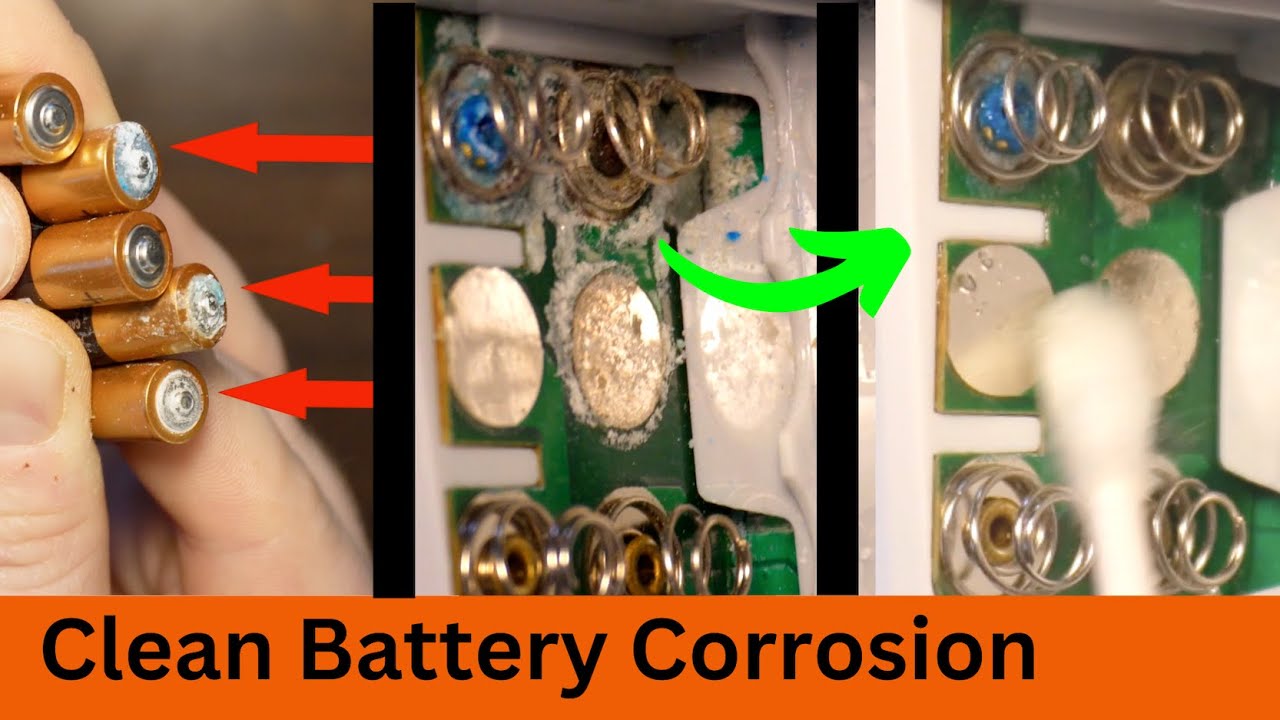
- Neutralize the Corrosion: Dip a cotton swab or toothbrush in vinegar or lemon juice and gently scrub the affected area. The acid will react with the corrosion, breaking it down.
- Baking Soda Rinse: After cleaning, neutralize the acid with a baking soda and water paste.
- Dry Thoroughly: Ensure everything is completely dry before reassembling and inserting new batteries. Use a hairdryer on a cool setting to speed up the process.
Cleaning battery corrosion might seem like a chore, but it's often a surprisingly rewarding experience. There's a unique satisfaction in resurrecting something that was once deemed unusable. It's a chance to exercise your problem-solving skills, learn about electronics, and maybe even discover a new passion. Plus, you're contributing to a more sustainable lifestyle by extending the life of your devices and reducing electronic waste. So, grab your tools, embrace the challenge, and prepare to be amazed at what you can achieve. You might just unlock a new creative outlet in the process!