
How To Check If Your Water Heater Is Working
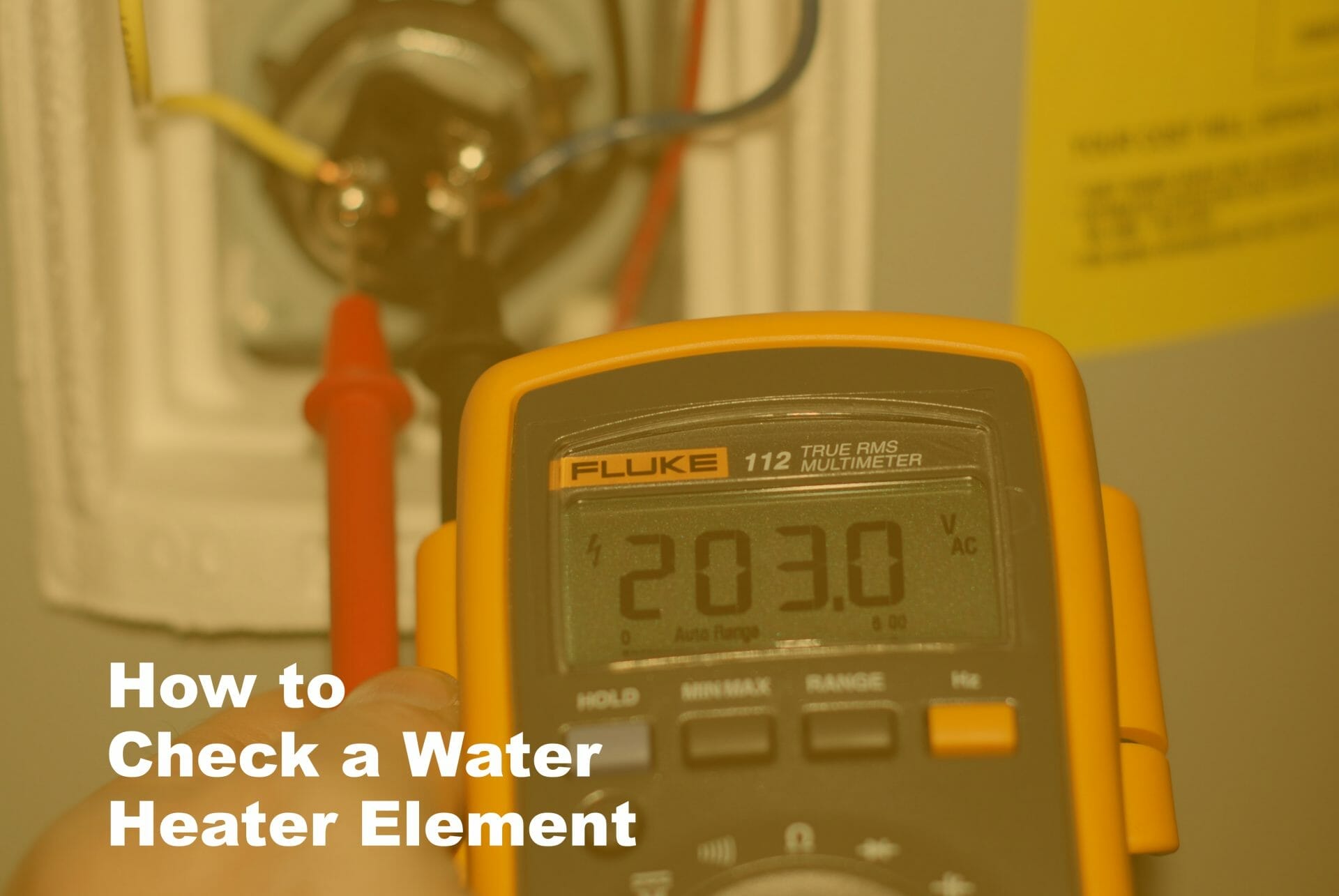
Let's talk about something we all rely on, often without a second thought: our water heater. It’s the unsung hero of comfortable showers, sparkling dishes, and even that occasional soothing foot soak after a long day.
But how do you know if this silent sentinel is actually pulling its weight?
The Warm Embrace (or Lack Thereof)
The most obvious sign is, of course, the shower. Turn on the hot water tap.
Must Read
Is it delivering the warm, comforting embrace you expect, or are you getting a chilly surprise that makes you question your life choices?
If it’s the latter, well, Houston, we have a problem, and it starts with water heater troubleshooting!
The Temperature Test
Let’s get a bit more scientific, shall we? Find a thermometer – a kitchen thermometer will do just fine.
Run the hot water tap in a sink closest to your water heater for about three minutes. Then, place the thermometer under the running water.
A properly functioning water heater should produce water around 120-140 degrees Fahrenheit (49-60 degrees Celsius).
Anything significantly lower? Your heater might be struggling, or perhaps the thermostat needs a little nudge.
The Touchy-Feely Approach
Carefully (and I stress carefully), touch the side of your water heater. Is it warm to the touch? It should be.
If it’s cold, even after running hot water for a while, that suggests a problem with the heating element or the insulation.
Think of it like giving a gentle hug to a large, metal friend. If your metal friend is giving you the cold shoulder, something's amiss.
Listen Closely: The Sounds of Silence (or Not)
A healthy water heater operates relatively quietly. But sometimes, it might try to tell you something.

Listen for gurgling, rumbling, or popping sounds. These noises can indicate sediment buildup, which reduces efficiency and can damage the tank.
Imagine your water heater is trying to sing you a sea shanty about its hard life dealing with mineral deposits. It’s not a pleasant concert.
The Sediment Serenade
Sediment buildup is a common culprit behind water heater woes. Over time, minerals in the water settle at the bottom of the tank, creating a layer of gunk that acts as an insulator.
This forces the heater to work harder and longer to heat the water, wasting energy and potentially shortening its lifespan.
Think of it like trying to cook a pizza on top of a pile of rocks. It’s going to take a while, and the results won’t be pretty.
The Visual Inspection: A Detective's Eye
Take a good look around your water heater. Examine the pipes and connections for any signs of leaks or corrosion.
Even a small drip can be a sign of a bigger problem brewing.
Imagine yourself as Sherlock Holmes, meticulously examining the scene for clues. A damp patch here, a bit of rust there – the game is afoot!
The Leak Lament
Leaks, even small ones, are a serious concern. They not only waste water but can also lead to water damage and mold growth.
If you spot any leaks, it’s best to call a qualified plumber to investigate and repair the problem.

Don’t let a tiny drip turn into a full-blown flood. Act fast!
The Pressure Relief Valve: A Safety Check
Every water heater has a pressure relief valve, usually located near the top of the tank. This valve is designed to release pressure if it builds up too high, preventing a potentially dangerous situation.
To test the valve, carefully lift the lever and let it snap back into place. A bit of water should discharge through the drainpipe.
If nothing happens, or if the valve continues to leak after you release the lever, it may need to be replaced. This is a safety feature, so don't ignore it!
The Age Factor: Time Marches On
Water heaters don't last forever. Most have a lifespan of around 8-12 years.
Check the manufacturer's label on your heater to find its age. If it's nearing the end of its life expectancy, it might be time to start thinking about a replacement.
Think of it like a loyal pet that has served you well for many years. Eventually, it’s time to let them retire gracefully and make way for a younger model.
The Replacement Revelation
Replacing a water heater can seem like a daunting task, but it's often more cost-effective in the long run than constantly repairing an aging unit.
Newer models are often more energy-efficient, which can save you money on your utility bills.
Plus, think of the joy of knowing that you'll have reliable hot water for years to come! It’s a small investment that can make a big difference in your daily life.
The Power Source: A Crucial Detail
Is your water heater electric or gas? This will affect the troubleshooting process.
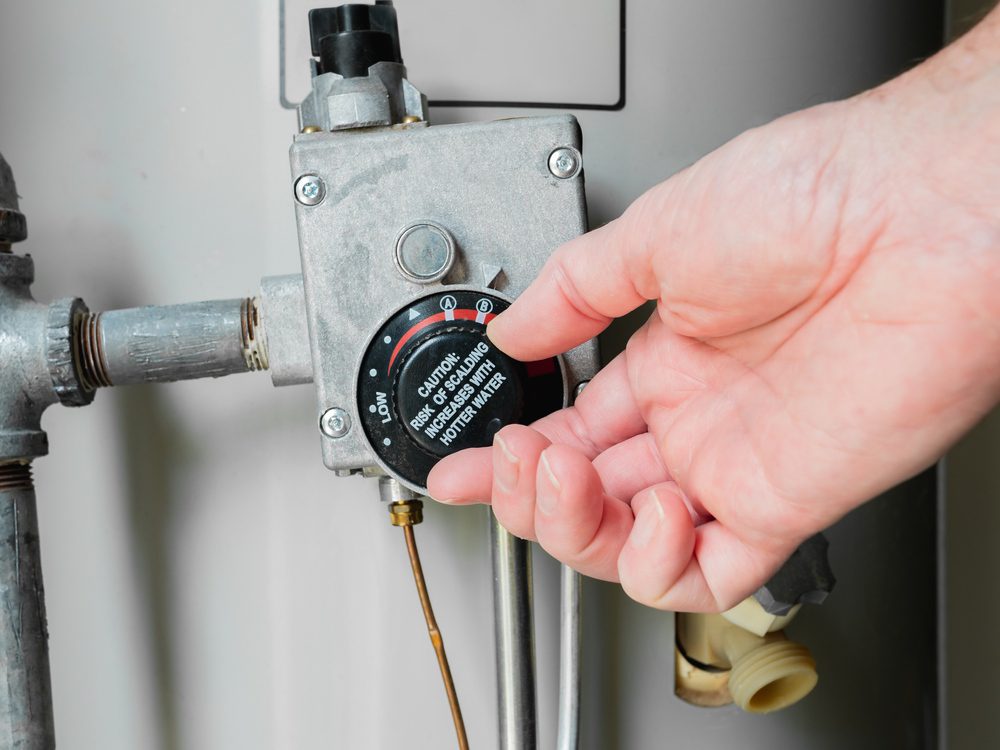
For electric heaters, check the circuit breaker. A tripped breaker could be the culprit behind your cold showers.
For gas heaters, ensure the pilot light is lit. If it's not, follow the manufacturer's instructions for relighting it.
Treat gas with respect, of course. If you're uncomfortable relighting the pilot light, call a qualified technician.
The Professional Touch: When to Call for Help
If you've tried these basic checks and your water heater is still acting up, it's time to call a professional plumber.
They have the expertise and equipment to diagnose and repair more complex problems.
Think of it like this: you can try to fix a leaky faucet yourself, but if the whole plumbing system is about to collapse, it's best to call in the cavalry!
The Plumber's Promise
A good plumber can not only fix your water heater but also offer advice on how to maintain it properly, preventing future problems.
They can also help you choose a new water heater if it's time for a replacement, ensuring that you get the right size and type for your needs.
Consider them your trusted advisor in the world of hot water. They are the guardians of your comfortable showers and sparkling dishes.
Prevention is Key: The Long-Term Game
Regular maintenance can help extend the life of your water heater and prevent costly repairs.

Flush the tank annually to remove sediment buildup. This simple task can make a big difference in its performance and longevity.
Think of it like giving your car a regular oil change. It keeps everything running smoothly and prevents major breakdowns down the road.
The Annual Affair: Flushing the Tank
Flushing the tank involves draining the water and removing the sediment that has accumulated at the bottom. It's a relatively easy process, but it can be a bit messy.
Follow the manufacturer's instructions carefully, and be sure to turn off the power or gas to the heater before you begin.
Consider it a yearly spa treatment for your water heater. It deserves it!
The Little Things Matter: Everyday Habits
Even small changes in your daily habits can help prolong the life of your water heater.
Avoid setting the temperature too high. Not only does it waste energy, but it can also increase the risk of scalding.
Consider installing low-flow showerheads and faucets to reduce water consumption. It’s good for the environment and your wallet!
In Conclusion: A Warm and Happy Home
Your water heater is more than just a metal tank tucked away in a closet or basement. It's a vital part of your home's comfort and well-being.
By taking a few simple steps to check its performance and maintain it properly, you can ensure that you'll have a reliable supply of hot water for years to come.
So, go forth and embrace the warmth! May your showers be steamy, your dishes sparkling, and your water heater happy and healthy. Remember, a little attention goes a long way in ensuring that your water heater remains a faithful servant, quietly providing the comfort and convenience you deserve.